Psychedelic therapy for veterans: Hope for NC heroes
North Carolina is buzzing with talk of innovative mental health solutions, especially as more veterans return home facing tough battles with PTSD and depression. The focus on psychedelic therapy for veterans is heating up, and it’s not just hype—it’s driven by hard science and real-life need. As national momentum builds, these therapies push to the forefront with local advocates, legal shifts, and eye-opening success stories.
Changing Attitudes: Regulatory and Social Shifts in Psychedelic Therapy for Veterans
Let’s be real, the war on drugs is fading, and a new chapter is emerging. State lawmakers are beginning to catch on to what grassroots organizations and veteran groups have been advocating for years—traditional mental health tools aren’t enough. According to Nature, psilocybin and MDMA continue moving through FDA trials, and at least five U.S. states are considering legal reforms for medical psychedelics. North Carolina, with its strong veteran community, is joining this movement. The VA is also re-evaluating policies following growing demand from organizations such as MAPS, while local advocacy networks are now hosting community town halls and testimonies to support new legislation. These shifts are happening alongside broader conversations about legalization and changing drug laws, which you can see reflected in developments like recent recreational marijuana legislation talks in other states. The stigma is lifting, and veterans have transitioned from being viewed solely as patients to being recognized as leaders for psychedelic therapy for veterans in policymaking and public opinion, as shared by the RAND Corporation.
Pivotal NH Developments: Psychedelic Therapy for Veterans in the Spotlight
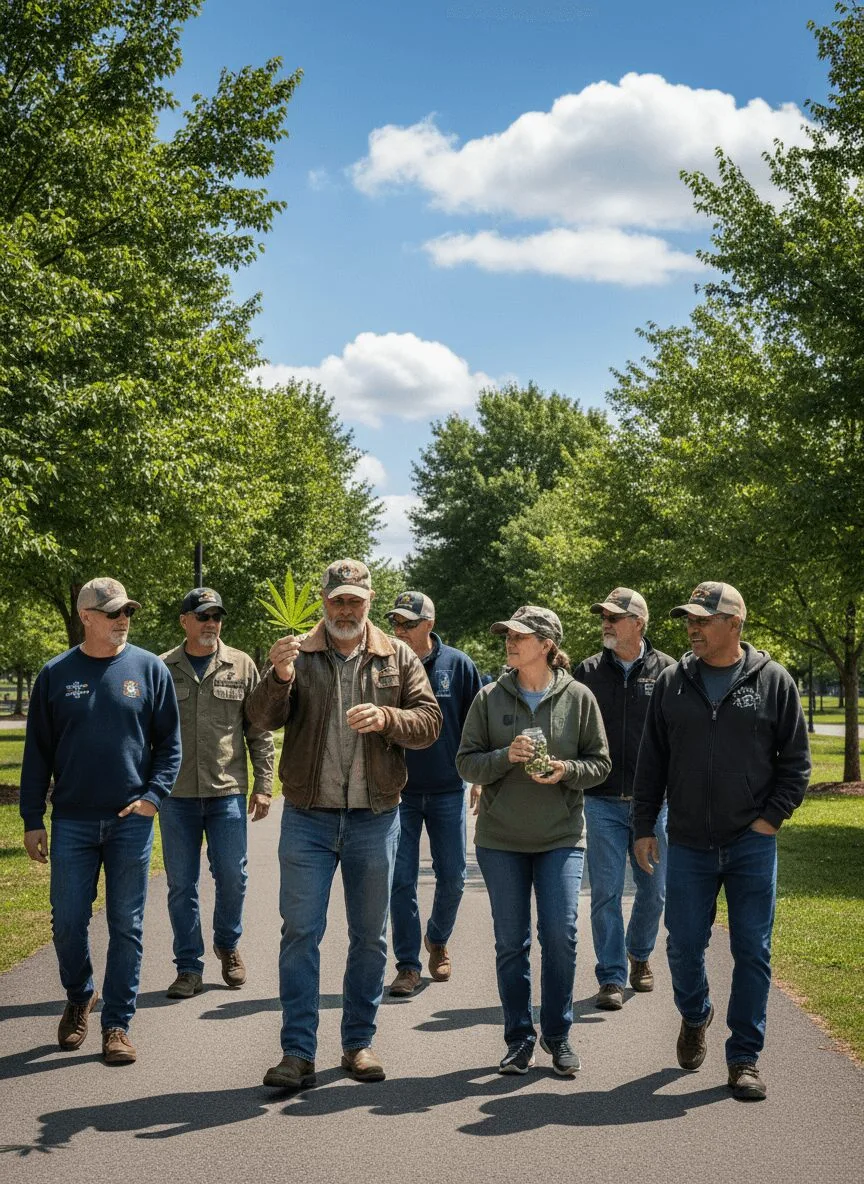
As reported here, North Carolina’s veteran mental health crisis extends beyond statistics into daily realities. Alarming PTSD and suicide rates have prompted swift action from local leaders. In late 2025, Rep. Davis and a bipartisan team introduced the North Carolina Healing Act to authorize psychedelic-assisted therapy clinical trials, including the use of psilocybin and MDMA—both now considered FDA breakthrough drugs. The bill gathered strong support from groups such as Heroic Hearts Project, which has linked hundreds of veterans to transformational psychedelic retreats. On the county level, initiatives in Mecklenburg and Wake counties are underwriting pilot programs and collecting essential data with UNC Chapel Hill’s medical research division. Headlines often cover powerful narratives like those of Army medic John M., who attributes his return to work to psilocybin microdosing—a topic that shares parallels with other community health debates, as seen when tragic events spark wider discussion on substance use and policy reform. Mainstream outlets like the Washington Post are now spotlighting these stories alongside ongoing local reporting.
Expert Perspectives: Cannabis Community Insights on Psychedelic Therapy for Veterans
The momentum behind psychedelic therapy for veterans isn’t just a trend—it’s supported by research and direct experience. According to Forbes, recent phase 3 MAPS trials found that over 60% of veteran participants achieved PTSD remission with MDMA-assisted therapy. This impressive result is no surprise to the cannabis community. Dr. Sue Sisley from Scottsdale Research Institute (source) states, “Veterans aren’t looking for pity; they want a shot at real healing. Psychedelics, like cannabis, offer hope mainstream medicine hasn’t delivered.” Peer-led support groups such as Veterans Exploring Treatment Solutions are facilitating regular integration sessions where veterans and clinicians connect with safe, evidence-based psychedelic therapy. These holistic programs emphasize meditation, nutrition, community, and plant medicine, which connects the dots between cannabis and wider therapeutic practices. Notably, conversations in these circles often broach nuanced legal issues—such as local changing policies—which you can also see reflected in recent updates about marijuana open container law reforms that affect both advocacy and access frameworks across state lines. The main takeaway: As the science advances, community support follows, especially with strong outcomes and transparent dialogue.
Looking Ahead: Cannabis, Psychedelics, and a Hopeful Future for Veterans
The push for psychedelic therapy for veterans feels less like a passing fad and more like a societal reset. As regulations soften and the industry matures, North Carolina is set to become a model for integrating cannabis and psychedelic options into veteran care. Industry projections—from New Frontier Data—show continued growth in medical and adult-use markets nationwide, with North Carolina primed for leadership. Community acceptance is growing: recent polls from Pew Research report over 60% of Americans support medical psychedelic research for PTSD. The bottom line? The future of veteran care is greener, more compassionate, and increasingly shaped by advocacy—and no one’s putting that genie back in the bottle. For veterans in North Carolina and beyond, psychedelic therapy for veterans represents a new kind of hope, built on evidence, community, and the stubborn optimism of everyone willing to fight for change.
Originally reported by: citizen-times.com