


Florida opioid funds marijuana ads: What really happened?
Florida opioid funds marijuana ads: this stunning headline is lighting up newsfeeds and group chats across the Sunshine State. Why is everyone talking about it? Because, just as the cannabis industry works to build legitimacy and safety for medical patients, Florida is doubling down on a decades-old anti-cannabis narrative—using millions earmarked for opioid crisis relief. With millions of Floridians affected by addiction or fighting for safe medical cannabis access, it’s no wonder this decision set the cannabis community—and public health advocates—buzzing. Today we’ll unpack what happened, why it matters, and what it means for the future of cannabis in Florida.
Regulatory and Social Context: Cannabis, Opioids, and Policy Clashes in Florida
To truly understand why the phrase Florida opioid funds marijuana ads has folks fired up, it’s worth exploring the legal and regulatory backdrop. Florida’s medical marijuana program serves more than 800,000 patients, and state-licensed dispensaries dot nearly every city, from Miami to Pensacola. Still, federal law hasn’t budged: cannabis remains a Schedule I drug, sitting shoulder-to-shoulder with heroin in the DEA’s books (DEA Drug Scheduling). Meanwhile, opioid settlement funds, money paid to states by Big Pharma for fueling the opioid epidemic, are meant to support treatment programs, rehab centers, mental health services, and harm reduction initiatives, according to the National Association of County and City Health Officials. With medicinal cannabis showing harm reduction potential and even reducing opioid deaths by some studies (NIH Research), Florida’s decision to funnel opioid settlement cash into anti-marijuana messaging is raising eyebrows in advocacy and medical quarters alike. This tension is mirrored in communities nationwide, as seen in the response to school anti-drug campaigns that focus on marijuana among youth, just like the recent Shocking School Drug Ring Bust that rocked a community and sparked renewed debate on preventative strategies.
Key Developments: How Florida Opioid Funds Marijuana Ads Became News
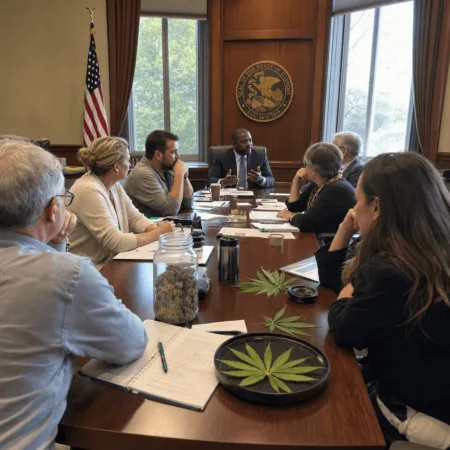
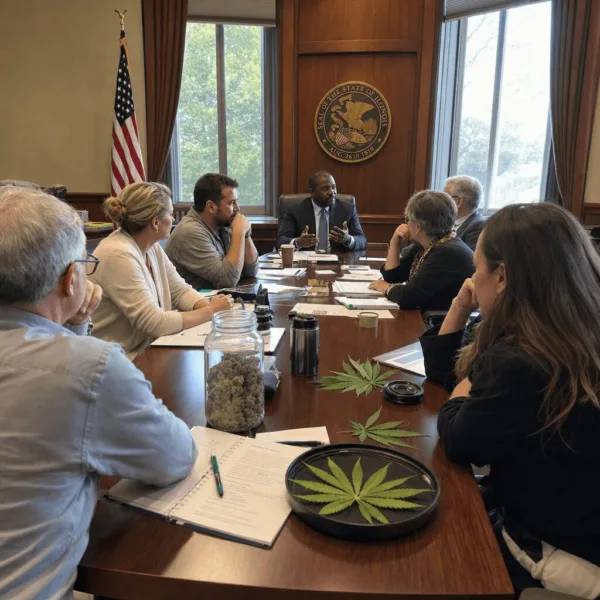
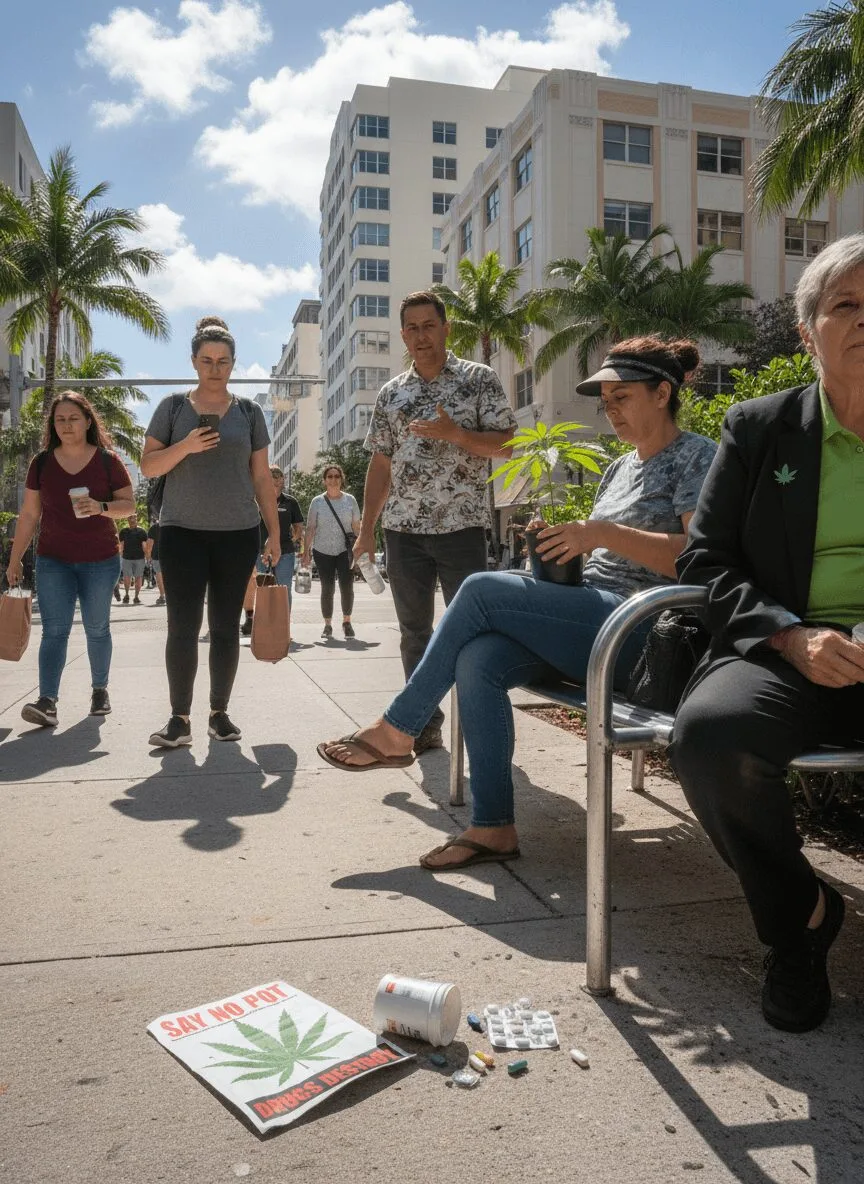
The drama began when the Orlando Sentinel revealed the state of Florida spent over $4 million from opioid settlement funds to bankroll a series of anti-marijuana ads. These ads, which began airing quietly in 2023, were produced by the Florida Department of Health. Notably, the state’s own opioid advisory council, set up to evaluate and recommend best use of these funds, was kept in the dark. As the Orlando Sentinel reported, council members only learned of the campaign through investigative journalism, not state transparency. The ads, which targeted residents through TV, radio, and online platforms, used images of green cannabis leaves and strong slogans warning against marijuana, ignoring current scientific research and real-world patient stories. Meanwhile, Florida’s legal cannabis market brought in tens of millions in tax revenue for the state, and advocates argue settlement funds could have been better spent on opioid addiction treatment or overdose prevention. The state maintained that these ads were meant to “prevent youth drug use,” but the timeline, lack of transparency, and use of opioid funds for anti-cannabis messaging ignited public debate and fierce criticism from across the spectrum. These types of state policy clashes are reminiscent of regional disputes about cannabis reform, like in Ohio’s ongoing local cannabis referendums where local governance over cannabis regulation is highly contested.
Expert Analysis, Industry Insight & Pro-Cannabis Response
Let’s be blunt: using opioid fund dollars to attack medical cannabis is an odd flex, especially with opioid deaths still ravaging Florida families. Industry analysts from Leafly note that states with robust medical cannabis access tend to see lower rates of opioid prescription overdose. As cannabis advocate and researcher Dr. Sue Sisley told Marijuana Moment: “Cannabis is a vital harm reduction tool, it never should be scapegoated in opioid policy discussions.” The state’s decision stands in sharp contrast with recent scientific reviews, which suggest responsible cannabis access can serve as an “opioid-exit” for chronic pain patients. Critics argue that these anti-marijuana ads promote outdated stoner stereotypes, rather than responding to evolving patient realities or the growing body of clinical evidence. Yet, this situation might open the door for a deeper conversation about how Florida—and other states—allocate opioid settlement resources, empowering both public health and patient choice. The ongoing debate about Florida opioid funds marijuana ads demonstrates the broader implications for legalization trends, strikingly similar to the insights presented in recent cannabis legalization studies shaping public discourse for the future.
What’s Next? The Future of Cannabis Advocacy in Florida
No matter what side of the “Florida opioid funds marijuana ads” debate you’re on, one thing is clear: the future of cannabis in Florida will be shaped by patients and advocates, not just politicians. This controversy spotlights how public perceptions of cannabis are changing—and why it’s crucial for policy to keep up with science and real-world need. As NORML and other advocacy groups push for evidence-based drug policy, Florida’s cannabis industry continues to grow, attracting new patients and investors each year. Change is in the air: with every questionable move by government agencies, more Floridians are waking up to the value of informed, fair cannabis policy. Stay tuned—the story’s far from over, and the cannabis community is just getting started.
Originally reported by: orlandosentinel.com