


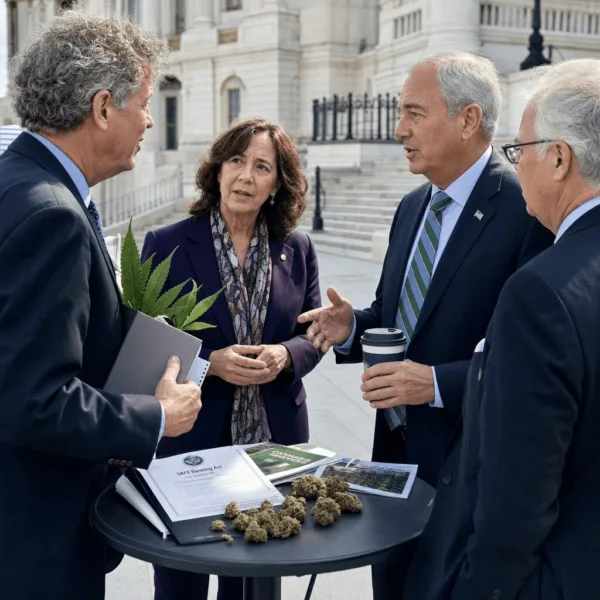



Cannabis Rescheduling Impact: What It Means for the Industry
The cannabis rescheduling impact is the hottest topic in legal weed right now. Between evolving state regulations and long-overdue federal policy shifts, the entire industry is holding its breath as rescheduling talks heat up. Cannabis operators, policymakers, and everyday advocates are all wondering: Will rescheduling finally bring stability to this rollercoaster sector? Let’s light up the details on what’s changing, why it matters, and what’s next for your favorite green industry.
Understanding the Landscape: Legal and Market Background
For decades, cannabis has existed in a regulatory twilight. While states like Michigan and Illinois have built booming legal markets, federal law still classifies cannabis as a Schedule I substance, alongside heroin and LSD. This legal limbo has kept banks on the sidelines, made tax deductions a nightmare, and kept compliance costs sky-high. According to the National Organization for the Reform of Marijuana Laws (NORML), federal prohibition also creates risks for consumers and patients, depriving many of access to regulated, safe products. The call for reform isn’t just about getting high, it’s about economic stability, public health, and social justice. How medical and recreational marijuana legalization is shaping the future continues to be relevant as more communities push for change. If you’re in the cannabis industry, you know the cannabis rescheduling impact has huge potential to shake up financing, partnerships, and even community perception. This isn’t just another policy debate, it’s a massive industry inflection point that’s been decades in the making.
Pivotal Moves: What’s Happening in Cannabis Rescheduling Right Now
Right now, the U.S. is staring down the barrel of its most significant federal cannabis move in a generation. According to a detailed op-ed from Crain’s Detroit Business, rescheduling cannabis from Schedule I to Schedule III is under active review. If approved, this will lift crushing tax burdens. Specifically, Section 280E of the IRS Tax Code currently punishes cannabis businesses by disallowing standard business deductions, but Schedule III status would allow operators to deduct wages, rent, and other expenses like normal businesses starting as soon as the next fiscal year.
Regulatory momentum began building in October 2022 when President Biden directed the Department of Health and Human Services (HHS) and the Department of Justice (DOJ) to review the plant’s classification. In August 2023, the HHS formally recommended the move to Schedule III, which the DOJ is now weighing. This policy shift would supercharge legal operators, reduce compliance headaches, and potentially usher in new investment waves. Oklahoma’s current debate around marijuana THC limits shows how state-level regulations can be impacted by federal changes.
Some companies, like Curaleaf and Green Thumb Industries, are already preparing for the possible fallout, updating compliance roadmaps and investor briefings. Across state and city governments, many see the cannabis rescheduling impact as a life raft for operators squeezed by illicit competition and razor-thin margins. Meanwhile, social justice advocates, according to Marijuana Policy Project, argue that anything short of full legalization still leaves too many people vulnerable to outdated laws.
Cannabis Rescheduling Impact: Real Industry Analysis & Insider Perspectives
Let’s get real, the cannabis rescheduling impact isn’t all sunshine and gummies, but it’s still the best news in ages. If Schedule III goes through, legal cannabis finally gets to leave behind its bootlegger stigma and play by the same business rules as everyone else. That means better banking relationships, fewer headaches at tax time, and maybe even lower prices for patients and adult-use consumers.
Industry insiders, like Forbes contributor Iris Dorbian, note: “The rescheduling of cannabis would have an immediate positive financial impact for plant-touching companies, especially multi-state operators, who have been heavily burdened by Section 280E.”
But let’s not sugarcoat it, rescheduling won’t automatically fix all that ails cannabis. Federal legalization is still a hill to climb, state-by-state patchworks will linger, and consumers must navigate local nuances. Legal and cultural challenges can be seen in states ranging from Wisconsin to Nebraska, as recent legislative pushes for broader cannabis reform in the Midwest demonstrate. Still, the overall mood is “cautiously optimistic.” Most experts, including those at the NORML, believe rescheduling is a crucial stepping stone toward broader legal reform. My take? This is the wind in our sails our industry desperately needs, so let’s keep advocating for progress.
Future Outlook: Lighting the Path Ahead
Looking forward, the cannabis rescheduling impact is set to drive industry growth and unlock new business possibilities. More mainstream companies may finally jump into the market, driving innovation and improving access. As Leafly’s policy team points out, rescheduling is a door—not a destination. But it’s a door the industry has been banging on for decades.
Social acceptance is at an all-time high, and lawmakers are finally reading the room. It’s no longer about if, but when full legalization will hit. In the meantime, rescheduling is a giant leap for market stability, justice, and patient care. So keep your eyes peeled and your lighters ready—the cannabis revolution is just getting started.
Originally reported by: crainsdetroit.com


1 Comment
Pingback: Cannabis Industry Cybersecurity: Protect Your Business Now