




Substance Legalization Lessons: What Cannabis, Alcohol & Tobacco Teach
If you care about the direction of substance regulation, now’s your moment to pay attention. From the rapid evolution of cannabis reform to the rich—and sometimes wild—history of tobacco and alcohol control, we’re seeing substance legalization lessons laid out in real time. Ongoing shifts in cannabis laws, fresh conversations around harm reduction, and big moves in state legislatures have made these topics both urgent and pivotal. In this deep dive, you’ll learn why these substance legalization lessons are shifting not just policies, but also perceptions and business landscapes across America.
The Big Picture: How Substance Legalization Lessons Shape Policy & Culture
The United States has a complex relationship with substances like cannabis, alcohol, and tobacco. Their journeys through the court of public opinion, and, yes, Congress, offer the definitive playbook for anyone interested in substance legalization lessons. Alcohol’s turbulent Prohibition era, tobacco’s fall after decades of rampant marketing, and cannabis’s steady move from prohibition to mainstream acceptance each bring important takeaways. According to CDC data, understanding social trends, health impacts, and regulatory history is essential for today’s lawmakers, entrepreneurs, and consumers. Each industry’s history surrounding youth access, public safety, health awareness, and tax policies is a goldmine of substance legalization lessons. Learning from past errors, such as the under-regulation of flavored tobacco or aggressive enforcement in cannabis, enables us to build better frameworks. An illustrative example is the ongoing debate and advancement of legislation in states such as Wisconsin, where recent recreational cannabis proposals draw directly from these policy reflections. Today, with billions at stake and public health under scrutiny, how we regulate substances shapes everything from equity to innovation.
Key Regulatory Shakeups: Cannabis, Tobacco & Alcohol in the Spotlight
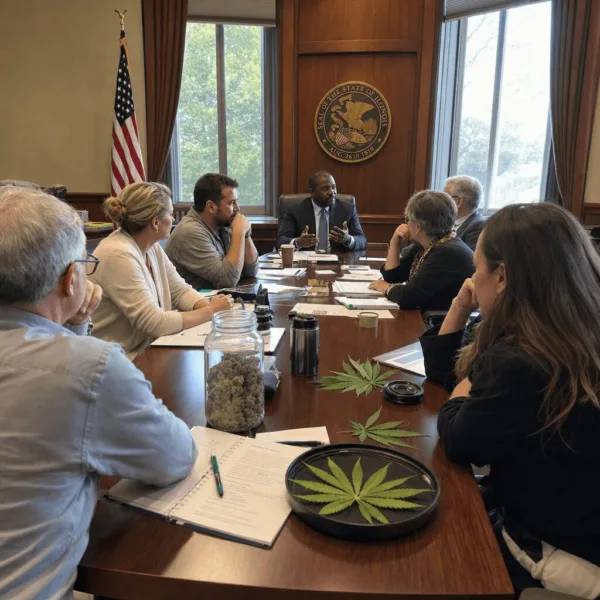
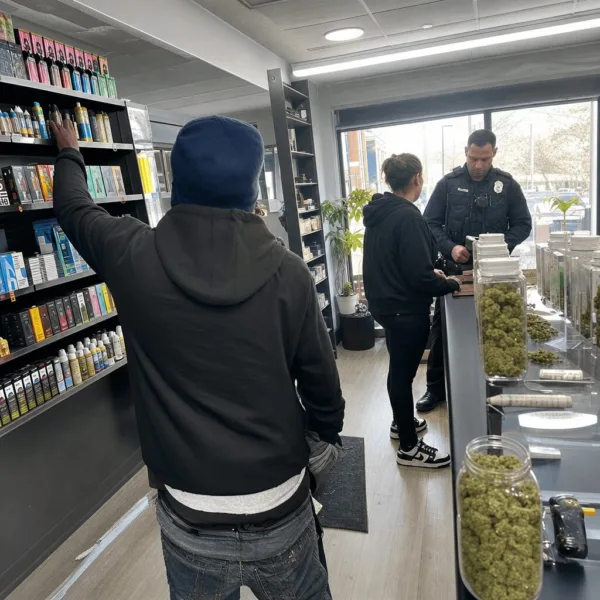
Let’s take a closer look at current developments. For cannabis, states like New York and Illinois have taken steps to establish robust adult-use laws focused on health and equity, as documented by Marijuana Moment. These rules are informed by substance legalization lessons carried over from alcohol’s licensing models and tobacco’s youth protection strategies. In the alcohol sector, regulators are preparing for new changes stemming from the rise in low-ABV options and nuanced impaired driving standards. The industry is quick to adapt, sidestepping missteps that impacted tobacco historically. When it comes to tobacco, since the FDA’s flavor ban discussions (source: FDA), efforts have increasingly focused on limiting youth access and combatting black-market products—concerns relevant across all tightly regulated substances. A notable illustration of regulatory challenges occurred in September 2023, when New York’s Office of Cannabis Management initiated a recall for certain products that did not meet potency or safety standards. The response echoed best practices adopted by other states facing contrasting challenges, such as Oklahoma’s recent medical marijuana shutdown, which highlighted the broader impact of regulatory shakeups and substance legalization lessons in action.
Expert Analysis: What the Cannabis Industry Can Learn, and Teach
Digging deeper, it’s clear why substance legalization lessons make a real difference, especially for the cannabis sector. Often, well-intentioned regulators repeat tobacco’s errors or overlook critical safeguards from alcohol policy. As John Hudak, senior policy expert at the Brookings Institution, shares: “Effective cannabis legalization draws heavily from the successes, and failures, of alcohol and tobacco policy. Mapping those lessons is key for lasting reform.” In practice, this means strong youth protection measures (a nod to tobacco lessons), rigorous and transparent supply chains (echoing alcohol), and candid public health communication (from all three sectors). Cannabis stands apart in its pursuit of real social equity, striving to redress harms created by prohibition. In this environment, forward-looking policies such as those considered for the 2026 wave of industry reform demonstrate how substance legalization lessons drive both innovation and community engagement. Key elements include advanced track-and-trace systems, stringent advertising oversight, and greater diversity among business owners, helping the cannabis space pioneer authenticity and transparency that other regulated industries aim to achieve.
The Road Ahead: Making Substance Legalization Lessons Work for Us
So, what’s next for anyone rooting for smarter substance laws? One thing’s clear: substance legalization lessons aren’t abstract—they actively shape communities, business models, and government priorities. The future of cannabis isn’t about chasing trends; it’s about learning from the real-world playbooks of alcohol and tobacco. We’re seeing increased consumer protections, better youth engagement strategies, and rising tax revenue pouring into vital programs—just check the latest NORML policy analysis for the numbers. With every successful launch, regulatory tweak, and honest dialogue, cannabis shifts closer to mainstream acceptance—and often with fewer missteps than its predecessors. Policy will keep evolving, but so will cannabis’s role as a model for future substance legalization lessons. To all the advocates, policymakers, and curious onlookers out there: stay tuned, stay smart, and keep sparking the conversation.
Originally reported by: astho.org

1 Comment
Pingback: Michigan cannabis dispensary security: Protect your shop now