






Michigan marijuana black market: Inside the enforcement struggle
It’s 2024, yet the Michigan marijuana black market is still stirring controversy in the mitten state. As legal weed shops pop up everywhere, the illicit trade refuses to roll over, sparking heated debate among authorities, consumers, and cannabis advocates alike. This showdown between underground hustle and official regulation matters now more than ever, with enforcement woes, legal loopholes, and social impacts colliding. Let’s unpack what’s happening, who’s involved, and why it affects every cannabis lover and skeptic keeping an eye on Michigan’s green future.
The Story So Far: Background & Context on Michigan’s Green Market
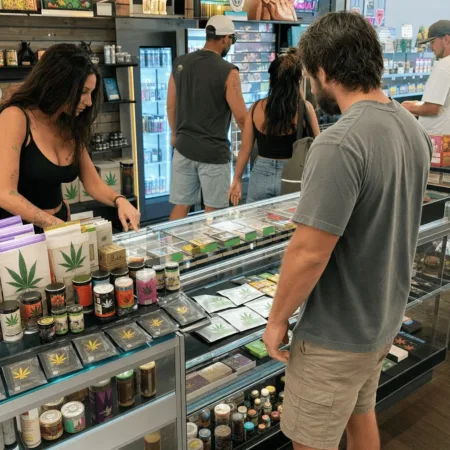
When Michigan went all-in on legal cannabis in 2018, the move was hailed as a victory for personal freedom and progressive drug policy. But even with broad voter support and retail shop openings, the Michigan marijuana black market didn’t simply vanish into smoke.
According to the Michigan Cannabis Regulatory Agency, the state’s approach includes stringent licensing, seed-to-sale tracking, and regular audits. Yet, these efforts are only half the battle. Consumers chasing lower prices and some cultivators sidestepping taxes keep demand strong for illicit products. A similar dynamic can be observed in other states as well, for example where medical marijuana tracking requirements help shape regulation and market evolution. Social stigma lingers, pushing uncertain buyers away from legal dispensaries. At the same time, rural areas have fewer licensed outlets, making unregulated alternatives especially tempting.
This friction between legal reforms and persistent underground supply has roots in decades of prohibition-era tactics, conflicting local laws, and the slow adaptation of law enforcement. As the National Organization for the Reform of Marijuana Laws (NORML) notes, patchwork local bans and gaps in regulation fuel confusion. The Michigan marijuana black market thrives in these gray zones, challenging regulators, police, and the cannabis community alike.
What’s Really Happening: Key Developments & Issues on the Ground
Fast forward to 2024, and Michigan’s law enforcement agencies find themselves locked in a lively wrestle with the state’s marijuana black market. As reported by Michigan State University’s Capital News Service, unlicensed dealers and growers have innovated with old-school stealth and new-age tech. Plainclothes officers, increasingly assigned to cannabis-related investigations, report being outpaced by the sheer scale and adaptability of illegal operators.
Specifically, the Michigan marijuana black market has recently surged due to high tax rates, regional shortages, and the glacial pace of new business licenses. In Lansing, for example, January 2024 saw three major raids on illicit grow houses, resulting in hundreds of pounds of untracked cannabis seized. Broader news coverage has highlighted how legal outcomes in cannabis trafficking cases can unexpectedly shift the landscape for enforcement and expectations. According to data from the Detroit News, over $1.2 billion in untaxed cannabis sales slipped through the cracks in 2023 alone.
Police officers admit it’s like whack-a-mole: when one illegal shop closes, another springs up down the block or shifts operations online. Legal growers voice frustration over unfair competition, while law enforcement scrambles to keep up with evolving black market tactics, limited budgets, and shifting legal priorities. It’s a wild time in the world of weed, and no one can deny Michigan’s marijuana landscape is undergoing radical change.
Expert Analysis & Insights: The Real Score from the Cannabis Front Lines
The ongoing presence of the Michigan marijuana black market isn’t just a policing headache, it’s a crucial case study in modern cannabis economics and regulation. Most industry veterans know: wherever there’s heavy demand and patchy supply, shadow markets hustle to fill the void.
“The illicit trade flourishes where the legal market can’t compete on price, accessibility, or education,” argues Leafly analyst Bruce Barcott, who’s tracked the national shift from prohibition to regulated sales (source). Legalization by itself is not a magic fix, it needs sensible taxes, local support, and community outreach to fully stamp out underground sales. For those interested in broader cannabis policy implications, understanding how legislation shapes enforcement and the legal market’s competitiveness is essential.
Industry insiders have called for smarter enforcement that targets high-level traffickers, not casual consumers. Many stress that simplifying the path to legal compliance could help small growers transition away from the black market. Shaleen Title, cannabis policy expert and former Massachusetts Cannabis Control Commissioner, sums it up best: “A healthy legal marketplace gives people real reasons to move away from the shadows, fair prices, safe products, and trust.” (Marijuana Moment)
Even law enforcement officials, like those interviewed by Michigan State University, admit the need for honest dialogue and creative policy solutions, not just round-the-clock raids. The Michigan marijuana black market is a byproduct of an evolving system, not an unsolvable crisis.
Future Outlook & Conclusion: Lighting Up the Path Ahead
Despite its stubborn presence, the Michigan marijuana black market is gradually losing ground to a more robust, transparent legal industry. Each regulatory fix, public education campaign, and new dispensary tips the scales in favor of law-abiding entrepreneurs and consumers. Federal reforms now lingering in Congress, if passed, could go a long way toward streamlining local markets and aligning state-federal rules (Cannabis Business Times).
Industry trends point to increasing professionalism, consumer safety, and social acceptance. Michigan’s cannabis scene isn’t perfect, but it’s evolving fast. Every setback offers lessons for smarter regulation and community partnership. The end goal: making the Michigan marijuana black market obsolete through opportunity and access, not fear. As the old-school cannabis community likes to say—legal, safe, and smart beats sneaky and stressful every time. Here’s to paving the way for a greener, fairer, and chiller Michigan weed future.
Originally reported by: news.jrn.msu.edu
1 Comment
Pingback: Kinston marijuana guns bust: Shocking raid details emerge