Alabama marijuana criminalization: What the new bill means
There’s a fresh storm brewing in the South as Alabama marijuana criminalization jumps into the headlines again. Lawmakers are tightening their stance with fresh legislation, even as the rest of the country marches toward reform. From rising arrests to heated town squares and headlines, the stakes are higher than ever. Let’s break down what’s happening, why it matters for Alabamians, and where this debate could go next.
Legal Backdrop: The Roots of Alabama Marijuana Criminalization
Alabama’s cannabis laws have always run on the tough side. While states from coast to coast roll out adult-use and medical programs, Alabama sticks to its legacy: strict criminal penalties, zero tolerance, and plenty of courtroom drama. As Marijuana Policy Project reports, possession of even a single joint gets treated as a criminal offense rather than an infraction. Discussions in Montgomery are often more about public order than pragmatic reform. This persistent approach also ignites broader discussion around how prohibition-related risks tie into the health and safety landscape, much like debates unpacked in rising cannabis health risk conversations within the industry.
With deep ties to conservative values and decades under federal prohibition, Alabama remains among a shrinking pool of states resisting the cannabis wave. Though a medical cannabis framework exists on paper, thanks to the 2021 Compassion Act, implementation has stalled, stymied by logistical and legal barriers. Meanwhile, according to NORML, even minor possessions bring jail time or lifelong records, disproportionately impacting communities of color. While attitudes among citizens are slowly evolving, lawmakers have doubled down, opting for control over compassion or commerce, at least for now.
Current News: What the New Alabama Marijuana Criminalization Bill Changes
The House’s recent move is making waves. On January 30, 2026, Alabama’s state legislature passed a new bill further ramping up marijuana criminalization despite vocal pushback from citizens and advocacy groups. As detailed in Alabama Political Reporter, this bill expands the definition of criminal marijuana use. It toughens penalties not just for possession, but also for repeat offenses and minor infractions considered non-criminal elsewhere. With heightened legal risks, businesses and local employers may need to brace for tighter compliance expectations, a topic echoed in cannabis workplace testing updates for 2026.
- Possession: Repeat possession charges will now lead to felony status, even for amounts under an ounce.
- Medical Patient Uncertainties: Alabama’s lagging medical cannabis rollout means legal gray areas remain for authorized patients, exposing them to arrest if found with unregistered products.
- Increased Policing: The law encourages law enforcement to conduct searches and arrests with broader latitude if marijuana use is suspected in public spaces.
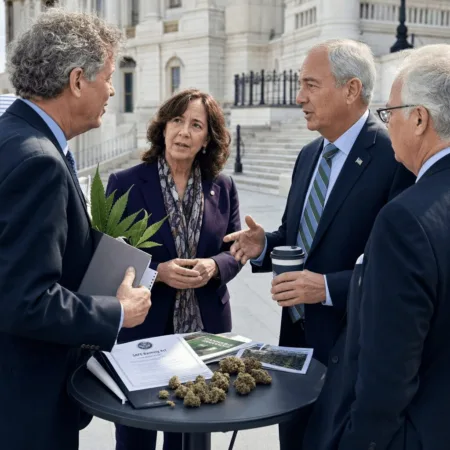
- Public Backlash: Despite public testimony and organized protests calling for decriminalization or at least leniency for personal use, lawmakers moved ahead. The bill passed with a vote split almost entirely along party lines.
This isn’t a hypothetical threat. According to NBC News, Alabama already sees thousands of marijuana arrests each year, most for minor possession. New measures threaten to push those numbers higher still, clogging courts and threatening to derail the lives of nonviolent offenders.
Expert Insights: Why This Move Spells Trouble (And What’s at Stake) in Alabama Marijuana Criminalization
For those watching Alabama marijuana criminalization trends, this moment feels like déjà vu and déjà gloom. “Alabama is among the last states clinging to the failed status quo,” says Karen O’Keefe, policy director at the Marijuana Policy Project. “It’s out of step with science, compassion, and the trajectory of the nation. These laws don’t deter use, they only criminalize ordinary people and overload our justice system.” Some experts also caution that as nearby states evolve, the policy gulf may become even starker, similar to policy changes in neighboring Mississippi now raising regional pressure. The industry’s reaction is clear: harsher penalties won’t stop consumption, but will stunt growth for legal businesses, medical research, and hemp farmers eying the regulated market. Critics note that with neighboring Mississippi and Georgia considering expansion of their own medical or CBD programs, Alabama’s approach risks making it an island of prohibition surrounded by an evolving landscape. High Times analysts and longstanding legal experts warn of increased taxpayer cost, disruptions to young lives, and mounting tension between public opinion (which increasingly favors reform) and legislative action.
Looking Forward: Hope, Resistance, and the Path to Reform
While this crackdown is a setback, Alabama marijuana criminalization is far from a closed chapter. The tide of reform isn’t reversing. Advocates, health professionals, and community leaders are doubling down on education, pushing lawmakers to balance enforcement with empathy. According to a recent Pew Research poll, over two-thirds of Americans—Southerners included—believe marijuana should be at least medically available.
If Alabama follows regional or national trends, future sessions could see bills introducing decriminalization, record expungement, or improved patient access. Even as the ink dries on these new rules, grassroots momentum isn’t giving up. The cannabis movement has always thrived on hope, hustle, and humanity—three things even the strictest laws can’t silence forever. Change comes slowly, but it does come. Stay tuned and stay motivated. The Alabama marijuana criminalization debate is just getting started.
Originally reported by: alreporter.com