Brazil medical cannabis legalization: What it means for patients
There’s a seismic shift happening in Brazil right now, and it’s got the cannabis world buzzing. With Brazil medical cannabis legalization taking center stage, both patients and advocates are finally seeing years of work pay off. From regulatory shakeups to new patient access rules, this milestone is reshaping healthcare, market opportunities, and even social attitudes across Latin America’s largest country. In this article, we cut through the haze and outline what the new law really means for everyone from everyday patients to business insiders.
The Road to Brazil Medical Cannabis Legalization: Background & Context
Brazil hasn’t always been friendly territory for the cannabis plant. For decades, prohibition, stigma, and patchwork laws held back medical research and patient access. But global tides have turned, with strong scientific evidence, grassroots advocacy, and growing success stories from places like Canada, Germany, and Israel all building momentum. Under Brazil’s old frameworks, only a handful of approved pharmaceuticals made it to patients after jumping through expensive, bureaucratic hoops. The real game changer? Brazilian Supreme Court debates and legislative pushes in 2023 and 2024, carrying the conversation around cannabis beyond medical use and into national headlines. Social factors matter too: As reported by Statista, Brazil sees some of Latin America’s highest demand for plant-based therapies. Public opinion has steadily shifted, driven by both patient groups and progressive medical professionals, eager to move beyond outdated stereotypes and offer science-backed care. As medical research challenges old assumptions, recent findings have shaken up what many thought they knew about medical cannabis effects, offering new hope for patients across Brazil.
Key Developments & Issues: Breaking Down Brazil’s Medical Cannabis Legalization
June 2024 marks a historic leap for Brazil medical cannabis legalization. The National Health Surveillance Agency (Anvisa) amended national policy to allow for legal domestic cultivation of medical cannabis for the first time, as confirmed by MJBizDaily. Key details include:
- Legal cultivation: Licensed companies and cooperatives can now grow cannabis for medical purposes in Brazil, ending the era of costly imports.
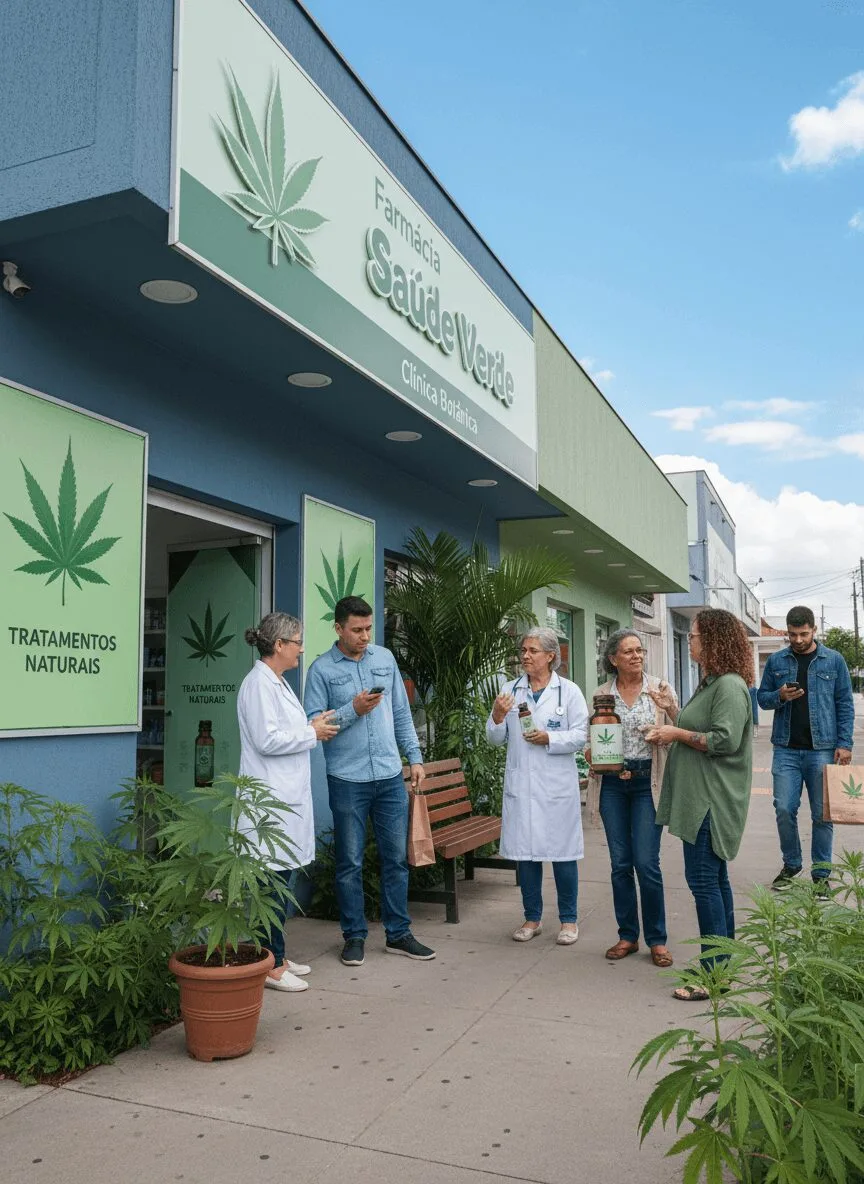
- Broadened patient access: Doctors are authorized to prescribe plant-based cannabis medicine for a wide range of medical conditions, with prescriptions dispensed at registered clinics and pharmacies.
- Simplified regulations: The new rules cut through years of red tape, making it feasible for more patients to receive effective, regulated treatments.
- Market growth: Top Brazilian firms like Ease Labs, Cannect, and OnixCann are set to ramp up cultivation and distribution under the new guidelines, according to Cannabiz Latam.
- Oversight: Anvisa maintains strict oversight of licensing and quality controls, with a transparent process for companies and patient cooperatives to enter the sector.
This regulatory update brings Brazil’s medical cannabis sector closer to those of other progressive nations. Industry watchers note that advocates spent years pushing these changes through Brazil’s Congress and Supreme Court, and the majority public opinion finally aligns with the move, according to polling results in Folha de S.Paulo. As regions worldwide adapt their cannabis regulations, similar grassroots momentum has shifted legal and healthcare landscapes elsewhere, as shown by recent developments in the United States.
Expert Analysis & Insights: Why Brazil Medical Cannabis Legalization Is a Big Deal
The recent overhaul isn’t just policy paperwork. It signals Brazil’s emergence as a powerhouse medical cannabis market, and a harbinger for other Latin American reforms. More accessible, affordable products will improve real patient outcomes for epilepsy, chronic pain, multiple sclerosis, and more, echoing global data cited by the Lancet. This regulatory progress also reflects a maturing public debate. As industry expert and physician Dr. Rafael Garcia puts it: “Brazil’s new approach is rooted in evidence and compassion. Legalizing domestic cultivation reduces costs, accelerates innovation, and inspires trust among patients. This is a watershed moment, not just for Brazil, but for all of Latin America.” (G1 Globo).
From an international trade perspective, this opens doors for cross-border partnerships and knowledge sharing, elevating standards across the region. Legal clarity for cultivators and distributors removes major investment roadblocks, as outlined in the New Frontier Data report. As discussions progress, new scientific perspectives continue to refine what medical cannabis offers—not just in Brazil but globally. In short, Brazil medical cannabis legalization is the sun breaking through decades of clouds for both patients and business visionaries.
Looking Ahead: The Future After Brazil Medical Cannabis Legalization
The future for Brazil looks greener—and I don’t just mean all the new plants sprouting up in the countryside. The Brazil medical cannabis legalization moment is about more than just medicine. It’s about setting a precedent for forward-thinking reform, both regionally and globally. National confidence in plant medicine is up. New players are entering the market every quarter. According to Cannabis Business Times, growth projections for Brazil’s medical cannabis industry over the next five years are unprecedented, with tens of thousands of new jobs expected and increased research opportunities ahead.
For advocates, patients, and entrepreneurs, the message is clear: The sky’s finally blue for medical cannabis in Brazil. While challenges remain—think further decriminalization and ensuring equitable access—the country’s progress stands as proof that science, advocacy, and community outlast prohibition. The road ahead promises innovation, safety, and a society where patients have the right to the best care possible. Brazil medical cannabis legalization is setting a new gold standard in the region, and the world is watching.
Originally reported by: mjbizdaily.com