


Let’s be real—mental health’s getting the spotlight it deserves, but a lot of folks are still confused about psychological support vs psychotherapy. With an explosion of cannabis wellness products, regulatory tweaks, and shifting public perception, sorting these two approaches matters more than ever. Knowing the actual differences can seriously impact how people choose the right path for healing and self-care. In this read, you’ll uncover what truly separates psychological support from psychotherapy, especially as it matters in today’s cannabis-friendly, rapidly evolving wellness landscape.
Background: Why the Separation Between Psychological Support vs Psychotherapy Matters
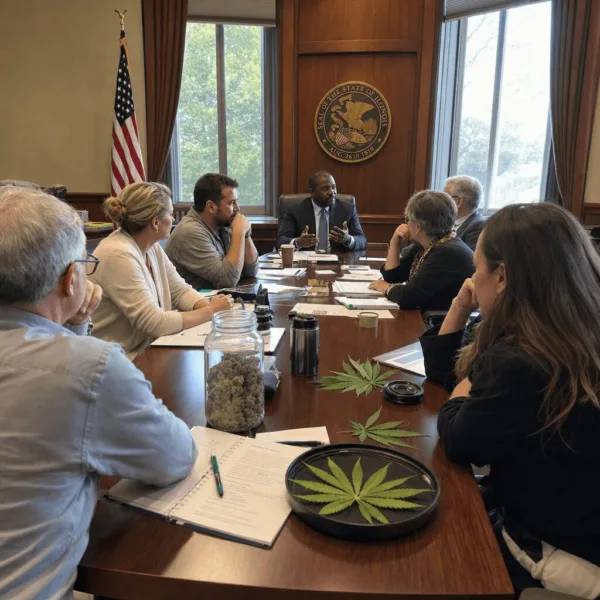
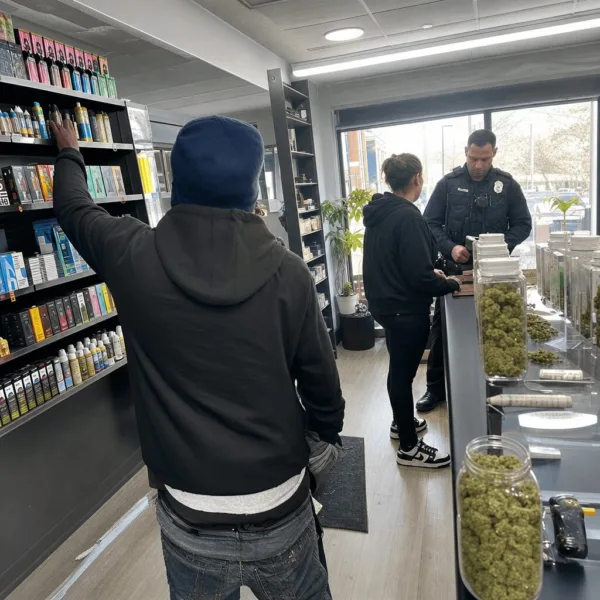
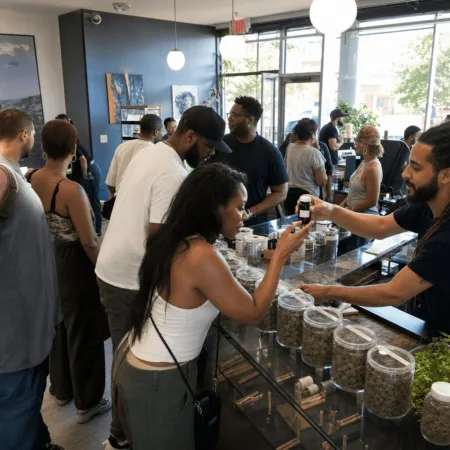
Here’s the deal, regulators, clinicians, and cannabis entrepreneurs are all grappling with new definitions. Recent reports from NCBI highlight a surge in people seeking support both formally and informally. Psychological support casts a wide net, for example, friends, peer allies, coaches, dispensary wellness staff, or even community circles. Psychotherapy, in contrast, is stricter, you need licensed clinicians and it’s governed by clear legal rules that can shift with state lines, especially as more states legalize cannabis for medicinal use. The cannabis industry, meanwhile, is becoming a bridge, with wellness advisors often trained in psychological support, while medical cannabis recommendations still require rigorous psychotherapeutic evaluation. The intersection of legal compliance, social stigma, and consumer demand makes this distinction essential, not just bureaucratic jargon. This is especially relevant given the impact of recent regulatory enforcement, like significant regional law enforcement actions that shake the cannabis sector, as demonstrated by events such as large-scale illegal cannabis busts in Monterey County. According to NIMH statistics, over 1 in 5 adults experienced mental illness in 2021, making clarity in mental health approaches more urgent than ever.
Key Developments: What’s Really Happening in the Field of Psychological Support vs Psychotherapy
Let’s talk actual movement. The recent article published in ScienceDirect highlights a major clarification in defining roles and expectations: psychological support is intentionally broad and inclusive, often non-clinical, and responds to social and wellness needs. Psychotherapy, on the other hand, sticks to evidence-based interventions, delivered by licensed professionals working under regulated ethical standards. This split matters for dispensaries and cannabis clinics, according to Leafly, clinics are adopting a two-track approach, keeping psychological support accessible while ensuring psychotherapy only comes from certified staff. Legal developments, like updated state statutes in Illinois and California, are requiring clearer disclosures for clients seeking cannabis for “mental wellness.” In practice, consumers can now seek help from peer counselors at cannabis shops and head to licensed therapists for in-depth psychotherapy. This transformation is reminiscent of broader consumer shifts—much like the explosion in cannabis beverage options is changing what people seek from their dispensaries, as seen with the recent surge in cannabis drink sales. This aims to both empower consumers and protect against misinformation, which regulators argue is increasingly crucial as the industry diversifies.
Expert Analysis: What the New Definitions Mean for Cannabis and Mental Health
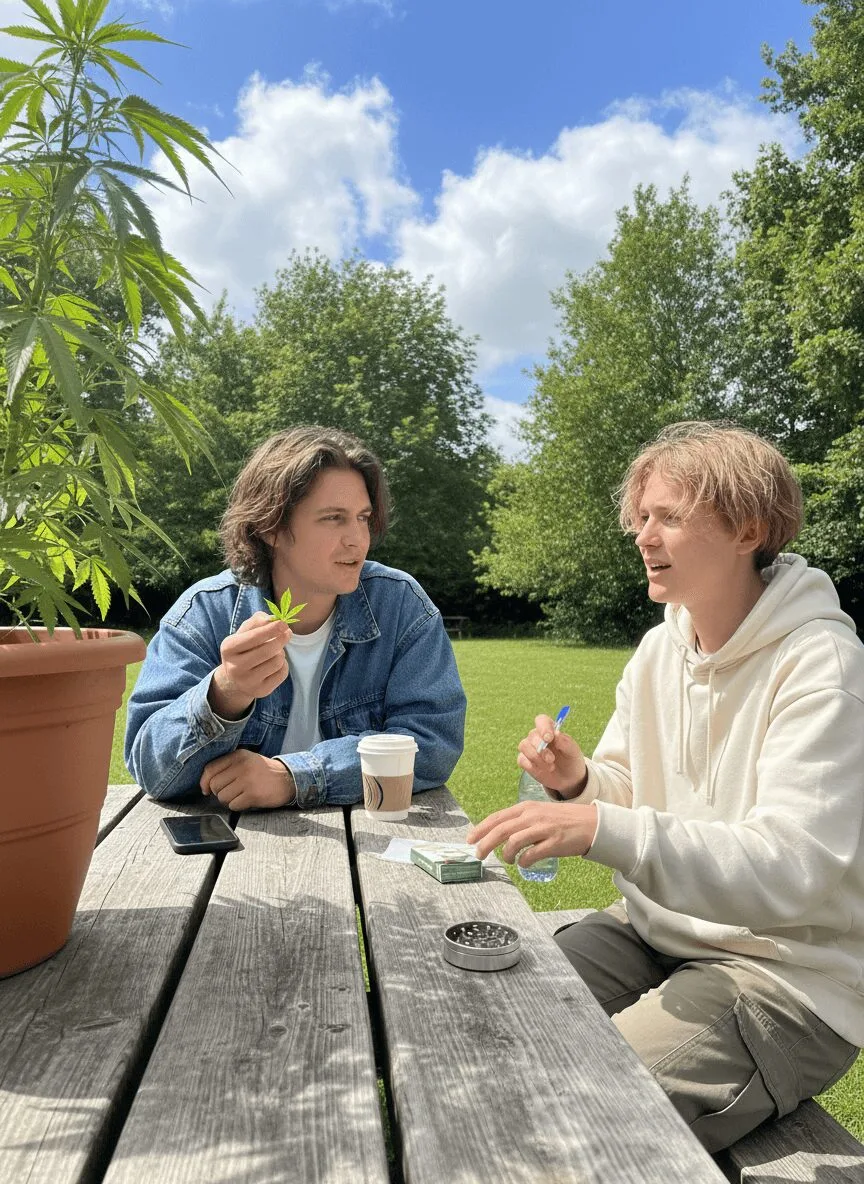
Here’s where it gets nuanced. The distinction between psychological support vs psychotherapy affects access, consumer safety, and social acceptance of cannabis as a wellness tool. As Dr. Michelle Ross, neuroscientist and cannabis advocate notes: “Trained peer supporters can play a huge role in early intervention, but the line between support and real clinical treatment has to be respected, both for safety and for legit progress.” Industry experts agree this separation creates better patient pathways and keeps the cannabis sector above board. Offering both types of care in regulated environments can destigmatize cannabis use, encourage safer disclosures, and help more people get the support they truly need. Thoughtful state laws, based on real science and consumer feedback, advance the industry out of gray zones and into mainstream acceptance. Dual support models also help prevent vulnerable patients from being exploited with quick-fix promises, an issue that echoes community preparedness themes—much like how coordinated efforts during emergencies, such as those seen in Lynchburg’s recent winter storm, foster stronger consumer trust and resilience as demand for cannabis grows.
Future Outlook: Building a Smarter, More Inclusive Wellness Culture
Looking ahead, clear boundaries between psychological support vs psychotherapy will keep empowering people seeking cannabis and mental health help. As legal standards catch up with consumer expectations, we’re likely to see even more professionalization in both fields—meanwhile, stigma keeps dropping. Expect to see cannabis advisors working hand-in-hand with therapists in dispensaries, plus more state-funded education on mental health. The best thing? Transparency and credible, science-backed practices become the industry norm. As industry reporting from MJBizDaily shows, social acceptance and trusted clinical norms are the keys to unlocking the full healing power of the cannabis revolution. In this landscape, everyone—patients, providers, and even advocates—wins.
Originally reported by: sciencedirect.com

1 Comment
Pingback: Psychological Support vs Psychotherapy: Key Differences Revealed