





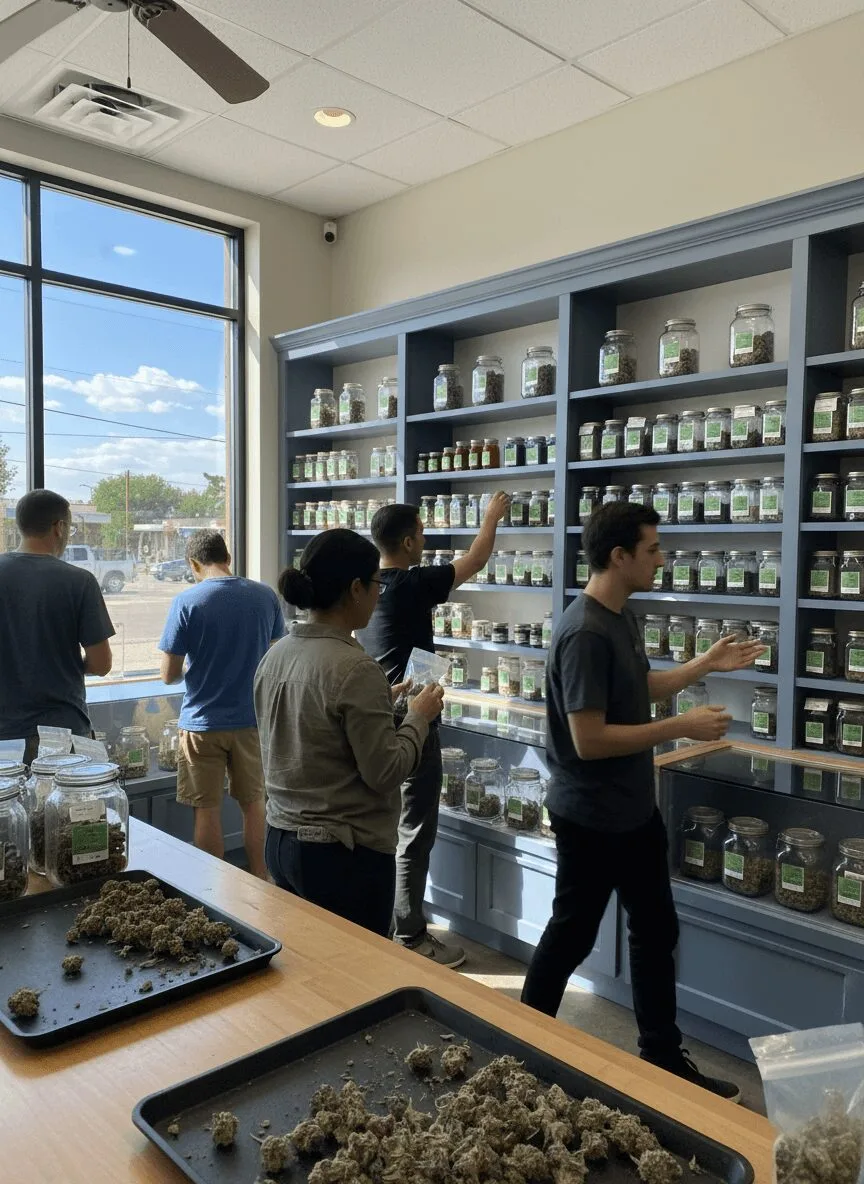
Colorado cannabis recalls: What Every Dispensary Shopper Must Know
With cannabis sales booming across Colorado, recent recalls have shaken the dispensary scene and left shoppers seeking answers. If you’re grabbing your usual from a favorite spot or just window-shopping, there’s no escaping the buzz around Colorado cannabis recalls in the headlines. This isn’t just about what ended up on the shelves—it’s about how transparency, regulation, and trust are evolving together. In this deep dive, we’ll unpack the background, the latest developments, expert insights, and what comes next for anyone passionate about cannabis in the Centennial State.
Understanding the Regulatory Landscape Behind Colorado Cannabis Recalls
Colorado’s cannabis industry operates under some of the country’s strictest regulations, thanks to comprehensive frameworks laid out by the Colorado Department of Revenue Marijuana Enforcement Division. The state was a pioneer in legalizing recreational cannabis back in 2012, which invited intense scrutiny from health officials, law enforcement, and the community. Producers and retailers are subject to regular inspections, mandatory testing, and rigorous compliance audits, aimed at safeguarding consumers and protecting product integrity. According to NORML, this regulatory rigor is one reason why Colorado is often regarded as the gold standard for legal cannabis. Social attitudes in Colorado, meanwhile, overwhelmingly support consumer safety while recognizing the economic and cultural value of a thriving cannabis sector. As the market grows, the state’s recall protocols—shaped by lessons from both the cannabis and food sectors—become even more pivotal for maintaining public confidence. For comparison, recent concerns over illicit networks targeting regulated markets highlight the challenges regulators face as seen in cases like the activity surrounding cannabis farms in Oklahoma.
Latest Colorado Cannabis Recalls: What Actually Happened?
In recent weeks, Colorado experienced a wave of cannabis product recalls impacting over 275 dispensaries—a development first reported by Westword. According to official advisories from the Marijuana Enforcement Division (MED), at least four new recalls were triggered by product testing that detected potentially unsafe levels of contaminants, primarily mold, yeast, and aspergillus. Key companies named in these recalls include both small-scale cultivators and large producers, underscoring the reach of quality-control challenges even in a mature state market. On specific dates in late May and early June, MED issued public safety announcements (most recently on June 5), instructing dispensaries to immediately quarantine and remove affected batches from shelves. The medical and recreational products flagged for recall ranged from flower and pre-rolls to various infused goods. Colorado’s Department of Public Health and Environment has also been closely involved, assisting in rapid notification and consumer guidance. Dispensaries have responded swiftly, reaching out to customers who purchased impacted products and offering instructions for safe disposal or return. These actions highlight not only the responsiveness of state agencies but also an increasing expectation of transparency from cannabis retailers everywhere. Such efforts around product safety echo the debates seen when significant drug seizures sparked community discussion on legal and illicit substance use, like in the Fond du Lac region.
Expert Analysis & The Bigger Picture: What Do Colorado Cannabis Recalls Mean in Today’s Market?
The recent Colorado cannabis recalls illustrate industry maturity more than failure. “A recall in a regulated market, while disruptive, actually shows the system working as intended,” notes Dr. Amanda Reiman, a policy expert referenced by MJBizDaily. She adds, “For consumers, recalls are a sign of accountability, something that’s far less visible in illicit markets.” The swift and transparent handling of recalls spotlights the evolution of safety standards in legal cannabis. In reality, many recalls arise from advancing testing capabilities rather than gross negligence. As cultivators, labs, and retailers compete, the pressure to exceed basic compliance grows, but so do the costs and logistical hurdles. Nonetheless, consumers now enjoy unprecedented access to batch data and lab reports, which wasn’t the norm only a few years ago. Industry advocates point to expanding third-party verification systems and digital track-and-trace as positive trends. As Leafly industry analysis demonstrates, the intersection of transparency and public health is fast becoming the “new normal” for U.S. cannabis. These developments parallel shifts in medical cannabis education, showing that transparency and advocacy can drive positive change just as real stories fuel ongoing education within healthcare systems.
Looking Forward: Lessons, Optimism, and the Resilient Spirit of Colorado Cannabis
It’s easy to get discouraged when headlines about Colorado cannabis recalls pop up, but this moment actually highlights the system’s resilience and the community’s commitment to safety. Regulators, retailers, and advocates are working to make recalls less frequent and more manageable, while consumers become savvier about product origins and labelling. With proactive adjustments and increased transparency, recalls are likely to become both rarer and less disruptive over time. According to Benzinga, ongoing regulatory improvements and consumer education are paving the way for smarter, safer cannabis uptake statewide. As the industry evolves, look for new standards, smarter technology, and an ever-closer relationship between ethical producers and empowered consumers. Colorado cannabis recalls may grab the spotlight today—but tomorrow, they’ll be proof of an industry willing to learn, adapt, and thrive in the face of challenges. Stay thoughtful, stay curious, and trust that the green future is already blooming brighter in the Rockies.
Originally reported by: westword.com
1 Comment
Pingback: Inside the Psychedelic Mushroom Church: The Untold Story