


Shocking Oklahoma dispensary closure: Tulsa shop shut down
The Oklahoma dispensary closure story dominating headlines highlights just how dynamic—and sometimes unstable—the Sooner State’s cannabis marketplace can be. With an unexpected shutdown in Tulsa, regulators, consumers, and industry insiders are all asking tough questions. Why did this happen? What does it mean for Oklahoma’s thousands of registered patients? Let’s break down the situation, spotlight the facts, and look ahead at what this closure might signal for local businesses and cannabis culture in Oklahoma.
Understanding Oklahoma’s Cannabis Landscape: Regulation, Realities, and Culture
Since Oklahoma pushed into the medical cannabis game in 2018, the state has earned a reputation for having some of the most open laws west of the Mississippi. Getting a license? Easier than scoring a parking spot at Tulsa’s Gathering Place. But while the market exploded with dispensaries—over 2,000 as of late 2023, according to OMMA—that same freedom has also brought new waves of regulation. Lawmakers have ramped up enforcement and compliance, addressing concerns that mirror industry shake-ups seen in other states, such as recent debates over hemp regulation in Pennsylvania. Communities are embracing cannabis, but fear of rogue operators persists, fueling periodic crackdowns. The state continues to walk a fine line, striving for safety without stifling the entrepreneurial spirit that’s shaped Oklahoma’s cannabis boom. In this environment, news of an Oklahoma dispensary closure isn’t just another footnote, it’s a shot across the bow, reflecting deeper market and regulatory frictions.
Tulsa Dispensary Shuttered: What Really Happened?
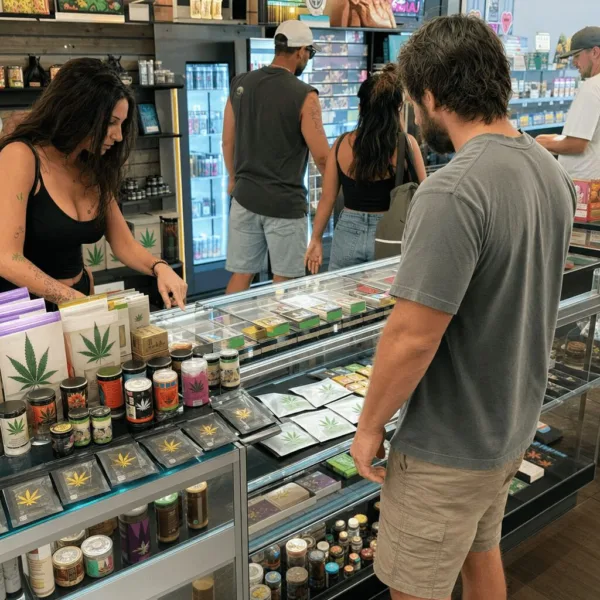
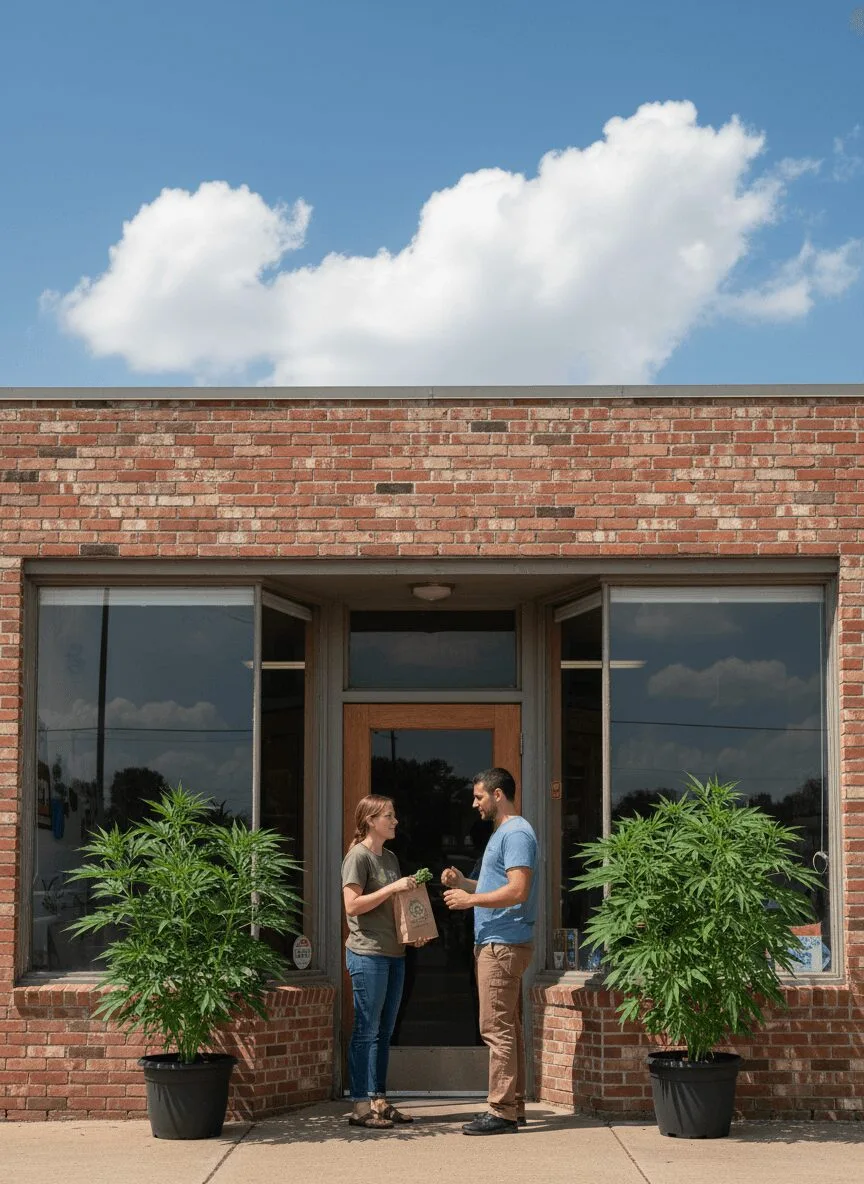
This week, regulators ordered a Tulsa-based cannabis dispensary, Lavender House, to halt all operations, part of a high-profile Oklahoma dispensary closure. According to News On 6, officials cited licensing irregularities after a routine audit triggered further inspection. The Oklahoma Medical Marijuana Authority (OMMA) confirmed that as of June 2024, the shop’s license was inactive, meaning legally, customers shouldn’t be served and plants shouldn’t leave the building. The closure happened quickly, with state authorities posting official shutdown notices on the storefront and ordering staff to cease all sales. Community reactions ranged from confused regulars at the counter to rival dispensaries eyeing a potential boost in walk-ins. Though specifics remain confidential under state investigation policies, OMMA assured the public that such enforcement is designed to protect patients—ensuring every shop follows stringent licensing laws, worker training standards, and quality protocols. Regulators’ approach, seen in Oklahoma dispensary closure events and echoed by industry experts tracking stories like Connecticut medical marijuana dispensary actions in 2024, aims to reinforce public trust and industry stability.
Expert Take: Why This Oklahoma Dispensary Closure Matters
While closures make waves, they also underscore the maturity of Oklahoma’s market. As industry analyst Sarah Lee of MJBizDaily observes, “Every robust cannabis industry must evolve beyond the Wild West stage. Accountable, transparent enforcement, when done thoughtfully, can actually build trust and attract responsible investors.” This particular Oklahoma dispensary closure highlights how clinics must meet evolving compliance standards or risk losing their spot in a crowded, competitive scene. The closure also signals regulators’ determination to ensure only legitimate operators serve Oklahomans. Even seasoned local growers and advocacy groups, such as OK Cannabis Collective, maintain that keeping patients safe means zero tolerance for paperwork shortcuts. That shift from gold rush chaos to a more professional, resilient sector reflects changes also influencing national debates—similar to the congressional conversations on CBD and hemp coverage. If Oklahoma wants to be a national model, consistent enforcement, even when it stings, is part of the growing pains.
Looking Ahead: Lessons from Tulsa and Oklahoma’s Cannabis Future
While the latest Oklahoma dispensary closure in Tulsa stings for locals and loyal customers, it could be a catalyst for positive change. Each closure inspires better compliance, more transparent operations, and stronger patient protections. As the cannabis industry matures nationwide, Oklahoma stands at a crossroads: balance opportunity with safety, keep the door open for innovation, and protect communities. Industry sources like Leafly highlight how even in the face of setbacks, trends are pointing toward increased regulation and professionalization—the building blocks of full legalization and wider acceptance. For advocates, setbacks are just high hurdles on a longer track. One thing’s for sure: the Oklahoma dispensary closure scene keeps evolving, and resilient cannabis culture will always find a way forward.
Originally reported by: newson6.com

1 Comment
Pingback: Cleveland marijuana tax revenue: See How Much the City Gained