




Massachusetts’ cannabis market is booming, but regulations like the marijuana zoning buffer Massachusetts are taking center stage right now. With more dispensaries eyeing expansion and cities reevaluating local zoning, understanding these buffer rules is critical for anyone interested in how legal weed is shaping communities across the Commonwealth. This article unpacks the latest legal news, local controversies, and industry insights, clarifying how buffer zones impact business, social life, and neighborhood vibes.
What is the Marijuana Zoning Buffer Massachusetts and Why Does It Exist?
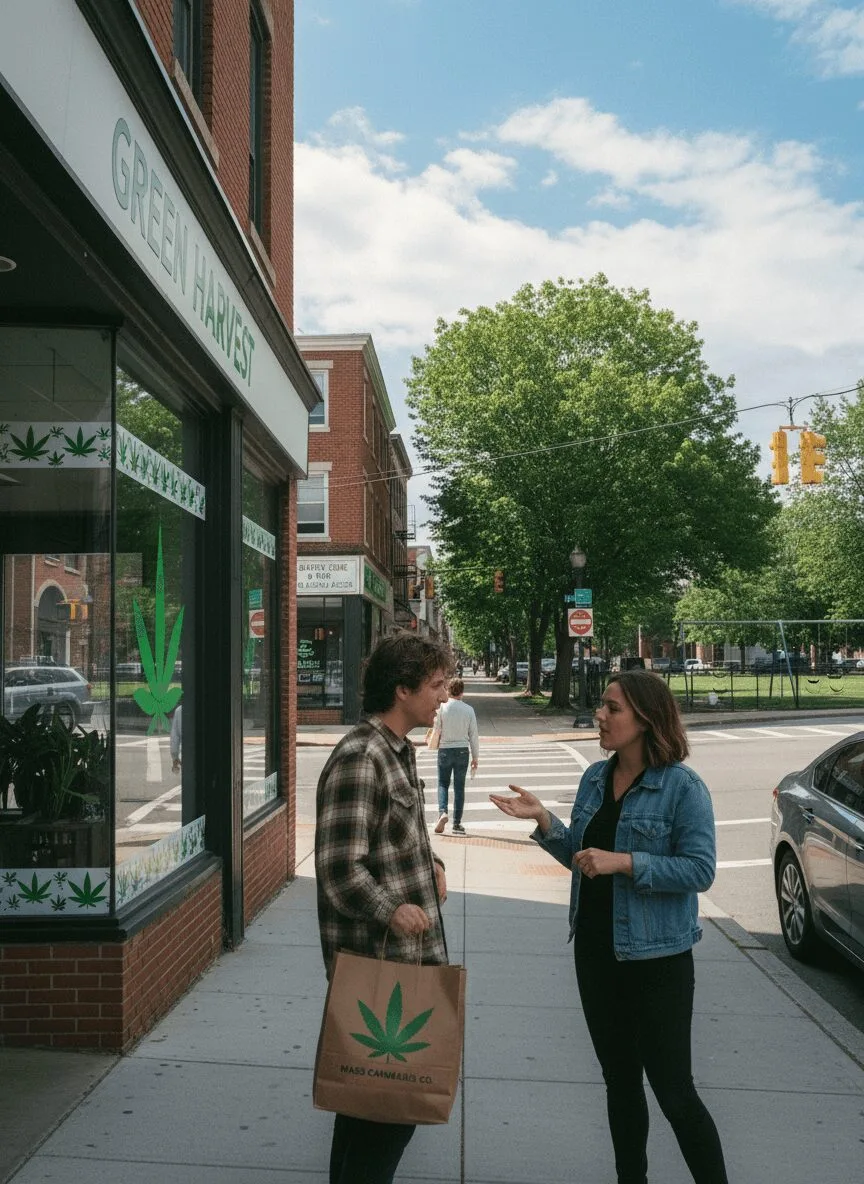
The marijuana zoning buffer Massachusetts rule is a set distance that dispensaries and cannabis businesses must maintain from sensitive spaces, such as schools, playgrounds, and sometimes recovery centers. According to the Massachusetts Cannabis Control Commission, these buffer zones typically require a minimum of 500 feet between marijuana establishments and facilities serving minors. Many of these regulations are designed to reduce risk, especially in areas near schools, an issue that often comes to the forefront when news like the arrest of suspects near schools sparks debate about local cannabis policy. Local governments can tweak these rules, either tightening or relaxing the specifics depending on community feedback and local politics. The main goal is to balance adult access to legal cannabis with public health and safety, particularly for youth. This system gives cities and towns a say in how cannabis fits into the neighborhood, leading to some hot zoning debates and creative, community-tailored regulations across Massachusetts.
2026 Spotlight: Key Developments in the State’s Buffer Zone Debate
Big changes may be in store for the marijuana zoning buffer Massachusetts scene. Recently, a controversial city-approved dispensary plan in Worcester sparked passionate discussion after local parents noticed it would fall just within the existing buffer zone. According to Massachusetts Lawyers Weekly, the zoning board’s January 2026 decision relied heavily on an updated land survey, leading to a heated city council session where officials weighed business growth against community concern. StreetLeaf LLC, one of the largest operators filing expansion permits this year, is pushing the local government to clarify gray areas in buffer measurement guidelines. As Boston’s city council reviews proposals to revise buffer distances, hoping for clearer rules and less red tape for both newcomers and established players, the state’s evolving approach can be seen reflected in national policy trends, such as those explored in broader cannabis market trends shaping regulatory changes across the country. These debates highlight the evolving intersection of local governance, public safety priorities, and entrepreneurial energy in the state’s cannabis industry.
Expert Insights: What These Buffer Battles Mean for Cannabis in Massachusetts
So, what’s the real impact of the marijuana zoning buffer Massachusetts on business and community? According to Marijuana Moment, buffer zones make real estate selection a puzzle and stretch negotiations between business owners and city planners. Jessica Kahn, a regulatory consultant and former policy advisor, notes, “Buffer zones aren’t just lines on a map, they’re a reflection of a community’s comfort with change. But as stigma fades and adult-use normalization grows, many towns are finding a middle ground that supports both safety and business.” Local debates, like those that emerge when cannabis sales to minors spark controversy and community reflection, show why these ordinances matter. For dispensary operators, buffer clarification can mean the difference between survival and shutdown. Industry insiders agree: too-strict rules stifle fair competition, while overly lax policies can undermine public trust. Legal experts recommend that communities revisit these ordinances annually to keep pace with shifting needs and social norms.
Looking Ahead: The Buffer Zone’s Place in Massachusetts’ Cannabis Future
The conversation around the marijuana zoning buffer Massachusetts is far from over. With cannabis sales continuing to break revenue records (as stated in a recent Boston Globe report), the pressure is on local leaders to strike a smarter balance between community comfort and industry innovation. Expect more hearings, policy tweaks, and smarter real estate strategies ahead. For business owners and consumers alike, staying tuned to these developments is key. As acceptance grows, buffer zones could evolve from obstacles into tools for collaborative city planning—proving, once again, that cannabis isn’t just a product, but a powerful community conversation.
Originally reported by: masslawyersweekly.com

1 Comment
Pingback: Virginia hemp industry challenges: What’s next for farmers?