Dark Money Marijuana Ban: Unmasking the True Backers
The dark money marijuana ban is making headlines again, turning up the heat in Massachusetts and Maine. With cannabis markets booming, new anti-legalization efforts are casting a shadow over the industry. These campaigns—fueled by hidden donors—are sparking real questions about transparency, voter rights, and who benefits most. If you care about cannabis freedom or just want to know who’s fighting to roll it back, this is a story you can’t ignore. In this breakdown, we’ll follow the money, highlight the legal moves, and dig into what it means for cannabis advocates and the industry at large.
Peeling Back the Layers, Background & Context
The cannabis scene in the Northeast has evolved fast, with Massachusetts and Maine both embracing adult-use legalization over the last decade. Both states have seen growing markets, fresh tax dollars, and broader acceptance in communities. However, the tension between pro-cannabis reform and restrictionist groups isn’t new. Voter-approved reforms in Massachusetts (2016) and Maine (2016) set a precedent, but anti-cannabis lobbying—often powered by undisclosed “dark money”—remains a forceful undercurrent. According to The New York Times, untraceable funding in American elections has shaped everything from marijuana policy to local ballot questions. The regulatory environment is complex, with state and federal conflicts still keeping cannabis in legal limbo. While the public overwhelmingly supports legalization—nearly nine out of ten Americans approve of some form of legal cannabis—there’s still a battleground of hidden backers and strategic campaigns aimed at rolling back progress. This struggle is not limited to the Northeast, as states like Texas have also experienced bold shifts in medical marijuana policy, reflecting the national debate.
Key Developments, Who’s Bankrolling the Dark Money Marijuana Ban?
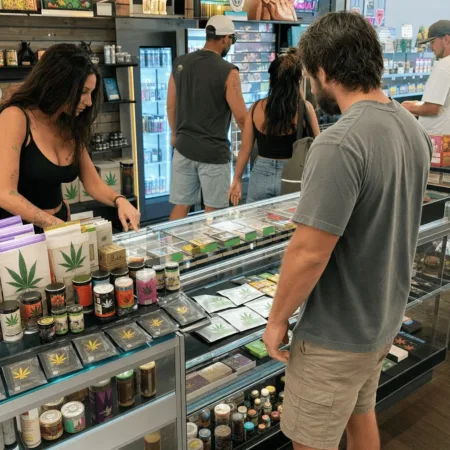
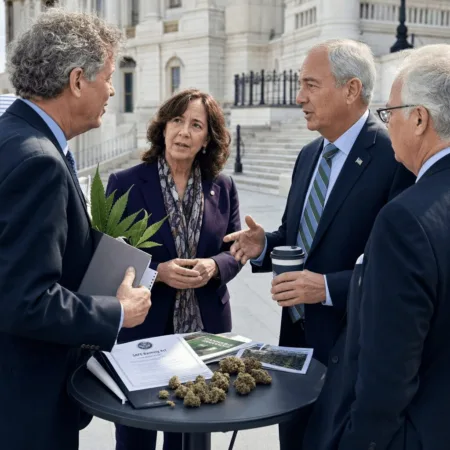
Let’s get blunt, behind every dark money marijuana ban, there’s a tangled web of donors, organizations, and special interests maneuvering in the shadows. According to a recent investigation by Commonwealth Beacon, a national anti-pot advocacy group—not named publicly—has funneled cash into efforts to ban recreational marijuana in Massachusetts and Maine. The campaign surfaced in spring 2024, with ballot question committees in both states receiving hundreds of thousands in outside money. Legal disclosures show the cash originates from outside New England, routed through non-profit entities designed to mask donor identities. These dark money groups are supporting locally branded organizations (like Safe and Healthy Massachusetts and Mainers for Health and Safety) spearheading anti-cannabis ballot drives. The situation echoes tactics seen ahead of previous legalization votes, where similar groups skirted donor transparency rules by leveraging 501(c)(4) ‘social welfare’ organizations. That means, while voters face a ballot question supposedly driven by local supporters, big national money—sometimes with no direct ties to Massachusetts or Maine—calls the shots from behind the curtain. These revelations surfaced as state election officials began scrutinizing campaign finance filings for irregularities and incomplete disclosures, raising fresh debates about compliance with state transparency laws and democratic integrity. Meanwhile, consumer experiences at dispensaries, like the rise of luxury cannabis retail in Cincinnati, highlight the contrast between restrictionist campaigns and real market trends.
Expert Analysis & Pro-Cannabis Counterpoints
The rise of the dark money marijuana ban isn’t just a regulatory headache, it’s a gut-check moment for the whole U.S. cannabis movement. Most local reformers view these efforts as a direct attack on voter autonomy and economic progress. To quote Shaleen Title, former Massachusetts Cannabis Control Commissioner, from Marijuana Moment, “Out-of-state anti-cannabis funding undermines democratic decisions and hurts local economies.” These bans, bankrolled by anonymous interests, threaten vibrant industries that employ thousands and generate significant state revenue (over $1 billion in Massachusetts sales alone, MassLive reports). Industry experts emphasize that dark money campaigns are often out of sync with local priorities and ignore social justice benefits. For context, legal cannabis has been closely tied to reduced arrests, shrinking illicit markets, and new funding for community programs. Major regulatory watchdogs like The National Conference of State Legislatures call for greater transparency and regulation in political spending, especially around contentious ballot questions. In other states, such as Michigan, evolving sales numbers and industry trends also underline the impact of regulation and advocacy on economic outcomes.
Future Outlook: Transparency, Growth, and the Road Ahead
If the dark money marijuana ban teaches us anything, it’s that the demand for honest, open democracy is at an all-time high. Grassroots advocates aren’t chilling out—they’re organizing, rallying voters, and pushing back with facts and community voices. Despite the noise, the cannabis industry’s expansion in Massachusetts, Maine, and beyond shows no signs of slowing down. Transparency battles like these usually end up strengthening regulations and empowering the public to shape policy openly. According to Leafly, national momentum for cannabis reform keeps building, and every challenge—especially those funded from the shadows—reminds reformers why transparent, people-driven change matters. The movement for fair, regulated access grows stronger every cycle, pointing toward a future where voters—not hidden checkbooks—call the shots. Stay tuned, stay informed, and keep it green!
Originally reported by: commonwealthbeacon.org