





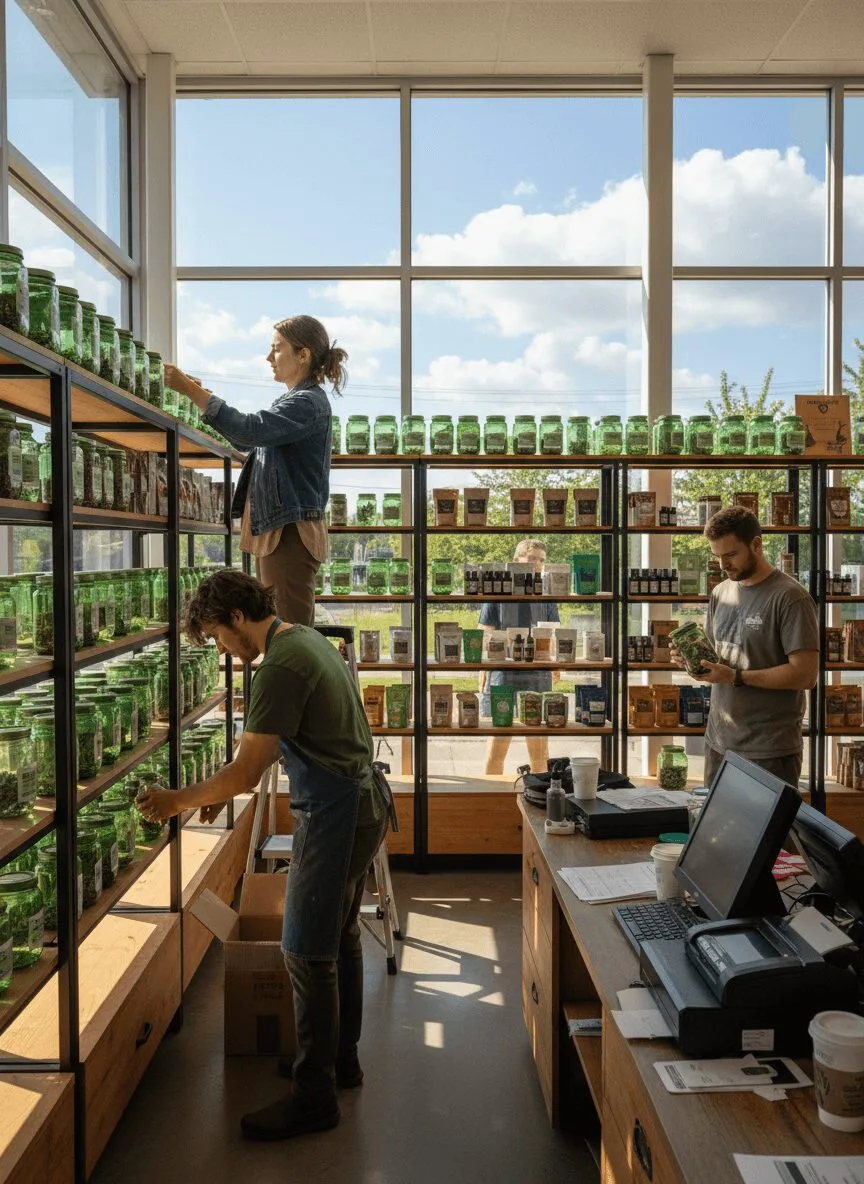
Michigan marijuana sales 2025 are dominating the headlines, and it’s no mystery why. Michigan’s cannabis scene is booming, with sales hitting all-time highs. But, unexpectedly, profits aren’t keeping pace with the massive surge in transactions. This twist in the industry’s growth story is rattling retailers, advocates, and policymakers alike. Let’s break down what’s fueling record-breaking receipts—and why more cannabis sold doesn’t always mean everyone’s rolling in green.
Background: Cannabis Laws, Market Maturity & The Michigan Model
To understand Michigan marijuana sales 2025, you must rewind a bit. Michigan’s legal adult-use cannabis market launched in December 2019, rapidly becoming one of the Midwest’s trailblazers. Thanks to voter-approved Proposal 1, adults over 21 can buy and possess marijuana. By 2020, annual sales had surpassed $1 billion, showing just how much demand was pent up. Regulatory oversight comes from the Michigan Cannabis Regulatory Agency (CRA), which has steadily expanded licensing, allowing more dispensaries and growers into the mix. Over time, competition intensified, and with it, pricing pressures and tight margins. Social attitudes have thawed, legislative scrutiny has intensified, and market players are navigating stricter regulations for everything from product testing to advertising. According to MJBizDaily, Michigan ranks among the top three states for cannabis sales volume, routinely outpacing legacy markets thanks to robust access and consumer enthusiasm. While regulatory approaches differ from those of other states, the trends seen here parallel evolving frameworks elsewhere, such as the regulatory journey analyzed in Virginia’s legalization process, offering valuable lessons for the industry as a whole.
Key Developments: Sales Rocket Upward, While Profits Slide
As we step into 2025, Michigan marijuana sales are hotter than ever. According to data cited in recent WTVBAM reporting, monthly sales volumes have shattered prior records, with retailers ringing up millions in product every month. The twist? Profit margins are shrinking just as quickly as sales are rising. Major dispensary chains like Skymint and Common Citizen reported falling year-over-year profits despite double-digit sales growth. What’s behind this paradox? For starters, a supply glut sparked by rapid expansion and generous licensing has led to market saturation. Prices for flower, edibles, and concentrates have dropped significantly, putting pressure on retailers large and small. The CRA continues to issue new licenses, and as Detroit Free Press reports, more competition is brutalizing margins. Meanwhile, local municipalities wield new restrictions on retail locations, adding operational headaches. All these forces are shaking out weaker players and driving consolidation. Michigan isn’t the only market facing regulatory crackdowns and shifting revenue forecasts—similar challenges are being met by communities elsewhere as seen in Nebraska’s unfolding negotiations involving tribal talks and cannabis reform.
Deep Dives: Insights, Surprises & Straight Talk on Michigan Marijuana Sales 2025
Let’s get real, what does this all mean for the future of Michigan marijuana sales 2025? Experts see it as classic growing pains. “It’s a marathon, not a sprint. The initial gold rush is over, but sustainable profits demand discipline and innovation,” explains Matthew Abramowitz, market analyst at Ganjapreneur. The shrinking margins, he notes, are pushing out the opportunists while rewarding businesses that value quality, consistency, and community relationships. National publications like Marijuana Moment underscore Michigan’s unique advantage, a huge consumer base and a regulatory structure that, while not perfect, supports long-term growth. Industry leaders advise smaller retailers to specialize—think craft cannabis, niche products, or education-friendly experiences—rather than fight giants on price alone. For dispensaries, ensuring consumer trust is more important than ever now, as highlighted by ongoing policy discussions, such as those addressing youth cannabis access in new laws to restrict sales to minors. And for consumers, the increased competition means lower costs, better options, and higher safety standards across the board.
What Comes Next: Growth, Maturity & A Greener Tomorrow
Michigan’s story is far from over. If anything, Michigan marijuana sales 2025 prove the market is maturing, not stalling. As regulators, retailers, and consumers adjust, expect more innovation—everything from locally grown strains to sustainable packaging and wellness-focused products. Social acceptance is likely to keep climbing, with Michigan blazing a bright trail for other states wrestling with similar growing pains. As MJBizDaily puts it, “The cannabis industry rewards perseverance, adaptability, and an unwavering commitment to the plant and its people.” That’s a future worth rooting for as Michigan turns turbulence into long-term opportunity.
Originally reported by: wtvbam.com


1 Comment
Pingback: Texas medical marijuana program: Key Updates & Access Guide