


DOJ marijuana rescheduling concerns: What’s really at stake?
The heat around DOJ marijuana rescheduling concerns is cranking up, and not just among industry insiders. As Washington debates next steps, both policymakers and cannabis advocates know how much the Department of Justice’s approach could impact both legal markets and millions of patients. Whether you’re rooting for federal progress or worried about regulatory backslides, the stakes for rescheduling have never felt higher. Let’s break down what’s on the line, why this is making headlines now, and how real people and businesses could see big ripple effects soon.
Background: Why DOJ Marijuana Rescheduling Concerns Matter
Marijuana’s spot on the federal controlled substances schedule is a relic of policies dating back decades. Despite rising public support for legalization (Pew Research), the federal government has kept cannabis a Schedule I drug, grouped with heroin and LSD and labeled as having no accepted medical use and a high potential for abuse. This restricts research, banking, and interstate commerce, and keeps regulatory uncertainty for state-legal businesses. For communities and dispensaries concerned about compliance and protection, intelligent security solutions are becoming essential to adapt to changing regulations and risks. However, shifting public opinion, growing state markets, and President Biden’s call for a review have put regulatory change back in the spotlight. The DOJ has the authority to reshape how cannabis is classified, but political and legal uncertainties, along with industry confusion, persist. This backdrop sets the stage for today’s DOJ marijuana rescheduling concerns.
Key Developments & Issues Fueling DOJ Marijuana Rescheduling Concerns
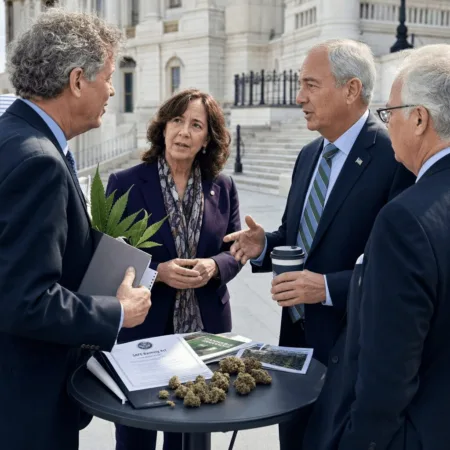
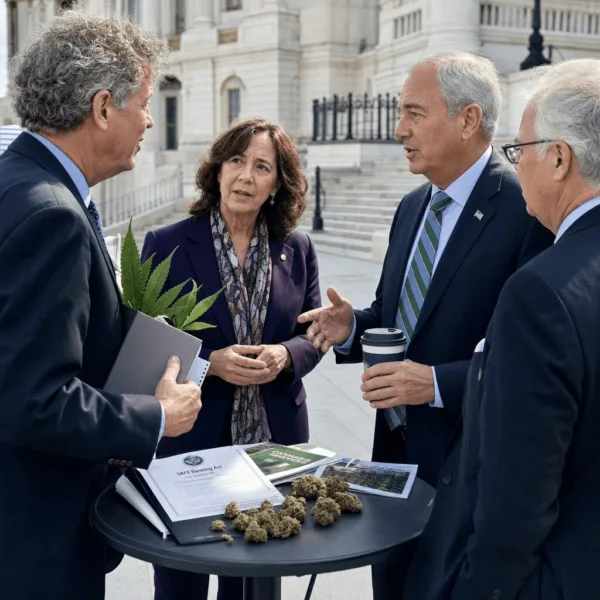
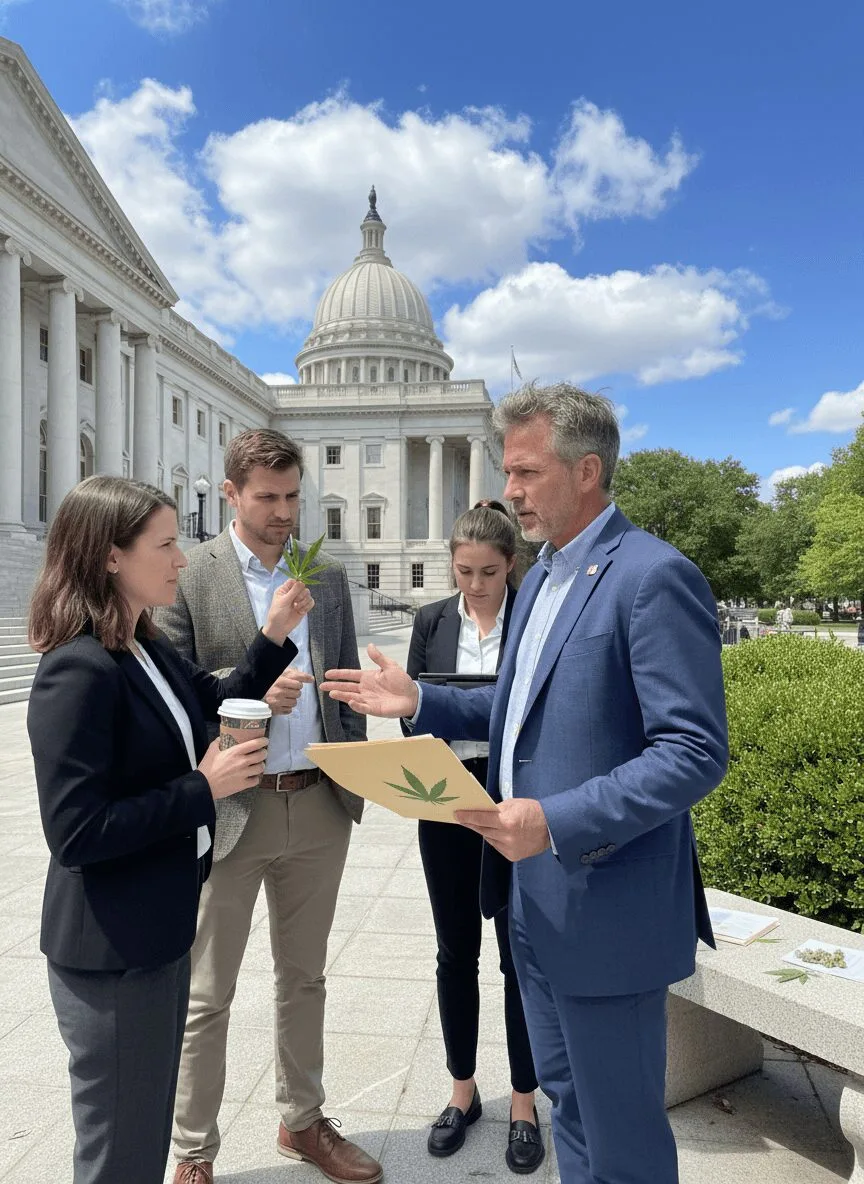
Recently, Senator Ron Wyden, a leading Democrat and vocal supporter of cannabis reform, shared ongoing DOJ marijuana rescheduling concerns in an interview cited by Marijuana Moment. He raised worries about whether the DOJ would actually implement recommendations to reschedule cannabis after the Department of Health and Human Services advised moving it to Schedule III. The real challenge is that the DOJ could still take a more restrictive approach or delay the process, holding back relief for businesses and patients. Last month, President Biden renewed his commitment to reforming cannabis scheduling and highlighted how the status quo is out of step with modern views. Meanwhile, organizations like the National Organization for the Reform of Marijuana Laws (NORML) say the industry needs prompt and meaningful federal action. These developments show that evolving regulatory frameworks, such as the ongoing challenges shaping cannabis legalization reforms, are central to addressing stakeholder uncertainty. But with no clear timeline from DOJ policymakers, everyone from dispensary owners to patients remains uncertain, which only amplifies DOJ marijuana rescheduling concerns.
Expert Insights & Pro-Cannabis Counterpoints: DOJ Marijuana Rescheduling Concerns
The cannabis industry has faced regulatory hurdles for years, but current DOJ marijuana rescheduling concerns have united advocates, business leaders, and policy analysts. As state markets mature and revenue streams grow, industry experts agree that keeping marijuana as a Schedule I substance damages both innovation and access. Advocacy veteran Paul Armentano of NORML notably stated: “Cannabis’s current federal classification is unsustainable and continues to undermine science, commerce, and civil liberties.” Many are anxious that the DOJ could deliberately move slowly, but reports from Leafly and Ganjapreneur suggest that every step toward rescheduling reduces social stigma and builds public momentum. Real-world business evidence, like how major cannabis companies navigate evolving policies and earnings reports, emphasizes that delays in reform can directly affect industry growth. Experts largely agree: rescheduling is not the final step, but an essential one for future legalization and record-clearing efforts. While DOJ marijuana rescheduling concerns are well-founded, there is growing resolve within the industry to keep pushing for timely action.
Future Outlook: A Turning Point for National Cannabis Policy?
Looking ahead, the energy swirling around DOJ marijuana rescheduling concerns feels like a genuine inflection point for U.S. cannabis. State-level reforms have forced the feds to reevaluate a failing status quo, while the market’s resilience (even during federal limbo) shows how much demand and industry innovation are here to stay. According to The New York Times, bipartisan momentum is gathering—even in unlikely corners of Congress. Patient groups, veterans, small businesses, and public health experts are loud in their demand for evidence-based, compassionate reform. While the DOJ could stall, most industry voices see this moment as the start of broader normalization, not the end. In the coming years, expect continued growth, policy advances, and—yes—relentless advocacy to turn DOJ marijuana rescheduling concerns from obstacle to opportunity. Cannabis is on the rise, and the door to meaningful change is finally open.
Originally reported by: marijuanamoment.net