


Miami Lakes drug bust: How a $22M Seizure Sparked a Netflix Hit
Few things capture the intersection of real crime and pop culture quite like the Miami Lakes drug bust. This story matters more than ever today, as cannabis legalization debates rage nationwide and the blurred lines between legality, enforcement, and storytelling shape public opinion. The Miami Lakes drug bust, now the heart of a Netflix true-crime sensation, offers a fresh look at how cannabis policy impacts people, policing, and the big screen. Let’s break down the facts, the fallout, and what it all means for the cannabis industry in 2024.
Regulatory and Social Background: Shifting Cannabis Laws and Legacy Enforcement
The Miami Lakes drug bust sits at a wild crossroads of cannabis legality, evolving laws, and a rapidly shifting public attitude. In Florida, cannabis is approved for medical but not recreational use, creating confusion and risk for both consumers and operators. According to NPR, medical use is popular statewide, but recreational legalization remains hotly contested. Law enforcement continues to invest significant resources into large-scale raids, even while market demand and social acceptance grow. This context helps explain why a high-profile seizure in Miami Lakes can still make headlines, draw debate, and become fodder for streaming giants like Netflix. It’s a reminder that despite national momentum toward reform, real risks remain, especially in states where the legal landscape is murky. Ongoing shifts in marijuana laws, such as recent appeals concerning Florida’s legalization amendment, add another layer of complexity for operators and residents alike—see related developments in statewide legalization debates.
Nationally, attitudes continue to shift. The Pew Research Center found over 70% of Americans support cannabis legalization, indicating that operations like the Miami Lakes drug bust represent an increasingly controversial clash between the law and public opinion. This disconnect is fueling both industry growth and continued criminalization in pockets across the country, creating suspenseful backdrops for headline-making busts.
The Miami Lakes Drug Bust: Timeline, Details, and Cultural Impact
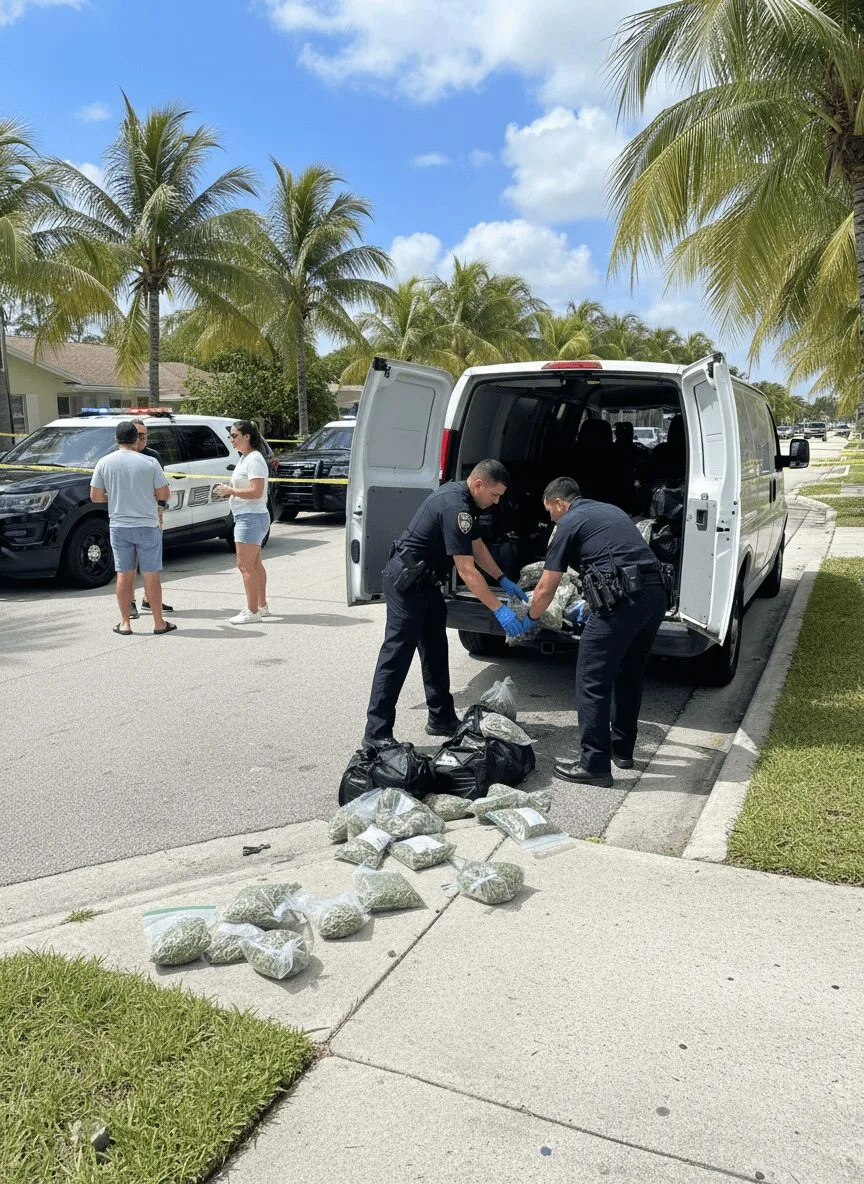
The Miami Lakes drug bust launched in spectacular fashion, capturing both local and national attention. As reported by NBC Miami, this operation led to the seizure of approximately $22 million in cannabis and related contraband. The bust, taking place in late 2022, involved a coordinated multi-agency effort between local police and federal partners. Police arrived on a sleepy suburban street after receiving a tip about suspicious activity. What followed looked right out of a Hollywood script, with marked police SUVs, officers in tactical formation, and the discovery of black duffel bags stuffed with cannabis packages. (Nationally, other shocking marijuana arrests, such as those involving family threats, have stoked debate—sparking cannabis policy conversations.)
The suspects, linked to a wider distribution network, allegedly operated under the radar for months, until surveillance and community reports helped law enforcement pinpoint their activities. The sheer scale of the haul, especially in a state with only partial legalization, instantly made the Miami Lakes drug bust front-page news. It gathered so much attention that Netflix adapted the story into a feature film, highlighting not just the dramatic events but also Florida’s complicated relationship with cannabis.
According to Florida state court filings, at least four individuals face felony trafficking charges, with the case expected to test the limits of state cannabis enforcement in the modern era. Legal analysts from the National Organization for the Reform of Marijuana Laws (NORML) suggest this case could set significant precedent for how large-scale cannabis infractions are prosecuted in medically legal states.
Industry Insights and Pro-Cannabis Analysis
The Miami Lakes drug bust can’t be separated from trends rocking the whole industry. Rising demand, lagging regulation, and inconsistent laws combine to create confusing, sometimes dangerous, markets. Veteran industry analyst Jamal Rivera told Leafly, “We see legacy policing meeting modern marketplaces, with state laws struggling to catch up. Huge busts like Miami Lakes show the risks of not having a clear, unified legal framework. It punishes hustlers, not the market forces behind demand.” These tensions echo what’s playing out in other states, where lawsuits erupt as municipalities clamp down on cannabis businesses—like the recent legal fight over pot shop bans in Michigan. That tension defines the current moment, with traditional ‘war on drugs’ tactics applied in places where attitude and demand outpace outdated rules.
From a business perspective, the Miami Lakes drug bust illustrates the need to bridge the gap between shifting public acceptance and official policy. Florida’s vibrant unlicensed market—estimated by Marijuana Policy Project at nearly half a billion dollars yearly—reflects consumers’ willingness to work around the law if regulated options are blocked. Meanwhile, legal operators face complex compliance barriers and stiff competition from illicit sellers.
Advocates emphasize education, regulation, and transparency, not just enforcement, as keys to a safer, smarter cannabis industry. Balanced, sensible policy would reduce the incentive for clandestine operations and free up law enforcement to target genuinely harmful crime instead. As Rivera notes, “No one gets safer when cannabis regulation lags behind what voters already support.” For example, as hemp-derived THC bans reshape retail spaces and operator strategies, staying informed about how these bans impact stores and shoppers is crucial for both the industry and consumers.
Looking Forward: Opportunity, Reform, and Renewed Debate
The Miami Lakes drug bust stands as both a cautionary tale and a call for policy evolution. As cannabis normalization accelerates in the U.S., such dramatic law enforcement actions highlight what can happen when legal frameworks don’t align with social and market realities. Industry growth, investor interest, and ongoing reform efforts show that the future is bright—especially as more states explore legalization and regulation supported by organizations like Cannabis Business Executive.
For those tracking the future of cannabis, Miami Lakes marks a moment of both conflict and possibility. While enforcement headlines may capture the popular imagination (and Hollywood producers), the real story lies in smart policy, robust industry standards, and honest dialogue. Florida, and states like it, are primed for reform as voters, patients, and entrepreneurs demand a fair, transparent marketplace. The Miami Lakes drug bust is proof that the fight for cannabis normalization is far from over—but the tide is turning, and a new chapter is just beginning.
Originally reported by: nbcmiami.com

1 Comment
Pingback: Ojibwe Tribe cannabis licensing: How to Get Approved Fast