


Alachua County Jail Booking Log: Latest Arrests & Mugshots
Hey friends, cannabis news is moving fast—and not just in big cities. The latest Alachua County Jail Booking Log is popping up everywhere as public interest in criminal justice reform, cannabis legalization, and community policing keeps seeing new highs (pun intended). Checking this booking log isn’t just a pastime for nosy neighbors: it highlights growing conversations about cannabis arrests, shifting law enforcement priorities, and honest questions about who still ends up in handcuffs for a plant we’re normalizing nationwide.
Today, we’re breaking down the newest report, why the Alachua County Jail Booking Log matters more than ever, and what it says about cannabis culture, criminality, and the future of local justice. Buckle up—this might challenge some assumptions, and it might spark a few laughs along the way too.
Understanding the Local Scene: Background on the Alachua County Jail Booking Log
The Alachua County Jail Booking Log isn’t just a mundane police file, it’s a public resource and a window into how the war on drugs still plays out in local communities. Florida has wrestled with cannabis regulation for years, creating a patchwork of laws that confuse citizens and law enforcement alike. While medical cannabis is legal, adult-use remains a criminal offense according to the NORML Florida review. This legal limbo can mean otherwise law-abiding people end up in the log simply for a baggie of flower, a reality that echoes broader national uncertainty, as seen in recent stories about the ripple effects of federal delays which affect state and local cannabis enforcement dynamics (Federal Hemp Regulation Delay Creates Ripple Effect Across U.S. Cannabis Industry).
Over the past few years, activism and public pressure have started to pay off. Gainesville, the Alachua County seat, has seen law enforcement prioritize violent crime or property theft over low-level cannabis offenses, yet confusion persists at the deputy discretion level (Leafly, Florida Cannabis Law Guide). The result: even in 2026, people are still nabbed on minor cannabis charges, and their names appear in the Alachua County Jail Booking Log. This is why examining these logs is so relevant, it provides a snapshot of real legal risks and changing attitudes, right where they intersect.
Key Arrests & Events: What’s New in the Alachua County Jail Booking Log
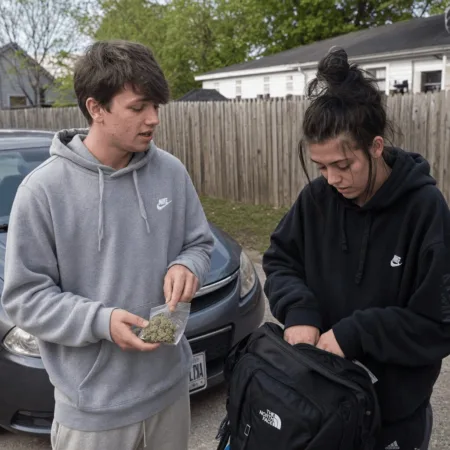
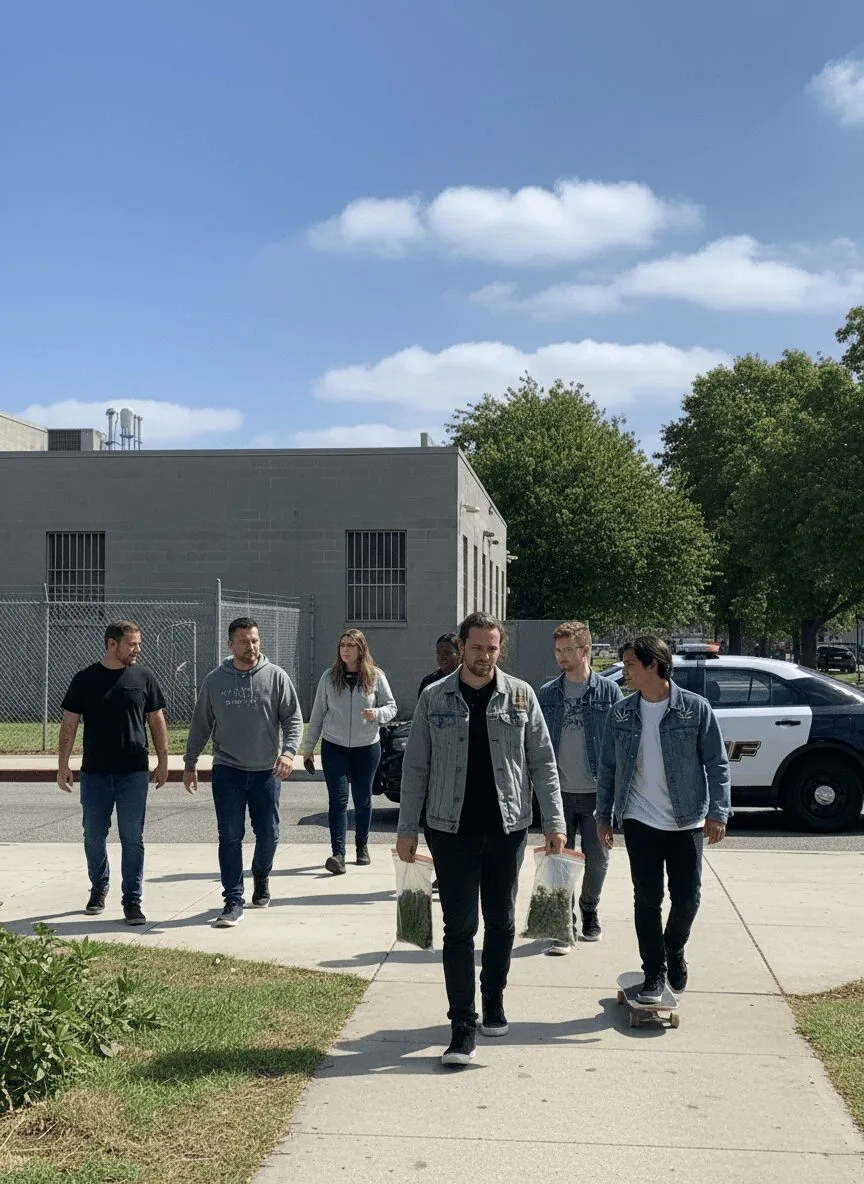
Let’s get into the nitty-gritty of the newest Alachua County Jail Booking Log, which spotlights January 17, 2026. According to the log, several entries once again involve simple cannabis possession. Two individuals were cited for possessing less than 20 grams, which underscores how enforcement can feel arbitrary and is reminiscent of concerns about law enforcement practices in other states, such as recent warnings from advocates and locals in Maine. Notably, both were arrested near a skate park, echoing national statistics from the Marijuana Policy Project that highlight how young people and marginalized communities bear the brunt of such enforcement. The log also lists a handful of non-cannabis-related charges, including petty theft and disorderly conduct, but cannabis remains a visible presence.
Thanks to Florida’s evolving privacy laws, certain mugshots were withheld, but case numbers and charge details remain open for public scrutiny, fueling both debate and transparency. At the heart of these bookings sits the constant question: who do these laws protect, and who do they punish?
Cannabis, Crime, and Clarity: Honest Analysis & Industry Perspective
The regular appearance of cannabis charges in the Alachua County Jail Booking Log is a stubborn reminder that, despite shifting public sentiment and robust industry growth, some regions lag on policy reform. As industry leader Steve Hawkins states, “Local enforcement patterns often trail behind both state law and public opinion, resulting in outdated policing and unnecessary criminalization” (Forbes). In regions where the criminalization of cannabis persists, the question turns to whether these patterns might change, especially with increasing evidence in support of the plant’s therapeutic potential, as researchers continue to uncover new findings about how cannabis offers real relief for conditions like nerve pain (Surprising Science Behind Real Relief).
Why does this persist? Law enforcement agencies, “doing their jobs,” often default to strict interpretation until legislative change is undeniable. But in a world where 68% of Americans support recreational legalization, ongoing arrests can come off as tone-deaf rather than tough on crime.
What’s heartening is that each appearance of cannabis in the Alachua County Jail Booking Log boosts dialogue. It prompts advocates, lawyers, and even some officers to question the utility of stacking up cases against nonviolent offenders. More local policymakers are listening, with some counties even proposing new diversion programs or decriminalization efforts, offering community-driven models for reform inspired in part by stories of collective growth and positive local impact (Years of Community, Growth & Impact).
Next Steps: Growing Hope and Real Change for Alachua County
Every update to the Alachua County Jail Booking Log reflects the crossroads of tradition and transformation. As cannabis acceptance soars and lawmakers catch up to reality, these arrest logs will (we hope!) become relics of a bygone era. Each entry functions as a pulse check on our evolving priorities—are we really locking folks up for flowers or finally chilling out on outdated rules?
In Florida and beyond, the energy for reform is undeniable. Groups like Marijuana Policy Project and coverage from High Times amplify local stories, while leaders nationwide push to expunge records and stop low-level cannabis arrests. The bracing optimism? Those reading the Alachua County Jail Booking Log today may soon see a page with far fewer cannabis cases—because progress, once started, is hard to stop.
Keep your eyes on the log, your voice in the debate, and hope high. Change is in the air—and this time, it smells like something good.
Originally reported by: alachuachronicle.com