



Guam cannabis regulation summit: What you must know now
The Guam cannabis regulation summit isn’t your average island meeting—it’s a turning point for the entire region’s cannabis industry. As legalization momentum surges across the Pacific, this summit shapes how Guam embraces safe, fair regulation. The event draws lawmakers, industry veterans, supporters, and skeptics. Their conversation could signal big changes for business and social acceptance. In this article, I’ll break down what’s happening, why it matters, and why the Guam cannabis regulation summit is in the global cannabis spotlight.
How Did Guam Get Here? A Quick Dive Into Cannabis Legislation
Guam’s relationship with cannabis has come a long way since prohibitionist days. Back in 2019, Guam’s government shook things up by passing the Cannabis Industry Act, legalizing recreational use for adults, which was one of the boldest moves in the Pacific. The catch? The law kicked regulation decisions squarely into the hands of public health and oversight boards (Guam Daily Post). Since then, debates on potency, equity, and responsible retail have captivated policymakers, patients, and advocates alike. The territory’s mix of local customs, U.S. federal influence, and Pacific island culture makes regulation extra complicated. Social stigma lingers, but surveys show growing support as more residents learn about cannabis’s medical and economic benefits. Across North America and in places like British Columbia, industry observers have witnessed surprising sales trends and regulatory shifts, underscoring why neighboring islands are watching closely, knowing Guam’s regulatory successes (or missteps) could set the tone for the region for years (unexpected sales declines). That’s why the Guam cannabis regulation summit is so crucial, as it brings together diverse voices for real-time, honest discussion.
Inside the Summit: January 29 Headlines, Stakeholders, and Hot Topics
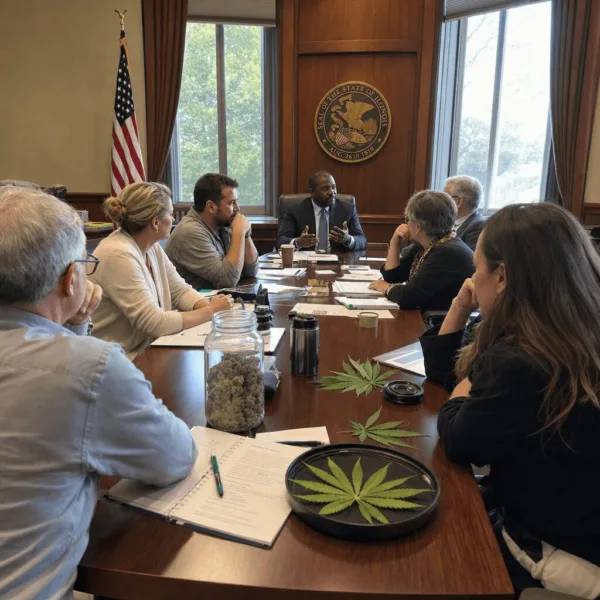
On January 29, 2024, the Guam Department of Public Health and Social Services (DPHSS) led the charge with its highly anticipated cannabis regulation summit. At the core: unpacking the details of licensing, compliance processes, and what ‘safe access’ really means in practice. According to the Pacific Daily News, local officials, advocates, healthcare pros, and entrepreneurs dove right into pressing topics: product quality testing, labeling standards, on-site consumption rules, advertising, and youth safeguards. While industry hopefuls voiced both excitement and anxiety about how final rules could determine market opportunities, DPHSS leadership emphasized the critical importance of stakeholder input, especially on controversial issues like social equity licenses and black market impacts. Consumer safety was also discussed in the context of ensuring quality control, echoing urgent reminders similar to those issued to cannabis consumers following alerts regarding herbal overdose warnings seen in other regulated markets. It’s clear the Guam cannabis regulation summit isn’t just a public forum, it’s actively shaping every phase of Guam’s legal industry rollout.
Industry Breakdown: What the Summit Means for Guam and Beyond
So, what’s next for Guam cannabis, and why does this summit matter so much for the broader movement? For starters, Guam’s progressive intent stands out—experts at Health Europa have repeatedly praised the territory’s commitment to safe and equitable access. Many hope Guam’s approach can sidestep pitfalls seen in rushed rollouts elsewhere. Veteran cannabis consultant Julian Camacho summed it up: “Guam’s willingness to learn from global best practices, and their own community, means a more resilient market will emerge.” There’s no escaping the challenges: balancing regulation for safety, protecting small local players from big mainland firms, plus keeping the black market at bay. Meanwhile, regulatory forums such as the Guam cannabis regulation summit encourage open debate and grassroots feedback. Industry-watchers—including big trade journals like Marijuana Moment—see Guam’s summit and regulatory progress as a roadmap for other emerging markets, especially in the Asia-Pacific region. As local governments across the U.S. continue to debate how tax revenues from cannabis could be used for public good, Guam may look to examples like using cannabis tax funds for community restoration projects as part of their next development phase.
Charting the Future: Guam’s Green Frontier
With regulations solidifying and public trust on the rise, Guam stands primed to lead as a responsible cannabis hub in the Pacific. The Guam cannabis regulation summit revealed real appetite for innovation, transparency, and social justice. As the U.S. mainland continues to wrestle with patchwork laws and uneven progress, Guam’s steady, collaborative push offers hope for a smoother path forward. I’m optimistic—if the energy from the summit keeps flowing, expect safer products, more equitable market access, and changing public perceptions. The tides are turning toward normalization, empowerment, and responsible growth—just as reports from Leafly show across North America. Keep your eyes on Guam—the next chapter is just beginning, and the island’s positive trajectory after the Guam cannabis regulation summit is a sign of much more to come.
Originally reported by: guampdn.com


1 Comment
Pingback: El Paso Electric Meta power plant: Inside the Bold $473M Move