

Florida marijuana referendum directive: What’s at stake?
Right now, the Florida marijuana referendum directive is sparking intense debate from Miami to the Panhandle. If you’ve been watching the evolving story around cannabis legalization, you’ll know that the stakes this year are sky-high. From shifting political winds to claims about government interference, Floridians face a crucial moment that could change state and national cannabis policy for years to come. Let’s explore the roots of the controversy, the big moves from Tallahassee, and what it means for both everyday voters and the broader cannabis community across Florida. Here’s what’s at stake, why it matters, and what’s next for the Florida marijuana referendum directive.
The Road So Far: Background & Context for the Florida Marijuana Referendum Directive
For years, Florida has been a battleground in the national debate over cannabis. With medical marijuana approved by voters in 2016, many saw the Sunshine State as poised for broader legalization. According to NORML, public support for recreational marijuana has hit record highs nationwide, and Florida polls reflect similar trends. The development of local and state-level cannabis markets, such as those seen in Virginia Beach, highlights the type of growth that has many Floridians watching for what’s next. Yet, the path to putting adult-use cannabis on the ballot has never been simple. The legislative scene is tangled, with multiple attempts at reform stalling while state agencies and lawmakers raise concerns about federal law or public safety. Socially, Florida’s growing and diverse cannabis community has built a vibrant movement, regularly highlighted by reputable sources like Marijuana Moment. Still, regulatory barriers and shifting interpretations of election law keep advocates on their toes, and now the Florida marijuana referendum directive is firmly in the spotlight.
Key Developments & Issues Surrounding the Florida Marijuana Referendum Directive
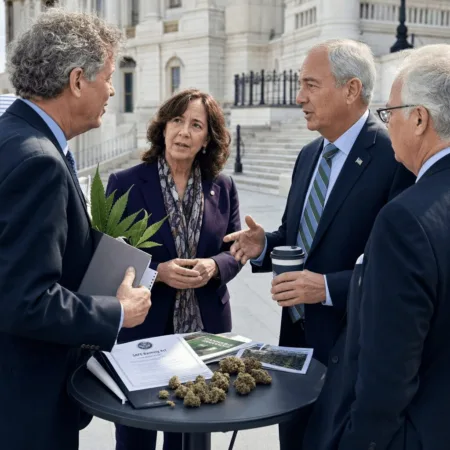
Flash forward to January 2026, when Florida’s political climate suddenly shifted again. According to a recent report by the Sun-Sentinel, a new directive from the DeSantis administration’s Division of Elections landed on the desks of county election supervisors. The directive, which arrived just as advocates were ramping up the Florida marijuana referendum directive effort, warned supervisors about the way ballot information would be communicated to voters. For those following similar legal debates—such as the scrutiny around hemp legality and industry challenges—the additional reporting burdens on local officials and confusion about ballot processes sound familiar. Critics say this move could influence outcomes by leveraging technicalities, echoing attempts to slow or block referendums by increasing administrative hurdles. Groups like Smart & Safe Florida, the driving force behind the legalization push, quickly raised alarms, aiming to ensure eligible voters aren’t discouraged or disenfranchised and that the Florida marijuana referendum directive gets a fair shot at the ballot. Alongside this, watchdogs and advocacy organizations such as the Florida ACLU have pointed out potential legal vulnerabilities. According to their recent statements, such directives might breach constitutional protections for ballot access, making this a defining moment for direct democracy on cannabis in the state.
Expert Analysis & Insights: Why the Florida Marijuana Referendum Directive Matters
If you’ve been in the cannabis space for a minute, you know these bureaucratic curveballs are nothing new. But this particular Florida marijuana referendum directive has industry experts sitting up straight. “Administrative hurdles can tip the scales, especially when the margins are tight,” observes Iris Dorbian, a respected cannabis market analyst with Forbes. “Clear and fair ballot processes are the backbone of state cannabis reforms across America.” Many industry veterans believe Florida is more than just another swing state—it’s a national bellwether. As we’ve seen with efforts in other regions—like the evolving discussion on changes to cannabis law frameworks in Massachusetts—the outcome of this directive could ripple across the country. At stake is trust in the system, which is already in short supply. For Florida’s thriving medical marijuana operators and eager new entrepreneurs, a successful vote could open the doors to investment, jobs, and profound social change. But if election directives become tools of suppression, the cannabis community will have to redouble its efforts—on the ground and in the courts.
Looking Forward: What’s Next for the Florida Marijuana Referendum Directive?
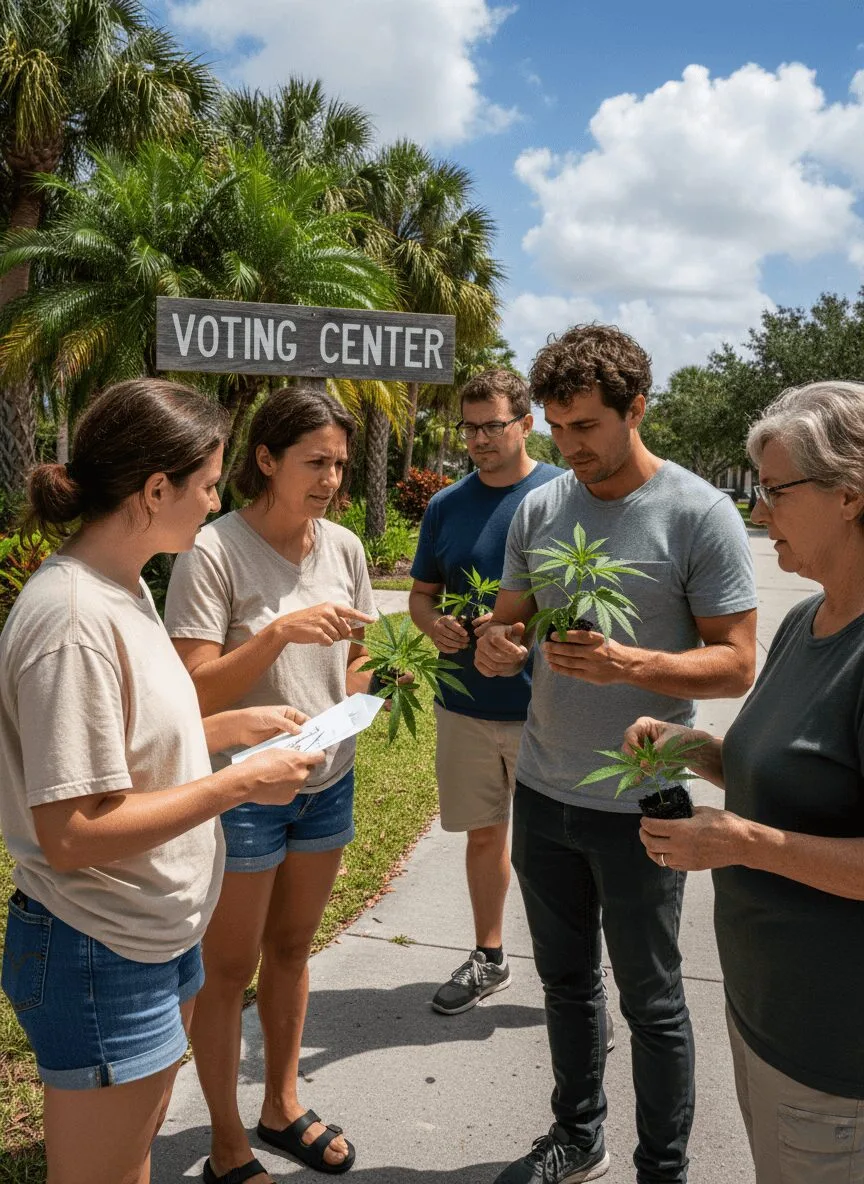
Despite new obstacles, optimism runs high across the advocacy scene. Florida’s cannabis movement has weathered setbacks before—from restrictive zoning battles to shifting political alliances. This is just another chapter in a long, green story. According to a Pew Research Center survey, most Americans now support legal adult-use cannabis. That popular tide has buoyed campaigns in other states, and Florida is primed for another surge. The outcome of the Florida marijuana referendum directive will set the pace for policy, culture, and commerce in the South and beyond. Win or lose this round, the movement keeps evolving, its roots growing deeper each year. For voters, patients, and passionate industry folks, the best thing to do is stay informed, keep showing up at the ballot box, and maybe stand around outside the polling place talking about the plant—just like Floridians in the news. Stay green, stay bold, and watch history unfold in the Sunshine State.
Originally reported by: sun-sentinel.com