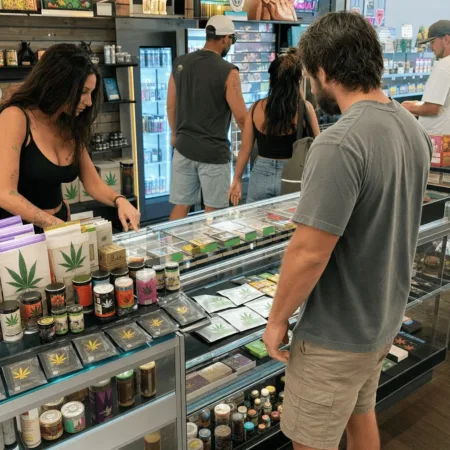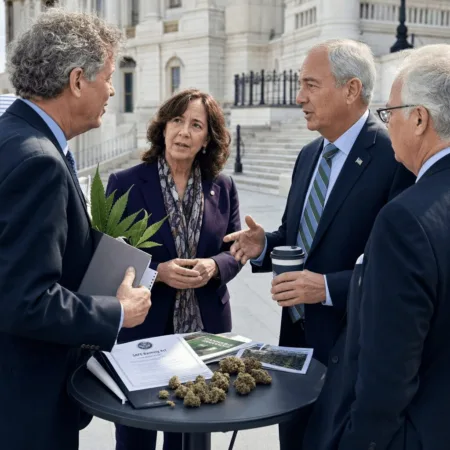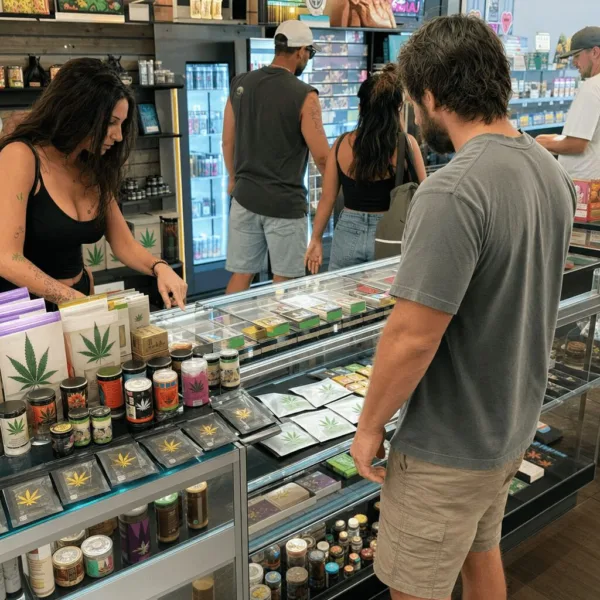

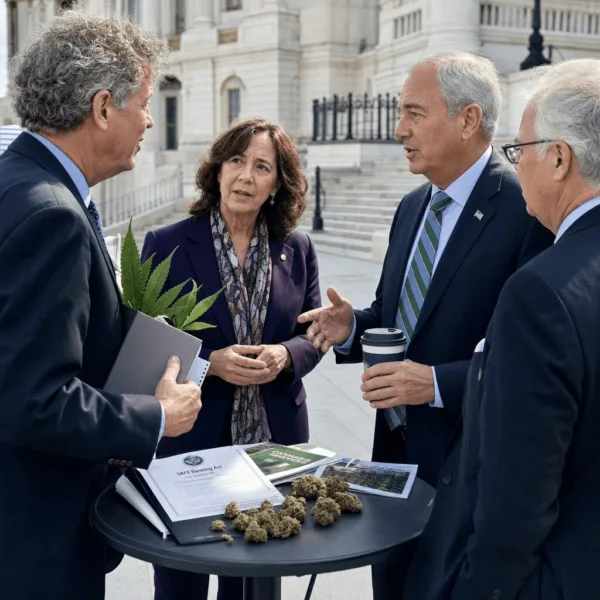



This year, the Virginia cannabis conversion fee has cannabis entrepreneurs buzzing. The state’s $20 million fee for converting medical licenses to adult-use operations is making headlines—and faces. As Virginia inches closer to broader legalization, this policy isn’t just a budget line; it’s reshaping who’s in, who’s out, and where the green rush goes next. We’ll break down what’s happening, why it matters now, and what advocates are saying about fairness, accessibility, and the future of the Virginia cannabis market.
Regulatory and Market Forces Behind the Virginia Cannabis Conversion Fee
To understand the Virginia cannabis conversion fee, you need some historical context. Since 2021, Virginia has moved from prohibition to legalizing recreational cannabis in principle, a rare move for a Southern state. However, real retail access has lagged, stuck behind political gridlock. According to Marijuana Moment, legislative stalls and regulatory uncertainty have slowed down the creation of a full retail infrastructure, leaving Virginia with a medical-only marketplace for now. In the wider context of regulatory shifts across the nation, fresh rules in cannabis and hemp are actively influencing emerging frameworks that may play a role in Virginia’s evolution. As lawmakers work to create a fair adult-use system, they’ve introduced the $20 million conversion fee for existing medical operators, a move intended to ensure only serious players step into the recreational game while helping fund oversight and community reinvestment. This fee is polarizing, as critics call it a barrier to entry for small businesses and equity applicants, while supporters argue it brings much-needed legitimacy, capital, and stability to this budding industry. Closing the gap between medical and adult-use is a high-stakes balancing act, with the fee positioned at the center of Virginia’s cannabis future.
Key Developments: The Fee, the Fallout, and Industry Reactions
Here’s what’s happening in the thick of the Virginia cannabis conversion fee debate. In January 2026, state lawmakers proposed a $20 million fee for Virginia’s existing medical cannabis operators to transition to adult-use sales, according to reporting from Cardinal News. Medical licensees such as Columbia Care, Beyond/Hello (Jushi Holdings), Green Leaf Medical, and Dharma Pharmaceuticals would need to pay up to take advantage of early entry into recreational sales. In parallel, shifts in other states show similar disputes, including record surges in cannabis retail sales that are putting pressure on market access regulations. Advocates and critics have quickly weighed in on Virginia’s proposed fee, with many stating the high price locks out smaller, minority-owned, or social equity-focused businesses, potentially tilting the field toward large, well-capitalized multistate operators. At the same time, state officials maintain that the conversion fee is not intended as a punishment but as a revenue and regulatory tool to build an equitable market, fund public programs, and compensate communities disproportionately affected by past cannabis criminalization. According to NORML, Virginia is among a handful of states employing hefty fees and competitive licensing as a filter for early market access. Despite heated debate, the measure remains in legislative limbo as of early 2026, fueling ongoing advocacy, industry maneuvering, and high-stakes lobbying in Richmond.
Expert Analysis: Weighing Reality, Equity, and Opportunity
The Virginia cannabis conversion fee is divisive but not unprecedented. Industry observers point out that other states charge millions in upfront license costs or require equity investments for early adult-use access. As seen in various legal climates, the need for careful legislative balance and fairness is echoed in ongoing state reforms. However, the scale and optics of Virginia’s fee put new pressure on equity, affordability, and public perception. As Jane Allen, a longtime advocate with the Virginia Cannabis Association, told Leafly News, “Fees like this create financial hurdles for local entrepreneurs. But we also need real investment in public health, licensing oversight, and reinvesting in communities impacted by prohibition. The debate should center on how to make legalization sustainable for everyone.” Market analysts argue that while large operators may handle the fee, small and emerging businesses need regulatory relief, micro-licensing options, or staggered payments to ensure fairer competition. At the same time, robust fees can help pay for compliance, training, and outreach that elevate industry standards. For now, Virginia’s approach remains a case study in balancing economic viability, social equity, and state oversight, all under the national cannabis spotlight.
What’s Next? Rolling Forward to a Greener, Fairer Virginia
Regardless of where you stand on the Virginia cannabis conversion fee, one thing’s clear—change is coming for the state’s cannabis scene. Whether through legislative tweaks, advocacy wins, or grassroots business innovation, expect ongoing evolution. As the industry matures, lessons from this fee structure could guide how other new markets balance funding, equity, and opportunity. According to Marijuana Policy Project, states learn from each other’s missteps and breakthroughs, recalibrating for regulation that meets local needs. Virginia’s cannabis journey is far from over; in fact, it’s just lighting up. With thoughtful reforms, open dialogue, and persistent advocacy, legalization here can become not just a marketplace, but a model for inclusion and sustainability.
Originally reported by: cardinalnews.org