How Cannabinoids Antibacterial Agents Could Revolutionize Medicine
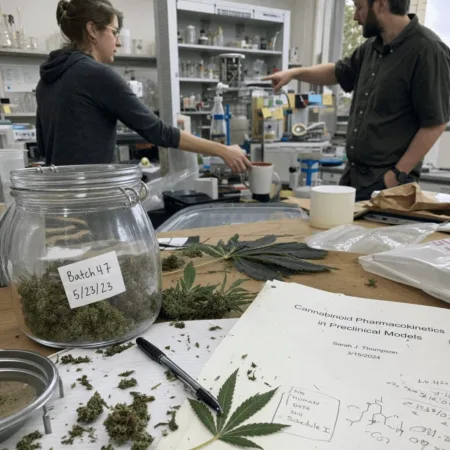
If you’ve been keeping an eye on cannabis news, you know the market’s buzzing again—this time about the medical promise of cannabinoids antibacterial agents. With antibiotic resistance reaching crisis levels, researchers are digging deeper into new compounds. Enter cannabinoids as antibacterial agents—a groundbreaking trend with the potential to shake up both medicine and the cannabis industry. In this article, we break down why cannabinoids antibacterial agents matter more than ever, explore the science, analyze the latest news, and look at what it could mean for the future of healthcare and cannabis.
The Big Picture: Regulatory, Social, and Market Forces Shaping Cannabinoids Antibacterial Agents
Cannabis is no longer just a counterculture staple, it’s shaking up mainstream science, especially as regulators, researchers, and industry players hunt for next-gen therapies. In the U.S., cannabis policy shifts, like federal rescheduling discussions and state-level legalization, are driving more academic and pharma collaborations. For example, changing hemp regulations in America are a key driver, as many are now examining how fresh rules could shape the green frontier. Meanwhile, the rise of drug-resistant bacteria has the Centers for Disease Control and Prevention ringing alarm bells about public health. This crisis is opening doors for novel antimicrobial strategies, including cannabinoids antibacterial agents. The cannabis sector has witnessed a surge in research funding, with international bodies such as the World Health Organization calling for exploration of new antibacterial pathways. Medical institutions and biotech firms are investing heavily, amid shifting regulatory landscapes that are making cannabinoid research more feasible and attractive.
Latest Breakthroughs: What’s New With Cannabinoids Antibacterial Agents?
The highlight in recent literature is a peer-reviewed study published on PubMed that takes cannabinoids antibacterial agents to the big leagues. Researchers spotlighted CBD (cannabidiol) and its lesser-known cousins like cannabigerol, finding potent antibacterial activity against a range of hardy bacteria, even strains resistant to standard antibiotics. Importantly, the study showed cannabinoids working via unique mechanisms, sidestepping some traditional resistance tactics. This discovery, reported in early 2024, comes at a time when Big Pharma (think Pfizer and Novartis) face mounting pressure to innovate against superbugs, as noted by Nature News. Besides university labs, companies in the cannabis bioscience space are collaborating with public health agencies to move cannabinoids antibacterial agents research from the lab to the clinic. As new legal precedents change the landscape, recent lawsuits in places like Michigan can also shape what comes next for cannabis antibacterial advances, as seen in the state’s supply dispute verdict. Meanwhile, U.S. regulatory agencies continue to weigh rescheduling cannabis, which could further accelerate both research and market adoption.
Expert Analysis: The Wider Cannabis Industry & Pro-Cannabis Insights
So why does this all matter? For starters, cannabinoids antibacterial agents could open a completely new front in the war on drug-resistant infections. Industry expert Dr. Ethan Russo, renowned neurologist and cannabis researcher, commented in a recent Leafly interview: “Cannabis has enormous untapped potential as a source of antimicrobial agents. We’re just scratching the surface.” The cannabis market is also taking note, industry analysts say biotech investments in cannabinoid research have doubled over the past two years (according to MJBizDaily market data). In light of new legal amendments and reforms taking place in states like Missouri, the regulatory climate for cannabinoid innovation is improving, as highlighted by recent changes for legalization and reform. This shift isn’t lost on doctors or patients, as alternative medicines gain more legitimacy. Even skeptics in academia now admit cannabis compounds may move beyond lifestyle branding to credible clinical applications. The ripple effect: potential new revenue streams for licensed producers, renewed public interest in plant medicine, and more support from lawmakers encouraged by real-world results. It’s a win-win, public health benefits, business opportunities, and changing attitudes all at once.
The Road Ahead: Hope, Breakthroughs, and the Next Era for Cannabinoids Antibacterial Agents
The future for cannabinoids antibacterial agents is looking bright—and not just for hardcore cannabis fans. With increasing scientific validation, more open regulatory attitudes, and public hunger for new solutions, the stage is set for cannabinoids to become main players in medicine’s next chapter. As emerging evidence keeps rolling in (for example, the Journal of the American Medical Association recently highlighted the need for non-traditional antimicrobials), influential voices in science and policy are pushing for greater research access. That means more clinical trials, clearer product standards, and safer treatments down the line. Whether you’re team THC, CBD, or more of a casual observer, one thing’s clear—the evolving story of cannabinoids as antibacterial agents isn’t just cannabis hype. It’s a reflection of broader change: innovation, acceptance, and a health revolution rooted in the power of the plant. Stay tuned, because the best is yet to come.
Originally reported by: pubmed.ncbi.nlm.nih.gov