



Texas Cannabis Policy Conference: Insights & Trends You Can’t Miss
If you’re tracking the rapidly shifting cannabis scene in Texas, there’s no way you can ignore the Texas cannabis policy conference. With major legislative rumblings, breaking market news, and fiery debates hitting headlines, this event shines as the no-B.S. hub for anyone serious about navigating the state’s evolving cannabis policy. The conference raises vital questions about evolving laws, social impacts, and the economic momentum building in the Lone Star State. Here’s why this conference is right on time, and what you need to know about the pivotal discussions going down.
Understanding the Policy Landscape: Cannabis in Texas
Texas has always been both a challenge and an opportunity for cannabis reform. While a majority of Americans now support full legalization, Texas remains a battleground state. A limited medical cannabis program has been in place since the Compassionate Use Act launched in 2015. Since then, Texas lawmakers and advocacy groups have sparred over expanding qualifying conditions and possession limits. Social acceptance continues to grow, with over 60% of Texans surveyed in June 2023 supporting broader legalization (according to a Texas Tribune report). In examining state and local developments, it’s insightful to compare Texas with other states where similar debates over medical marijuana access, enrollment, and future prospects are ongoing, such as Pennsylvania’s evolving landscape as more residents rethink access and regulatory trends (read more). Yet, significant legal and political barriers persist, fueled by conservative resistance and logistical hurdles tied to law enforcement and regulatory processes. Nationally, Texas stands out for its size, sway, and slow rollout of reforms compared to states like California or Illinois. Numerous legal experts highlight how Texas, with its outsized population, could change the national cannabis landscape if substantial reforms pass (as noted by Forbes).
Key Developments & Issues: Big Moments at the Texas Cannabis Policy Conference
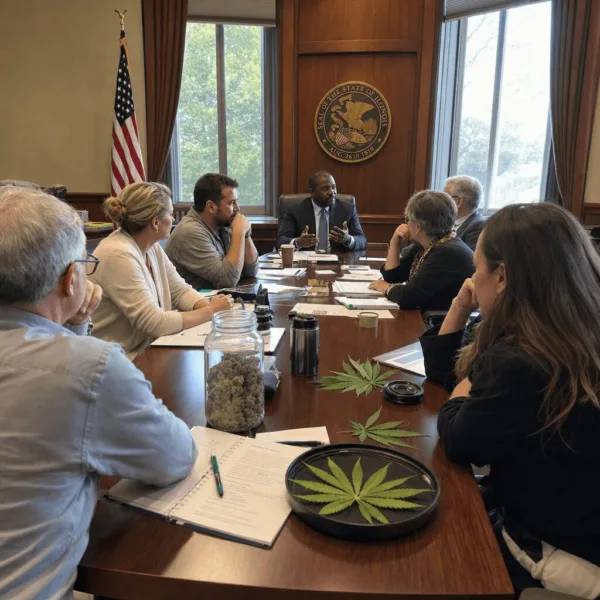
The Texas cannabis policy conference, a flagship event hosted by Foley Hoag LLP in January 2026, drew in legal experts, industry leaders, lawmakers, and grassroots organizers from across the country. According to the official event listing, panels dived deep into ongoing legislative efforts to amend the Compassionate Use Program (CUP). Notably, the conference highlighted the push to increase THC potency limits and to broaden access for additional medical conditions, particularly chronic pain and PTSD. There were also strategic sessions focused on improving licensing frameworks and ensuring fairness for minority-owned operators—a huge issue as noted by Marijuana Moment. Regulatory compliance challenges were debated in detail, with many participants dissecting differences between state rules and tough federal prohibitions. Ongoing battles over local decriminalization ordinances in cities like Austin and Denton were also spotlighted, with advocates and municipal leaders discussing ballot measures aimed at reducing low-level possession arrests. Recent developments and surprising outcomes from local hearings, such as those with far-reaching implications for regional cannabis policy (explore implications), provide further perspective on the evolving landscape. The event was peppered with updates from legal analysts citing pending bills in the Texas House and anecdotal insight from operators on the day-to-day realities of running compliant businesses in a fast-changing legal context.
Expert Analysis & Pro-Cannabis Perspective
The discussions at the Texas cannabis policy conference underscored a consensus: the current legal patchwork is holding Texas back from reaping the full benefits of cannabis reform. States with robust adult-use laws, like Colorado and California, see major tax windfalls and plummeting illicit-market activity (National Conference of State Legislatures), and similar trends are emerging in places where cannabis tax revenues are surging and impacting local economies (see more on local impact). Texas, by contrast, is leaving significant economic gains on the table. Moreover, conference experts argued passionately that science and lived experience support greater access—pointing to evidence that cannabis can be a safer alternative to opioids for pain management (substantiated by peer-reviewed medical literature). As one panelist, Dr. Charlene Hunter, long-time Texas policy advocate, said: “Policy lag is costing Texans, not just dollars, but real quality of life. With smarter, compassionate regulation, everyone wins.” Industry analysts present expressed hope that mounting public pressure and economic opportunity will finally push hesitant lawmakers to act. What’s clear is that Texas has the brains and drive to make history, if leaders are willing to listen and learn from both failures and successes in other states.
Future Outlook: Where Does Texas Go From Here?
The momentum from the Texas cannabis policy conference feels different this year—optimism, but with a necessary edge of urgency. Industry insiders, informed lawmakers, and everyday Texans are increasingly united in seeing cannabis policy as a mainstream issue, not a fringe debate. If legislative trends hold and ballot initiatives continue to pick up steam, Texas could move from the sidelines to the national spotlight as a driver of equitable policy reform. As NORML and other advocacy organizations emphasize, ongoing public engagement and smart, inclusive legislation can open the door for a thriving, responsible cannabis market. Ultimately, the Texas cannabis policy conference stands as proof that, with expert minds and bold voices at the table, the Lone Star State’s cannabis future looks brighter every year.
Originally reported by: foleyhoag.com
1 Comment
Pingback: Texas Cannabis Policy Conference: Shape the Future of Cannabis Laws