






PA medical marijuana enrollment: Discover Surprising Trends
In 2024, Pennsylvania’s medical cannabis scene is buzzing with unexpected changes. Recent shifts in PA medical marijuana enrollment trends are grabbing attention. Lawmakers, doctors, and everyday patients are all asking the same question—why the drop-off, and what does it really mean? As the industry moves forward, it’s crucial to dig deep into the numbers, legal quirks, and cultural shifts affecting cannabis access in the Keystone State.
Understanding PA’s Medical Marijuana Landscape: Laws, Markets, and Social Shifts
When Pennsylvania’s medical marijuana program launched in 2016, it was hailed as a significant step forward. The Medical Marijuana Act made access possible for thousands, following the lead of other pioneering states—recent experiences in places like Ohio, for example, have spurred debate over how shifting legalization hopes can affect state-level reforms (Ohio Marijuana Petition Rejection). But unlike more liberal states, Pennsylvania rolled out with tight controls. Patients need a certified doctor, must qualify under a set list of conditions, and register for a state-issued card.
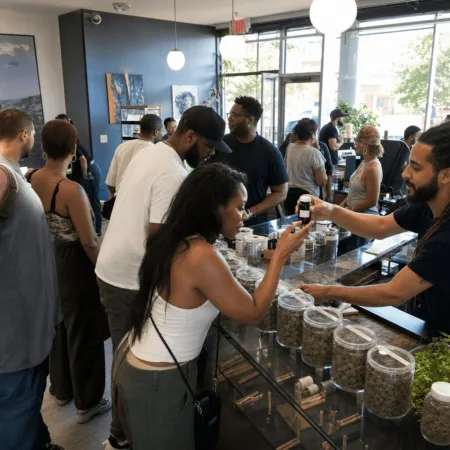
The result? Early surges in PA medical marijuana enrollment. Dispensaries cropped up near Pittsburgh, Philly, State College, each eager to ride the green wave. However, the program’s tight regulations, restrictions on product forms (no flower until 2018), and annual card renewals all made for a unique dynamic. Over the years, industry analysts and advocacy groups like NORML have highlighted the impact of local politics, stigma, and federal law on how patients, providers, and businesses navigate PA’s scene. Even as CBD and hemp grow popular, the state’s medical program must still adapt to shifting social attitudes and market pressures—including cultural debates similar to those seen during high-profile cannabis referendum campaigns in other Northeast states (Maine Marijuana Referendum Sparks Fierce Debate).
The Facts: 2024 Enrollment Drop, Market Pressures, and Real-World Impacts
Here’s the core of the issue: In early 2024, officials flagged a notable dip in PA medical marijuana enrollment, according to regional reporting (WTAJ News). State health department data shows that enrollment, once climbing past 700,000, has stagnated and even declined. Local dispensary staff mention fewer newcomers this year—echoing the kinds of real-world market pressures felt when tax revenue surges or declines hit midsize cities (Mansfield Cannabis Tax Revenue Surges: What It Means for the City)—while existing patients fuss over prices and supply hiccups.
Industry voices—with some having experience in Illinois and Maryland—notice similar slowdowns as markets mature, competition heats up, and regional differences become apparent. This isn’t unique to Pennsylvania since states with robust programs often see an initial enrollment boom, then a reckoning as the realities of product costs, insurance coverage gaps, and access issues set in. Black market alternatives further muddy the waters, and enforcement varies by region (Filter Mag: Pennsylvania Marijuana Reforms).
Legal updates further complicate matters. Federal legalization remains elusive, but advocates point to recent moves—such as proposed bills in Congress and evolving state-level policies—hinting at broader changes ahead. Patients, meanwhile, wrestle with mandatory annual renewal fees, paperwork snarls, and inconsistent doctor access, all of which add friction to steady PA medical marijuana enrollment. Instances in other states, such as school policy shifts affecting cannabis access, also spotlight the intersection of law, community trust, and patient realities (CREC school security arrest: Cannabis, community trust, and urgent lessons in Bloomfield).
Expert Analysis: What’s Behind Enrollment Changes and What Can We Learn?
Cannabis policy experts see a classic case of growing pains in PA medical marijuana enrollment. When new programs open, pent-up demand bursts onto the scene. But as infrastructure matures, both barriers and competition increase. Dr. Peter Grinspoon, a well-known cannabis medicine specialist, explains: “When policy lags behind patient need or pricing gets out of reach, it’s no surprise some folks pause before renewing cards” (Harvard Health Blog).
Other seasoned players echo these observations. According to data from the Marijuana Business Daily, market contractions hit mature states first. Product oversupply, price drops, and changing consumer habits all play a part.
There’s a wild card worth noting: the cultural shift. Increasingly, Pennsylvanians talk openly about cannabis, but stigma hasn’t vanished. Rural communities, for instance, still see uneven access and skepticism from local providers. At the same time, CBD shops and unregulated products often rival dispensaries on cost and convenience, undercutting the program’s intended reach and reliability. Market uncertainties similar to those faced by emerging New York cannabis businesses suggest that maturing programs everywhere encounter both new challenges and breakthroughs (New York Cannabis Industry: Is It Ready for the Next Big Breakthrough?).
The upshot? This phase of dip-and-plateau in PA medical marijuana enrollment isn’t doom and gloom. It’s a signpost of a system maturing, as both government and industry work through real-and-raw feedback from patients and practitioners.
The Road Ahead: PA Cannabis Industry’s Evolution Continues
Even as PA medical marijuana enrollment hits road bumps, signs point toward a dynamic future. Lawmakers keep floating bills to expand qualifying conditions, reduce annual fees, and streamline patient renewals. Advocacy is strong, and more healthcare providers are undergoing cannabis training—a trend (STAT News notes) nationwide.
The long game? Expect bigger debates about full adult-use legalization. Many believe the current data reveals a need for broader, less-restrictive access to cannabis—something neighbors in New York and New Jersey have already enacted. Attitudes are warming, science is catching up, and, most of all, Pennsylvanians are just plain curious about what comes next.
In the end, this shift in PA medical marijuana enrollment doesn’t mean the movement’s slowing—it signals a coming transformation. And if you ask longtime advocates (myself included), that change is exactly how progress is made in cannabis culture. Stay tuned: the story is still being written, one step at a time.
Originally reported by: wtaj.com

1 Comment
Pingback: PA medical marijuana enrollment: Surprising Trends & Insights