





Ohio Marijuana Petition Rejection: What This Means for Legalization
The ohio marijuana petition rejection is grabbing attention as Ohioans, eager for cannabis reform, watch legislative battles heat up. This isn’t just paperwork; it’s about the real struggle behind statewide legalization and shifting social attitudes. The recent move by Ohio officials to reject a ballot petition puts the spotlight on both challenges and opportunities facing local advocates. Let’s unpack what happened, what’s brewing under the surface, and why this shakeup matters right now for anyone invested in cannabis progress.
Understanding Ohio’s Regulatory Landscape, The Roadblocks to Legal Cannabis
Ohio has always walked a complex road when it comes to cannabis law. The state joined the medical marijuana movement in 2016, but after that milestone, progress slowed. As NORML highlights, medical dispensaries face tough regulations, and adult-use marijuana legalization is a constant tug-of-war. Ohio’s current system heavily restricts cannabis use and cultivation, allowing only patients with qualifying conditions access. Social attitudes have warmed, recent polls by Ohio State University show that a majority of Ohioans now support legalization. But at the regulatory level, signature requirements, summary wording standards, and legal review hurdles create real obstacles, as seen with this ohio marijuana petition rejection. These built-in institutional checks slow reform, even as public sentiment pushes for change. For context on similar challenges elsewhere, see how local hearings can hold significant sway, as in Virginia communities debating cannabis legalization.
Inside the Ohio Marijuana Petition Rejection, What Went Down?
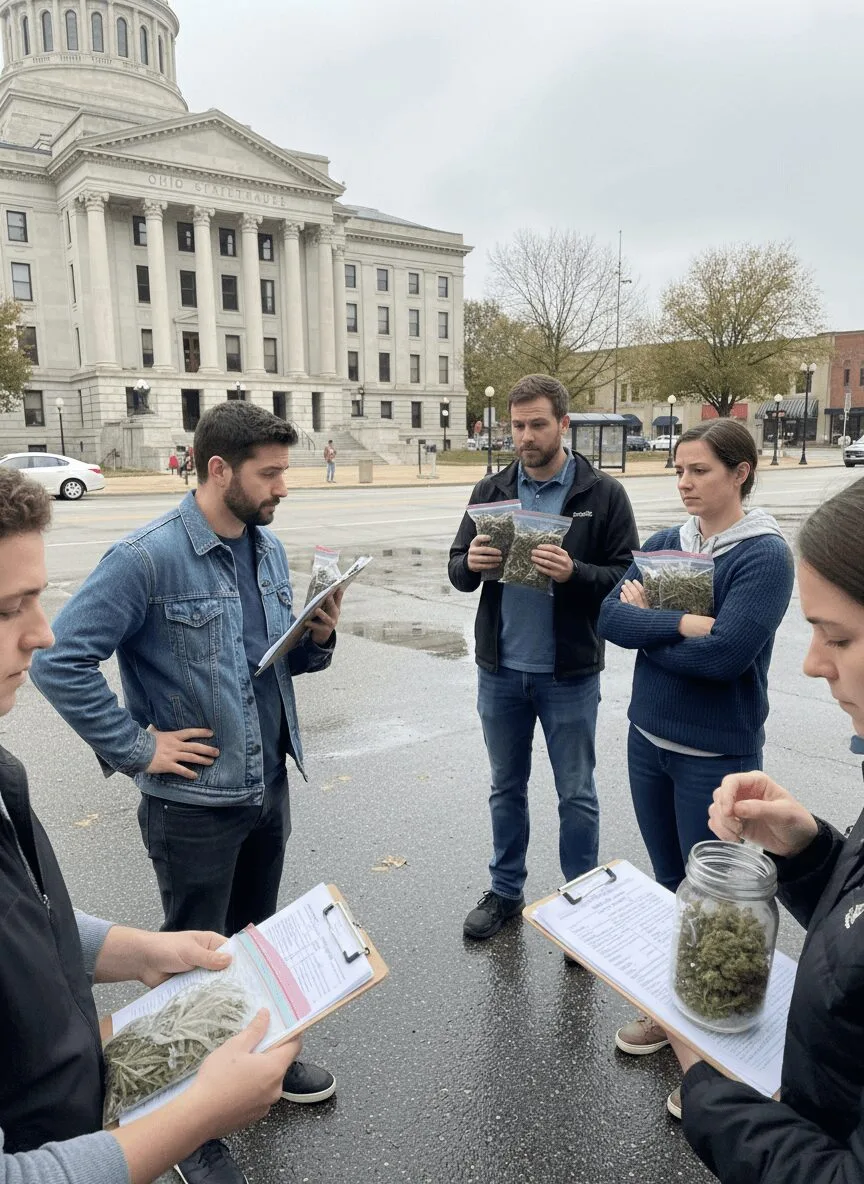
Let’s get specific. On June 5, 2024, Ohio Attorney General Dave Yost rejected the summary language of a proposed recreational cannabis ballot initiative, according to a detailed breakdown by WFMJ News. The group behind this petition—Coalition to Regulate Marijuana Like Alcohol—wanted Ohio voters to decide whether adults 21+ could legally possess, purchase, and cultivate marijuana. However, Yost’s office found the summary “misleading” and said it didn’t properly explain all aspects of the proposed law, especially concerning limits, licensing rules, and penalties. Supporters, holding hundreds of clipboards and tens of thousands of voter signatures, were left in limbo. In Ohio, the process of having to revise and resubmit such petitions is not unique; as seen in other states, misrepresentation or technicalities can lead to similar hurdles during marijuana referendums. Now, organizers must revise and resubmit the summary, a frustrating but not uncommon step in Ohio’s direct democracy process. This ohio marijuana petition rejection remains a pivotal setback for the year’s legalization movement, underscoring the red tape and close scrutiny facing cannabis reform in the state.
What This Means, Industry Insights and Expert Takes
This isn’t just bureaucracy, the stakes are high for Ohio’s cannabis market and culture at large. Industry experts note that each ohio marijuana petition rejection delays potential economic gains, stalls criminal justice reform, and frustrates medical patients awaiting broader access. “Ohio is slowly catching up to national trends, but each rejected petition is a lost opportunity for tax revenue and public health benefits,” argues Marijuana Moment editor Kyle Jaeger. Other analysts warn that summary rejections, often due to technicalities, have a ripple effect across communities. These actions can impact local economies, as seen when cannabis tax revenue surged in Mansfield following favorable policies. Industry reports from New Cannabis Ventures highlight that when neighboring states like Michigan and Illinois went legal, demand surged, and a domino effect followed. If Ohio legalizes adult-use cannabis, experts expect a multi-billion dollar market and a rapid transformation of Midwestern marijuana culture.
Looking Forward: What’s Next After the Ohio Marijuana Petition Rejection?
While this ohio marijuana petition rejection stings, it’s far from the end of the line. Advocates know setbacks are just part of the process—especially in a state where every comma and clause is scrutinized. What matters is the energy behind the movement. With public support at an all-time high and new ballot language already in the works, Ohio’s cannabis campaign remains resilient. Regulatory improvements, like clearer summary requirements and more transparent review timelines, could smooth the road ahead. As Leafly reports, every delay galvanizes supporters and raises the pressure for lawmakers to act. Expect Ohio’s marijuana saga to stay in the spotlight—with the promise of growth, social acceptance, and better access on the horizon.
Originally reported by: wfmj.com



1 Comment
Pingback: PA medical marijuana enrollment: Discover Surprising Trends