




Cannabis Worker Protections: Governor Murphy’s New Law
The cannabis industry just witnessed a huge shift with Governor Murphy signing a groundbreaking law that advances cannabis worker protections. Right now, as this market continues to expand and legitimize, workers are stepping into the spotlight, demanding fair treatment and solid rights. As states like New Jersey make headlines with new laws, it’s clear that cannabis worker protections aren’t just a trend—they’re quickly becoming a core part of the industry’s future. We’ll break down what this new legislation means, how it fits into evolving regulations, and why everyone in the space should be paying close attention.
Background: The Rise of Cannabis Worker Protections and Regulation
The legal cannabis industry hasn’t always been a safe bet for workers. Early on, the focus was mostly on compliance, supply chain, and the evolving patchwork of state policies regulating cannabis. However, as described by NORML, the drive toward full social legitimacy has brought labor rights and workplace safety into sharper focus. In some regions, local activism and ballots have resulted in shifting laws and workplace standards, similar to what’s happening with cannabis law changes and community debates in Maine, as seen in places like Livermore Falls. With increasing unionization efforts—including the rise of cannabis worker unions in states like Illinois, California, and New York—employee protections are now seen as central to sustainable industry growth. New Jersey’s movement toward stronger cannabis worker protections is both a reflection of and catalyst for this broader shift, following in the footsteps of recent victories in other industries, and escalating demands for dignity, safety, and job security.
Key Developments: Governor Murphy’s Landmark Move
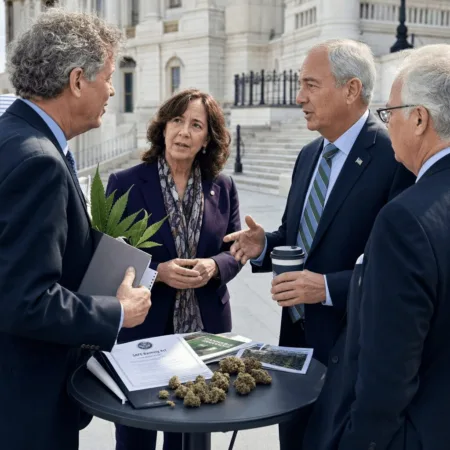
On a sunny day in early June 2024, New Jersey Governor Phil Murphy signed sweeping cannabis worker protections into state law, a move celebrated by advocates and workers across the market. According to Morningstar Business Wire, the law enshrines crucial rights, including anti-retaliation measures so workers feel safe reporting violations, protection from unfair dismissals, and stricter safety protocols for dispensary and cultivation employees. The legislation also legally requires cannabis companies in New Jersey to engage in fair negotiations with unions, making it much harder for employers to sidestep collective bargaining or undercut worker organizing. The law’s passage came after months of lobbying from groups like UFCW Local 360, who helped spotlight unsafe conditions and advocate for fair wages. The increased focus on workplace safety also connects to trends seen nationally as digital interventions for substance use start to impact young adult wellness and workplace dynamics, such as how technology is reshaping support systems. Implementation began immediately, with state regulators already ramping up inspection programs and compliance checks as workplaces adjust to new requirements. This legislative win sets a strong new benchmark for cannabis worker protections nationwide.
Expert Analysis: How Cannabis Worker Protections Change the Game
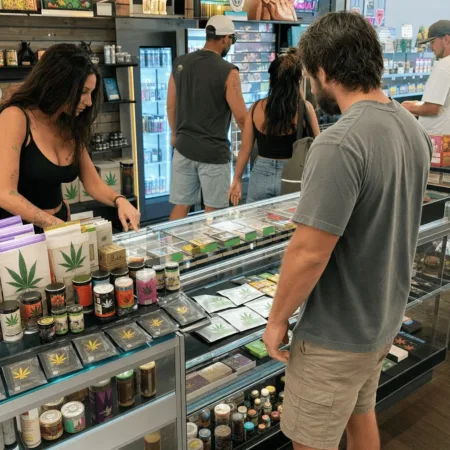
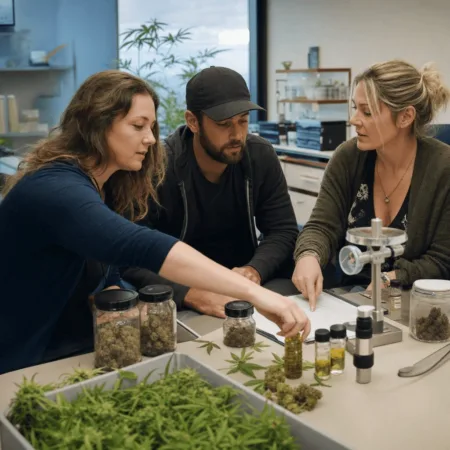
This bold legal shift speaks volumes about the maturation of cannabis as an industry, and what it means for people on the frontlines. Experts like Amanda Reiman, a respected researcher and cannabis policy advocate, note that, “Protecting workers is about more than compliance, it’s about building a sustainable, respected industry” (Leafly Industry News). As more attention is focused on the lived realities of cannabis workers—from budtenders to grow site trimmers—broader stakeholders are finally recognizing that worker dignity and health directly relate to business quality and community perception. These shifts echo recent discussions on how regulatory changes, such as those affecting the Massachusetts cannabis market and contentious ballot measures, have left voters and the industry at a crossroads, especially as described in recent voting controversies. Policies like New Jersey’s offer real leverage, not just wishful promises or vague HR handbooks. They provide clear recourse if something goes wrong. Industry observers point out that strong cannabis worker protections will likely translate into lower turnover, better products, and a more diverse, enthusiastic workforce. And as regulatory bodies and advocacy groups collaborate, the entire sector could benefit from greater professionalism and trust from the public.
Looking Ahead: Cannabis Worker Protections Fuel Industry Momentum
The newest wave of cannabis worker protections signals dramatic progress—both for those working in the field and for the market as a whole. As New Jersey leads by example, other states are expected to follow, bringing badly needed consistency and fairness industry-wide. Forward-thinking operators who embrace these changes will likely see business benefits and worker loyalty increase. Social acceptance of cannabis continues to rise, especially when paired with evidence of responsible, equitable treatment of its workforce. The future looks bright: we’re witnessing the emergence of a cannabis culture that values both the product and the people behind it. According to insights from Marijuana Moment, this new era of cannabis worker protections could redefine standards for all who participate in this fast-evolving landscape.
Originally reported by: morningstar.com