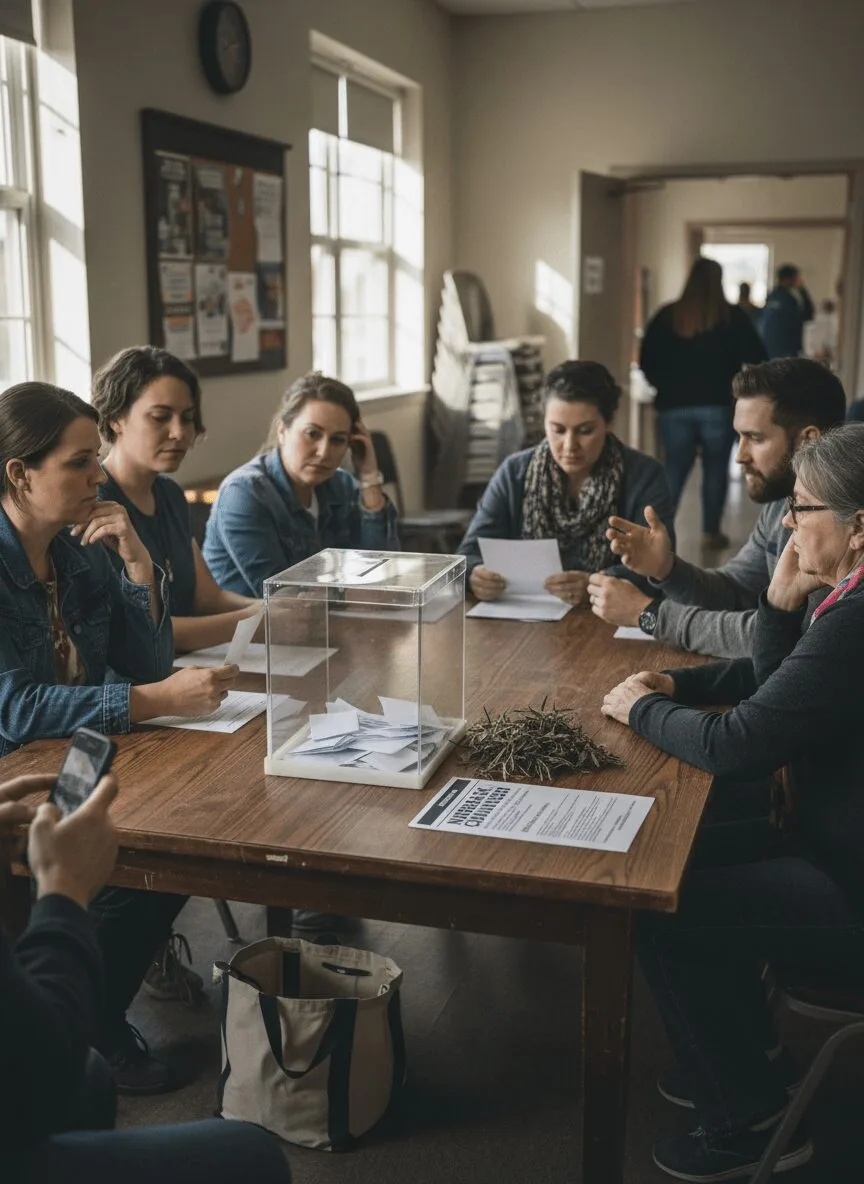
Here in Nebraska, the Nebraska cannabis commission elections are quickly becoming a hot topic. With the political climate evolving and medical cannabis firmly in the public eye, voters now have a real opportunity to impact how cannabis oversight works statewide. Thanks to recent legislative proposals and rising public engagement, it’s more important than ever to understand how these elections affect access, fairness, and the cannabis industry’s trajectory in Nebraska. Let’s break down why your vote—and your voice—matters right now, and what’s at stake as Nebraska weighs big changes to its cannabis future.
Understanding the Nebraska Cannabis Commission Elections, Background & Context
To get what’s happening with the Nebraska cannabis commission elections, you need some solid background. Historically, Nebraska’s cannabis laws have been among the strictest in the Midwest. Despite the medical cannabis wave sweeping the country, Nebraska has clung to prohibition, often landing local patients and advocates in a legal gray zone. According to the National Organization for the Reform of Marijuana Laws (NORML), efforts to loosen legislation have regularly faced strong resistance in the Nebraska Unicameral Legislature. However, change is brewing, growing public support, shifting national sentiment, and persistent grassroots lobbying are putting real pressure on lawmakers. In this context, the push to make the Nebraska Medical Cannabis Commission an elected body, rather than an appointed one, is a direct response to concerns about transparency, public representation, and fair oversight.
Across the U.S., there’s a clear trend, more states are giving voters a bigger role in determining who oversees cannabis markets. For example, in Ohio, recent record-breaking sales have demonstrated how local growth and voter involvement can change the landscape, as seen in Ohio marijuana sales igniting local growth. As cited by Marijuana Moment, states like Michigan and Colorado have seen notable improvements in trust and regulatory efficiency where commission seats are filled by election, not appointment. The Nebraska cannabis commission elections reflect this broader movement, aiming to put power back in the hands of everyday Nebraskans, especially those impacted by past prohibition policies.
Key Developments & Policy Shifts in Nebraska Cannabis Commission Elections
The real kicker? Earlier this year, Nebraska cannabis commission elections became a headline when a newly proposed bill sought to transform the state’s Medical Cannabis Commission from an appointed to an elected panel. As originally reported by the Nebraska Examiner, lawmakers argued this change would boost public trust by giving Nebraskans direct influence over who regulates their medical cannabis program.
Specifics from the draft bill reveal that commissioners would serve staggered four-year terms, with candidacy requirements ensuring both professional expertise and commitment to patient welfare. The proposed law responds to persistent local criticism that appointments are too easily swayed by political favors rather than community priorities. Notably, the bill’s introduction follows years of frustration, as voters have repeatedly tried, but failed, to get medical cannabis legalization on the ballot via signature drives. For patients in states like Alabama, where recent updates on medical marijuana have changed access and doctor participation, as detailed in the latest Alabama medical marijuana update, Nebraska’s potential shift signals that legislative attitudes may be warming to reform, even as federal law remains unchanged.
For context, the commission’s core responsibilities would include licensing dispensaries, ensuring consumer safety, and advising the Unicameral Legislature on cannabis science and access. Moving to an elected structure would bring Nebraska in line with a growing cohort of states where voters demand more say in cannabis oversight, shifting from a top-down approach to one grounded in real-world community needs, according to Leafly’s political coverage.
Expert Analysis & Pro-Cannabis Counterpoints
Here’s what’s really game-changing about the Nebraska cannabis commission elections, shifting oversight from appointment to election isn’t just a procedural tweak, it’s a major transparency upgrade. Across other states, industry veterans and advocates agree elected commissions are less likely to be shackled by outdated stigma and more motivated to represent medical patients and responsible business leaders. As expert Dr. Amanda Reiman, Director of Research & Patient Advocacy for New Frontier Data, puts it, “Giving voters a direct say in cannabis regulation ensures that policies reflect the lived realities and diverse needs of communities.”
Beyond democratizing the process, bringing cannabis oversight into the public sphere can tamp down corruption, cut out industry gatekeeping, and promote best practices from day one. Multiple industry reports, including those by Cannabis Business Times, have highlighted that states with elected commissions tend to roll out regulatory changes more efficiently, implement consumer safety measures sooner, and build public trust faster. This is extra critical in Nebraska, where skepticism runs deep and legacy stigma remains thick. In markets such as Massachusetts, despite market challenges, legal cannabis has seen record sales highs, demonstrating the urgency of responsive regulation and public trust, as reflected in Massachusetts cannabis sales surging to record highs. Allowing Nebraskans, not just bureaucrats, to decide who runs their cannabis programs isn’t just good politics, it’s good policy.
Still, critics argue that elections could politicize cannabis oversight. But in practice, the transparency and accountability that come with elections have resulted in more compassionate, responsive regulation, something patient advocacy groups and industry experts alike have championed from coast to coast.
Future Outlook & Positive Conclusion
Looking ahead, the Nebraska cannabis commission elections offer more than policy tweaks—they’re a sign of Nebraska’s broader readiness to engage with the cannabis industry in a thoughtful, community-oriented way. If these reforms pass, Nebraska could see a fairer, more effective regulatory framework, increased investment, and new opportunities for patients, entrepreneurs, and communities alike. As more states embrace similar changes, the momentum points toward national normalization—something supported by public opinion research like the Pew Research Center, which finds most Americans back adult and medical cannabis access. Nebraska’s move to bring elections into cannabis oversight is a big leap toward transparency and representation—and a reminder that even in a tough regulatory environment, positive change is possible when voters get the final say. Keep watching; the green wave in the Cornhusker State is only just forming.
Originally reported by: nebraskaexaminer.com