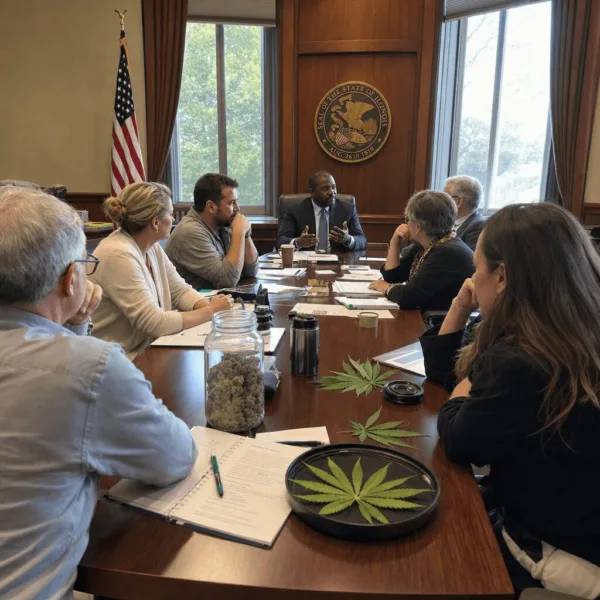



Cannabis Rescheduling Science: What Changes for Research?
Alright, cannabis lovers and science nerds, here’s the deal—things are heating up in the cannabis rescheduling science world. With policymakers finally considering moving cannabis out of the old-school Schedule I box, the whole research scene is buzzing. So, what does this really mean for nerds in lab coats and for anyone watching the government try to catch up? Buckle up. We’re diving into why cannabis rescheduling science matters now, what’s at stake for researchers, and how these changes could ripple through the industry.
The Rocky Groundwork: Context for Cannabis Rescheduling Science
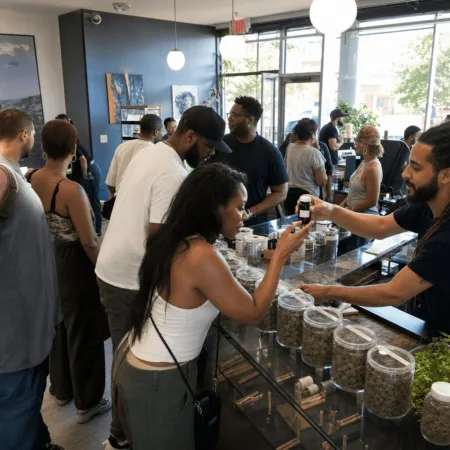
The intersection of cannabis and research has always been a legal obstacle course. For decades, cannabis sat cold in the DEA’s Schedule I, which is the highest restriction, right alongside heroin and LSD. That label meant ‘no accepted medical use’ and ‘high abuse potential,’ tying the hands of researchers and making access to study material a bureaucratic nightmare. According to NCSL, over 38 states now have medical marijuana programs, and the public’s mood has evolved faster than federal rules. The FDA’s cautious approach is beginning to shift, with calls to recognize new science and emerging studies. Markets have boomed despite the federal gridlock, creating a paradox where millions of Americans legally use a plant that scientists struggle to study. Just as local communities are adapting to the new era of regulated cannabis, such as the celebration of new dispensary openings in places like Watertown, the push for cannabis rescheduling science is gaining traction because everyone, from doctors to patients, advocates to analysts, knows it’s time for policy to catch up with reality.
Big Moves & Buzzkill Obstacles: Recent Developments in Cannabis Rescheduling Science
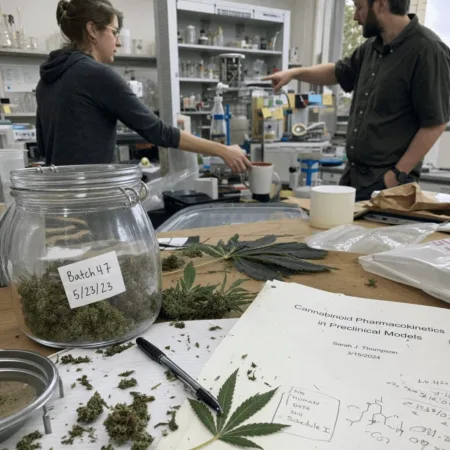
Let’s get into the juicy details. In 2024, the U.S. Department of Health and Human Services formally recommended that the DEA reclassify cannabis from Schedule I to Schedule III, citing new medical evidence and emerging industry standards according to The New York Times. This sparked hope among scientists yearning to access higher-quality cannabis for research, as current studies often rely on low-potency samples from the National Institute on Drug Abuse. University labs across Michigan, Illinois, and California have been preparing for expanded trials, itching to probe deeper into therapeutic applications like chronic pain, PTSD, and epilepsy. The Biden Administration has signaled growing political will, while the FDA is now under mounting pressure to re-examine outdated cannabis policies. Recent legal changes, particularly the evolution of federal marijuana business laws and clarifications for entrepreneurs, reflect the demands for modernization. Despite this, the DEA’s review process grinds slowly. As of June 2024, no final decision had landed, but legal pundits and industry insiders agree, momentum is unstoppable. Meanwhile, according to Leafly, rescheduling would help fuel a multi-billion-dollar industry by opening the doors to tax breaks and less regulatory hassle. Still, there’s tension: outdated stigmas, patchwork state laws, and unclear federal enforcement cloud the path ahead.
Expert Take: What Rescheduling Really Means for Cannabis Science
Alright, let’s drop some wisdom from the frontlines. If cannabis is bumped to Schedule III, doors will swing open for research, with scientists gaining access to higher quality, more diverse cannabis, getting closer to what people actually use. As Marijuana Moment editor-in-chief Kyle Jaeger puts it, “Rescheduling would not only expand research opportunities, but would legitimize cannabis as a subject for serious scientific scrutiny.” That’s no small thing. Access to federal grants, streamlined supply chains for cannabis samples, and the ability for universities to research without risking funding—all these could become real. Recent research offers fresh insights, such as studies into the cognitive effects of cannabis among seniors, highlighting the kind of science rescheduling may finally enable. Industry leaders argue that this could set the stage for new cannabinoid therapies, define dosing standards, and bust persistent myths. Still, some researchers warn that rescheduling alone isn’t a magic bullet—state restrictions, stigma, and red tape still slow progress. Yet, according to reports from NORML, international interest is rising and the U.S. is poised to catch up in the global cannabis science race if regulators pull the trigger on change.
The Path Forward: Blazing Trails in Cannabis Rescheduling Science
If you’re invested in the future of cannabis rescheduling science, take a deep breath: the horizon is bright. The dominoes are lined up, and the urge to move cannabis research into the mainstream is getting louder from the lab bench to the halls of Congress. Regulatory shifts won’t solve everything overnight, but they’re breaking ground for broader, bolder studies and a smarter, more inclusive industry. The evidence is stacking up, as Health Affairs reports, showing both economic and medical upsides. With fresh data, diverse research topics, and a culture hungry for safer, more effective therapies, we’re witnessing a critical turning point. Here’s to a future where cannabis rescheduling science isn’t just a buzzword, but a legitimate, respected field improving lives every day.
Originally reported by: michiganmedicine.org