Pine County cannabis farms: Inside Minnesota’s Green Boom
It’s no secret: the North Star State isn’t just hockey, lakes, and loons anymore. The recent surge in Pine County cannabis farms has rocked local headlines and turned Minnesota into the Midwest’s new green hotspot. As legalization debates and market booms light up headlines, growers and advocates are reshaping Pine County’s legacy. From shifting regulations to big community transformations, we’re taking you deep into the fields, news, and undeniable energy driving Minnesota’s freshest cannabis frontier.
The Landscape Behind Pine County Cannabis Farms’ Rise
Pine County cannabis farms didn’t just pop up overnight. Let’s set the stage: Minnesota legalized medicinal cannabis in 2014 and opened the doors to adult-use legalization in August 2023, cementing a new era for cultivators (Minnesota Legislature). It’s not all laid-back vibes, though. Strict zoning, licensing challenges, and evolving social acceptance still define the terrain for these emerging farmers. Communities have raised real concerns about land use and safety, prompting ongoing legal debates and public hearings (Star Tribune). Meanwhile, booming demand—fueled by both local consumers and a steady flow of wellness-oriented tourists—keeps Pine County cannabis farms in the spotlight. For a national perspective on how federal marijuana business laws are shaping state-level dynamics, check out this important clarification on evolving federal regulations. As the industry grows, it’s changing the county’s economic profile, carving a distinct path from agricultural underdog to major green player. Critics worry about oversaturation and regulatory pressure, but most residents now see cannabis as a promising part of the area’s rural renewal, as confirmed by recent community surveys and state economic data (Minnesota DEED).
Recent News and Key Developments in Pine County Cannabis Farms
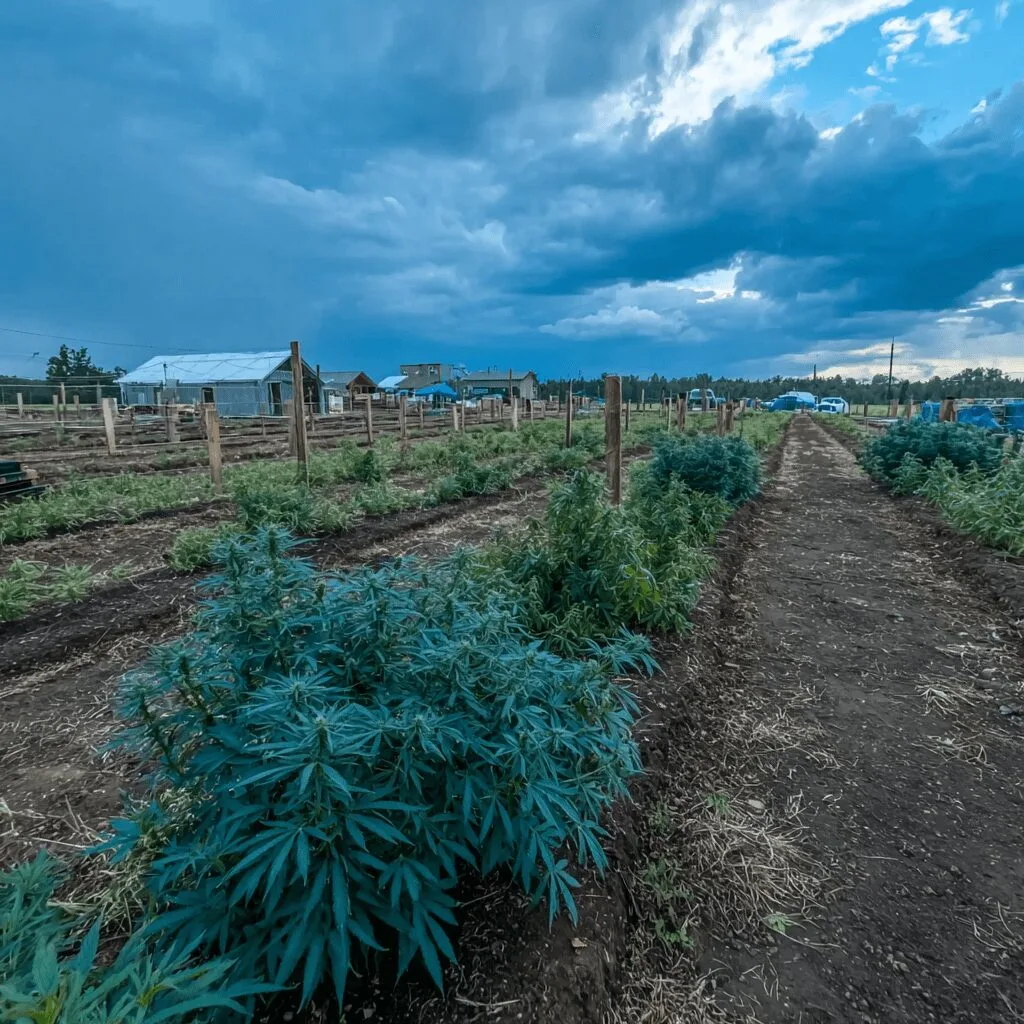
Earlier this year, local outlets reported a wave of new Pine County cannabis farms launching across the region, with dozens of small cultivators venturing into the open fields (Pine County News). That means new jobs, with farms like Northern Green and High Pines Collective employing both seasoned growers and curious locals. The county board recently adopted revised zoning ordinances to manage the expansion, balancing farm advocacy with neighbor input at heated council meetings. Recent developments mirror the surge in new cannabis business manufacturing seen in other regions, as facilities like Midwest Hemp Co-op’s processing plant and the Pine County Growers’ Market help connect local producers to Minnesota dispensaries and wellness shops—illustrating a trend discussed in cannabis facility growth.
Since August 2023, new licensing rounds have drawn crowds: over 30 permit applications landed at the Office of Cannabis Management, with officials reviewing requirements on water use, pesticide safety, and distance from schools. Key developments include the opening of Midwest Hemp Co-op’s processing facility and the Pine County Growers’ Market, which now connects producers to Minnesota’s dispensaries and wellness shops.
The local sheriff has weighed in, confirming there’s been “no major uptick in crime,” countering some early panic. Most farms use eco-friendly, regenerative practices, and several received agricultural innovation grants in 2024 for advancing greenhouse techniques (AgWeek). Community events like Pine City’s Green Harvest Festival have further normalized cannabis, attracting curious families and even a few skeptics hoping to learn more firsthand.
Expert Analysis and Pro-Cannabis Perspective on Pine County’s Boom
What does all this mean beyond the headlines? It’s simple: Pine County cannabis farms are redefining rural Minnesota’s reputation and economic status. As longtime cultivator and regional advocate Lisa Tran of the Minnesota Cannabis Association notes (Minnesota Cannabis Association), “Legal cannabis is more than a crop. It’s a community revitalizer, creating jobs and real revenue where local economies need it most.” The influx of younger growers, tech-savvy innovators, and legacy farmers has created a knowledge-sharing network that’s light years ahead of Minnesota’s hemp-only days. For perspective on how policy trends outside Minnesota set the stage, review the ways political opposition shapes the larger legalization debate.
Cannabis leaders emphasize the industry’s role in diversifying Pine County agriculture. As Dr. Ethan Russo wrote in MJ Biz Daily, “Emerging cannabis clusters often fuel regional growth, create eco-friendly farm models, and reshape public opinion.” This is evident across Pine County’s evolving landscape, where organic practices, pollinator-friendly buffer strips, and sustainable irrigation are becoming industry standards.
The broader Minnesota market is also taking cues from Pine County’s regulatory flexibility. Despite national banking and insurance obstacles, farms here have leveraged local lenders and regional supply chains to drive forward. Industry reports from Headset.io point to steady demand growth and increasing consumer preference for locally grown flower, which Pine County has capitalized on with its reputation for quality and transparency. Every sign points to Pine County cannabis farms as a Midwest case study in how communities and cultivators find common ground.
Outlook: Pine County’s Cannabis Community Grows Greener
Looking ahead, Pine County cannabis farms are poised to anchor Minnesota’s next decade of agricultural innovation and rural regeneration. State leaders plan to refine cannabis laws and licensing in the next legislative session, aiming to encourage small-batch cultivators while further protecting community interests (Minnesota Reformer). Public acceptance grows each day as well-known civic organizations, educators, and medical professionals begin collaborating with growers. The boom has already inspired other Minnesota counties to review their cannabis policies, hoping to replicate Pine County’s economic and social successes. Supported by research from agricultural and health authorities, there’s an overwhelming sense that Pine County cannabis farms won’t just weather the next phase—they’ll lead it. The bottom line? A vibrant, inclusive cannabis scene is becoming a defining part of Minnesota’s cultural and economic landscape, showing that rural communities can go green, thrive, and stay true to their roots.
Originally reported by: pinecountynews.com