

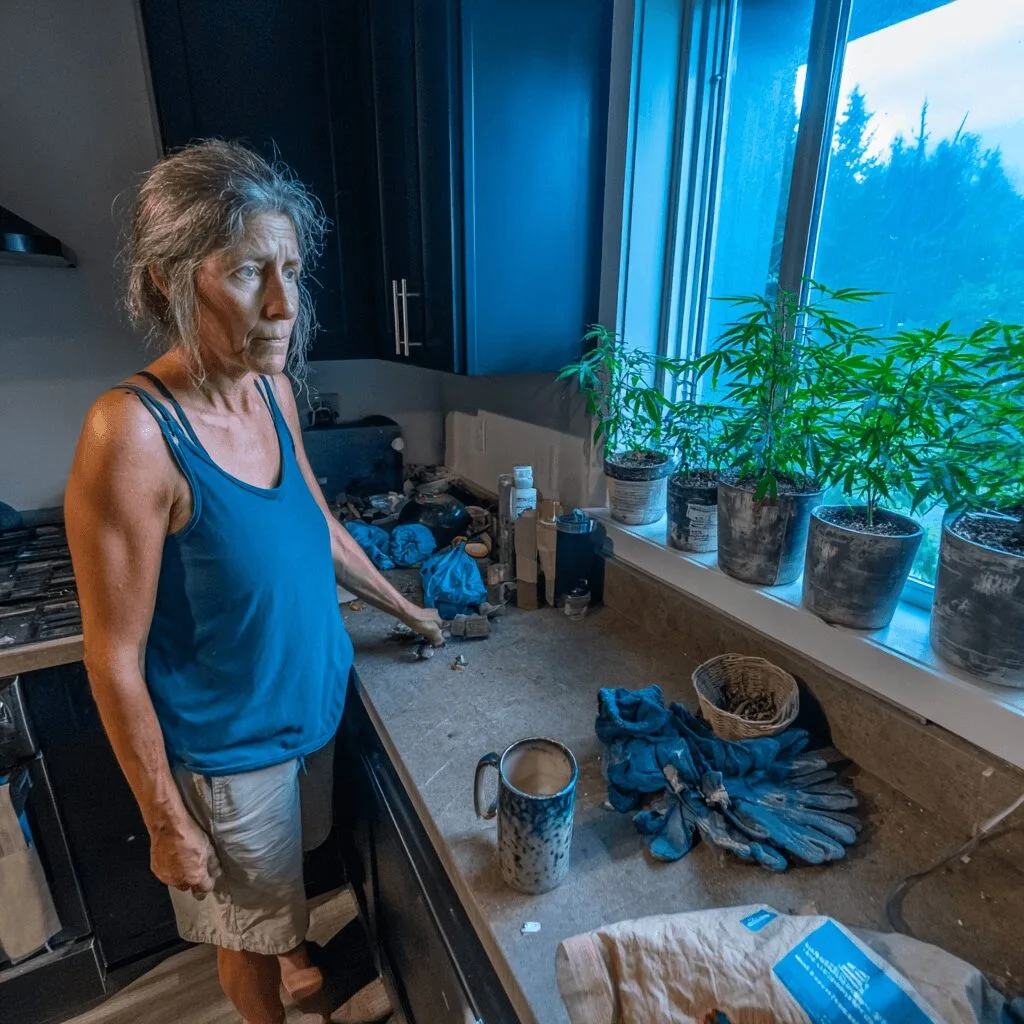
Psilocybin Mushroom Arrest: Camden County Woman Busted
The latest psilocybin mushroom arrest out of Camden County is sparking conversations across both cannabis and psychedelic communities. As plant-based medicines gain traction and reform efforts surge nationwide, the intersection of mushrooms and marijuana laws has never been more in the spotlight. In this article, we’ll explore why this case matters, breaking down the legal context, what happened in Camden County, and why cannabis advocates everywhere should keep a close eye on these developments.
Understanding the Regulatory Backdrop on Psilocybin and Cannabis
While cannabis has slowly clawed its way toward mainstream acceptance, psilocybin remains tangled in outdated regulations. Despite breakthroughs in mental health research, psilocybin mushrooms are still classified as Schedule I substances on a federal level, which lumps them in with the likes of heroin, a relic of decades-old drug war thinking, according to NORML. In Missouri, where this case happened, cannabis, both medical and recreational, has seen progressive policy wins, but there’s little daylight for psilocybin. Law enforcement priorities can swing wildly depending on local politics and public opinion, meaning cultivators risk harsher crackdowns than their cannabis-growing peers. As seen in states like Wisconsin, recent movements toward legalization have shown that social attitudes are changing—nationwide, Gallup polls have highlighted rising support for decriminalization of both substances. For example, efforts in Wisconsin in 2024 are breaking barriers and sparking change in cannabis reform. But until legal catch-up matches public sentiment, the patchwork of state and federal laws creates plenty of gray areas for folks navigating the plant medicine space.
Key Details of the Camden County Psilocybin Mushroom Arrest in 2024
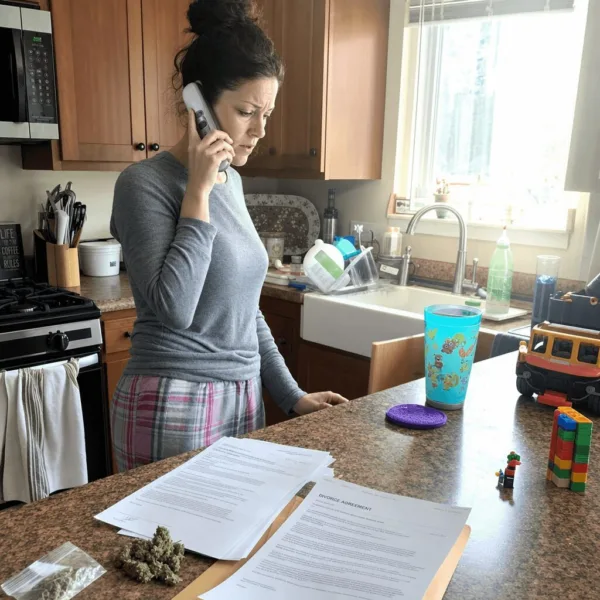
On June 21, 2024, Camden County law enforcement executed a search warrant at a residence following a tip regarding suspicious activity. Officers discovered a small home operation: freshly grown psilocybin mushrooms along with several cannabis plants in various growth stages. The accused, a local middle-aged woman, now faces felony charges for cultivating psilocybin mushrooms—still strictly illegal under Missouri law. According to KRCG-TV’s local coverage, the seized items included several mismatched pots, gardening equipment, and basic grow lights, far from the industrial setup you’d see in a large cannabis grow. Prosecutors quickly filed charges under statutes that criminalize manufacturing Schedule I substances, even as similar enforcement actions in other states have involved investigations into THC vape cartridges and product trafficking. For example, the real risks and legal responses to THC vape cartridges trafficking have been recently revealed in high-profile cases. The medical cannabis plants, though regulated, were also scrutinized for possible violations of cultivation limits, reminding everyone the legal line can be tightrope-thin in prohibitionist counties.
Expert Analysis: Why This Psilocybin Mushroom Arrest Rings Alarm Bells
This psilocybin mushroom arrest in Missouri isn’t just another news blip, it’s a symptom of the disconnect between shifting public opinion and outdated legal realities. Cannabis experts consistently note that enforcement whiplash leaves people caught in limbo. As Rolling Stone reported, “The ground is moving fast, but the laws can’t keep up.” Having both mushrooms and cannabis plants under the same roof exposes the regulatory confusion at the heart of today’s green revolution. Mushroom therapeutics are winning over researchers and veterans alike—just look at Johns Hopkins’ pioneering studies—but old statutes mean even small-scale spiritual or medical growers face serious felonies. According to cannabis law veteran Hilary Bricken, Esq. of Harris Bricken, “The patchwork of state and federal laws creates headaches not just for law enforcement, but for ordinary people trying to access plant medicine safely.” These stories ignite debate: are we criminalizing healing or protecting the public? It depends who you ask, but one thing’s clear, the winds of reform are blowing, even if the law drags its feet. As states across the US adapt to shifting policies, it’s important to note how recent cultivation trends and market pressures in places like Oregon influence broader drug policy and enforcement priorities in 2024.
Looking Ahead: Progress, Hope, and the Path to Sensible Reform
The psilocybin mushroom arrest in Camden County adds fuel to the growing fire for sensible drug policy reform. Every headline like this makes the public rethink who really benefits from old-school enforcement, and whether it’s time to broaden the conversation around plant-based healing. Momentum is building: Oregon and Colorado have already decriminalized or regulated psilocybin use, setting precedents for other states to follow. While Missouri lags behind, industry voices, patient advocates, and even some lawmakers are making calls for evidence-based policy—because criminalizing the psilocybin and cannabis communities helps no one. Looking further ahead, the rapid growth of the regulated cannabis industry proves what’s possible when lawmakers listen to science and society. According to a 2024 article from Cannabis Business Times, bipartisan efforts for psychedelic and cannabis reform are gaining traction nationwide. The message? The future is green, and reform is coming—one state, one community, and one conversation at a time.
Originally reported by: krcgtv.com