


Public Marijuana Use Ban: Why Independence Is Taking Action
With legalization rolling through Missouri and the cannabis industry getting bigger by the week, the city of Independence is now moving to implement a public marijuana use ban. This topic couldn’t be timelier as communities across the country face tough calls about how, where, and when recreational cannabis can be enjoyed. In Independence, local leaders are drawing a line after concerns about public use cropped up following statewide legalization. Let’s break down why this ban is making waves, how it fits into bigger cannabis trends, and what it means for anyone championing responsible access and reform.
Why Is This Happening? Regulatory and Social Roots
Cannabis legalization in Missouri has opened doors for both business and personal freedom, but it’s also revealed some new social dynamics. When recreational marijuana became legal in Missouri in late 2022 (Missouri Independent), questions quickly followed about what public cannabis use means for local neighborhoods, families, and businesses. States like Colorado and California, which legalized earlier, faced similar hurdles, pushing many cities to regulate where people could actually use their newly legal weed. Meanwhile, city leaders nationwide are balancing citizen freedoms with concerns about public safety and quality of life (Cannabis Business Times). In Independence, city officials were hearing from residents and business owners who felt public cannabis use was crossing a line, especially in parks, near schools, and along main commercial drags. So, the public marijuana use ban being considered isn’t unique, but it’s a clear response to emerging cultural and regulatory challenges around normalization, personal rights, and the boundaries of new freedoms. For example, concerns about marijuana-related incidents at schools have also led to community debate, as seen in cases like arrests involving cannabis and school safety. This is a sign of maturing cannabis policy, and Independence is now part of a wider conversation shaping how and where legal weed fits into everyday American life.
Key Developments: What’s in the Ban and Why Now?
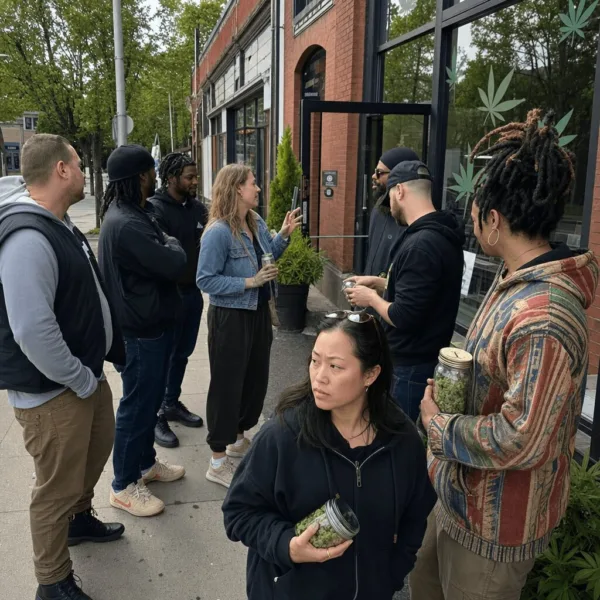
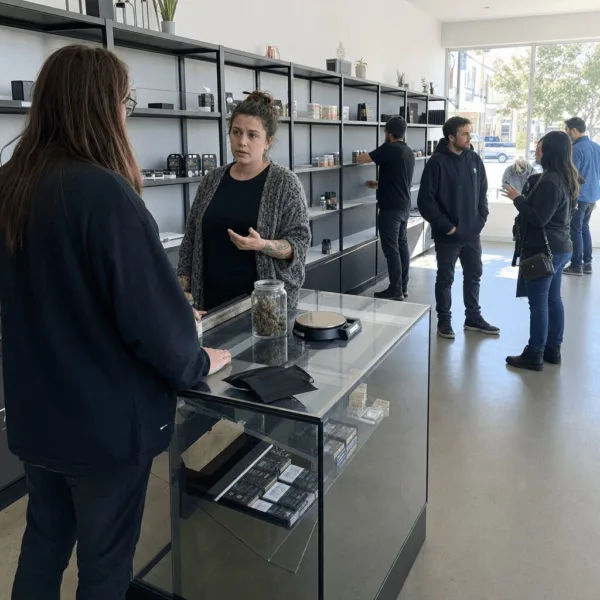
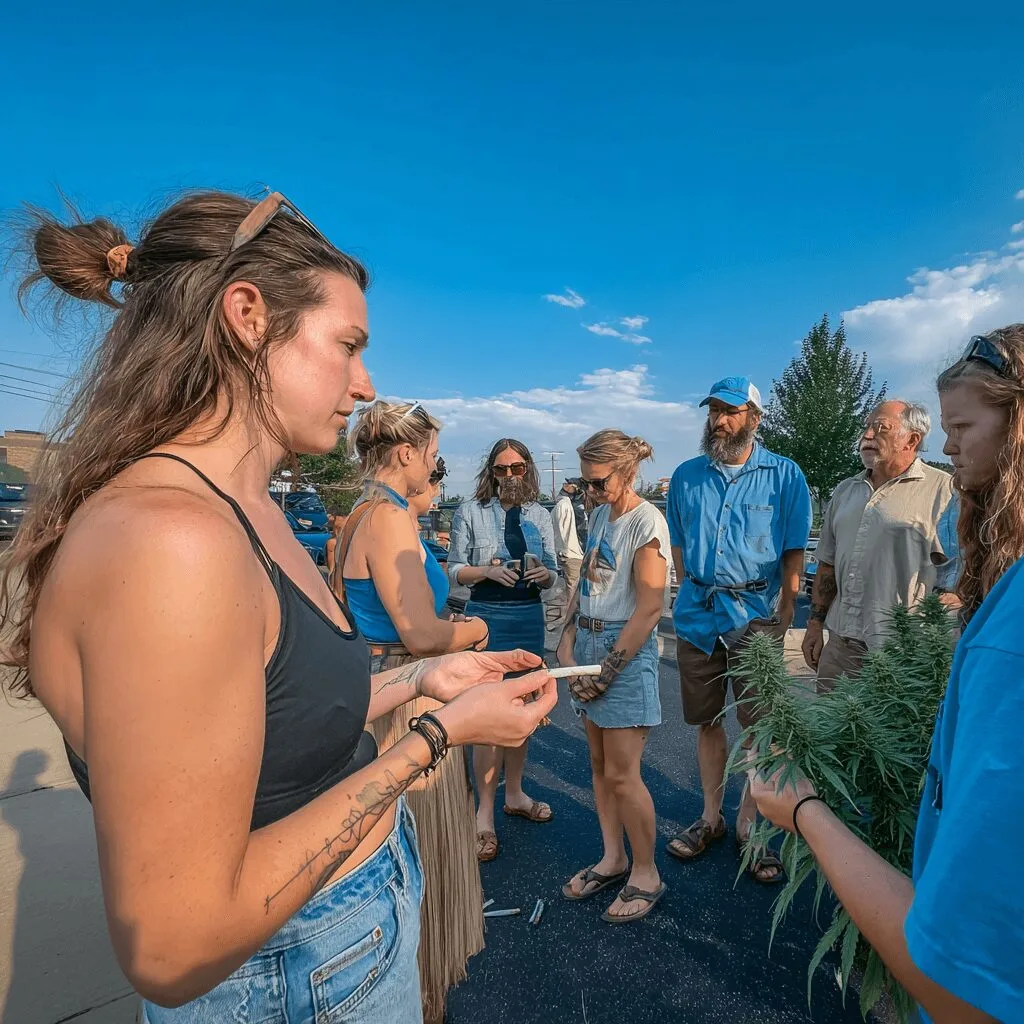
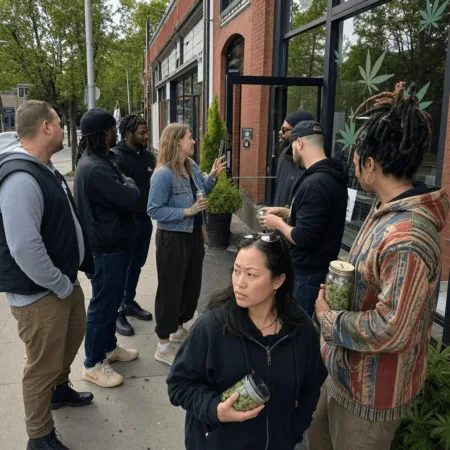
On January 6, 2026, Independence city leaders pushed forward a public marijuana use ban that zeroes in on visible, recreational consumption in city parks, sidewalks, and public spaces. As reported by KCTV5, the proposed ordinance came soon after local voters voiced support for cannabis legalization, but also clarified they didn’t necessarily want the smell of skunk at every picnic. Under the proposed rules, anyone caught using marijuana publicly could face fines similar to existing open-container violations for alcohol. The city council debated the measure extensively, with many referencing similar laws in places like Denver or San Francisco that restrict cannabis use to private property. Council members cited an uptick in public complaints, everything from skunky-smelling corners on the Square to concerns about kids playing near users, as a motivating force. While cannabis sales storefronts remain legal and operational under Missouri’s statewide regulations (Missouri Department of Health), Independence is clarifying that public consumption is off the table. This development isn’t an outright rollback of legalization, but it’s a high-profile course correction that puts social expectations and neighborhood vibes front and center. Rules like this are also being discussed in light of recent changes and court debates across other states, for instance, recent Michigan lawsuits around marijuana regulation reflect evolving legal landscapes nationwide. The ordinance is set for further review before a potential vote in early 2026.
Expert Analysis and Industry Insights
Let’s be real, stuff like the public marijuana use ban is part of the cannabis industry’s growing pains. It’s one thing to celebrate legal sales, but it’s another to work out the kinks around public behavior and cultural norms. Cannabis advocates point out that bans like this run the risk of moving use back into the shadows, rather than promoting safe and respectful practices. Dr. Amanda Reiman, policy expert and cannabis researcher, recently explained, “Balancing legalization with public use rules is key for normalization. Strict public bans can frustrate consumers and may disproportionately affect those who can’t consume in private homes” (Leafly). On the industry side, leading cannabis trade groups have urged cities to explore alternatives, like designated consumption lounges, which keep public spaces comfortable for all while supporting safe social use. Industry watchers note that states with flexible policies like Nevada’s new cannabis lounges (Las Vegas Sun) are seeing strong demand and fewer public nuisance complaints. Rules about open use continue to spark hot legal debate and are being challenged elsewhere too, as discussed in resources addressing why open medical marijuana in cars is so controversial for legislators and law enforcement (read more on the current legal debate). Independence’s move fits a nationwide balancing act, where cities are learning to dial regulation just right, without sparking backlash or undoing years of industry progress.
Future Outlook: Making Space for Cannabis as Culture Evolves
No matter how you light it, the public marijuana use ban in Independence is more than a single ordinance—it’s a cultural checkpoint on the path to normalization. As other cities refine similar rules, the big picture stays optimistic. The cannabis industry is still on a roll, drawing huge growth in Missouri and new products for responsible consumers, according to Marijuana Moment. Savvy leaders and cannabis advocates alike know that these growing pains lead to smarter, more compassionate regulation over time. Whether it’s through public education, better access to social-use venues, or open community dialogues, the industry is poised to keep building trust and acceptance. For every ban, expect plenty of efforts to find clever solutions. Independence might be drawing the line right now—but the conversation about cannabis freedom is wide open, and the momentum for sensible, inclusive reform keeps building. Stay tuned, because the journey to full acceptance is just hitting its stride.
Originally reported by: kctv5.com

1 Comment
Pingback: 2026 Hemp THC Regulations: What You Need to Know Now