

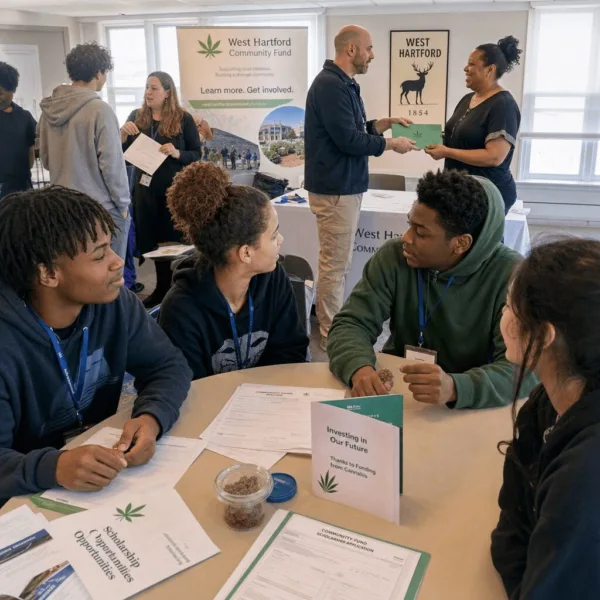




Big shifts are on the horizon for cannabis enthusiasts and the entire industry. The topic of marijuana rescheduling changes is front and center as federal regulators weigh adjustments that could finally shift how cannabis is viewed, sold, and used in the US. With talk about moving marijuana out of its restrictive legal category, people from all backgrounds are waiting to see what comes next—and how fast it will happen. This isn’t just headline news; it marks a pivotal moment that could shape everything from dispensary product lines to the legal rights of consumers. If you’re curious about what marijuana rescheduling changes really mean, and why everyone’s talking about it, you’re in the right place.
Understanding the Backstory: How We Got to Marijuana Rescheduling Changes in 2024
The question of cannabis legality in America has always been as tangled as headphone cords in your backpack. Since 1970, marijuana has lived under the shadow of Schedule I federal classification, a zone reserved for drugs considered to have no medical use and a high risk for abuse. The contradiction? State after state—from Oregon to New York—has legalized recreational or medical sales (NORML). Markets are booming, the public is more chill with weed than ever, and the scientific community won’t stop calling for better research access. For context on how this has broadened the cannabis economy, look at the way communities like Humboldt County have had to adapt to industry shifts, as seen in the evolving cannabis economy in places like Scotia. Yet, federal law still considers possession a crime, creating headaches for patients, entrepreneurs, and consumers alike. Economic drivers, like billion-dollar revenues and high-paying tax jobs, add more urgency to the marijuana rescheduling changes now up for debate. Social justice also plays a big part. Advocates point out that communities hardest hit by the war on drugs are still waiting for repair. Thanks to mounting bipartisan support, the federal government finally seems ready to acknowledge what reality, science, and the market have been saying for years: it’s time to reconsider how cannabis is treated in the eyes of the law.
Key Developments: What’s Actually Shifting with Marijuana Rescheduling Changes in 2024
Earlier this year, the US Department of Justice signaled a seismic shift by announcing plans to reclassify marijuana from Schedule I to Schedule III under the Controlled Substances Act. That’s no small feat, the move acknowledges cannabis does have legitimate medical uses and a lower potential for abuse. According to a recent Reuters briefing, this proposal went public in May 2024 and is now making its way through agency review, with the DEA opening up a public comment period. The immediate headline: if and when finalized, many criminal penalties for simple possession would shrink overnight, and researchers could explore cannabis with less red tape than ever. The shift could also open doors for cannabis businesses—especially those in multi-state operations like Trulieve, Curaleaf, and Cresco Labs—to benefit from standard tax deductions previously denied to ‘Schedule I’ companies (as reported in MJBizDaily). Still, it’s a process, and a lot of this won’t happen at the snap of a finger. Federal banking and interstate commerce are big open questions. For those looking at regional impacts, the ongoing expansion of cannabis retail in markets like New York shows just how variable progress can be depending on the state. Advocates highlight that some changes will drop immediately, like loosened research restrictions, while others (banking, interstate sales, expungement) need more action from Congress or agencies. As always, the cannabis community is watching each new announcement with joint-in-hand anticipation.
Informed Analysis: What the Marijuana Rescheduling Changes Mean for Everyone in 2024
So, what’s the real impact behind the buzz? Most industry veterans agree that while rescheduling from Schedule I to III is historic, it’s more like opening the door than offering a seat at the table. According to Leafly’s analysis, the new category means easier research access, improved legal status for patients, and tax relief for businesses still handcuffed by IRS rule 280E. For patients specifically, the effects echo ongoing shifts in health care studies such as those seen in the latest medical marijuana assessment trends for 2024. But the feds won’t be handing out free weed anytime soon—states still control retail, and federal legalization is a whole other debate. As Dr. Peter Grinspoon from Harvard Medical School puts it, “Rescheduling marks a clear victory for science and sanity, but much work remains if we’re serious about real reform” (source). Expect significant focus on patient access, research funding, and protections for the businesses serving millions of Americans.
Looking Forward: The Future of Marijuana Rescheduling Changes
The cannabis scene is changing faster than you can say ‘wake and bake.’ Marijuana rescheduling changes are poised to push the US market into its next growth phase—potentially worth tens of billions more dollars annually. With more legal clarity, innovators and patients could see incredible new medical advances and entrepreneurial opportunities. As the National Conference of State Legislatures notes, more federal alignment with reality will mean safer access, increased jobs, and stronger tax revenue potential. Social stigma? Fading fast. While it’s not the final chapter of cannabis prohibition, it feels like the last major rewrite before a new era of acceptance, equality, and consumer-powered progress.
Originally reported by: dailyastorian.com


1 Comment
Pingback: Cannabis Hyperemesis Syndrome: Hidden Dangers Revealed