



Antibacterial Cannabinoids Endodontic Infections: Breakthrough Insights
Let’s talk innovation where the dental chair meets the green leaf. Antibacterial cannabinoids endodontic infections research is exploding for good reason. Endodontic infections—think stubborn, deeply rooted dental bacteria—remain a massive clinical headache worldwide. Major news and credible studies now show that cannabinoids, long-hailed for their therapeutic potential, might step in as a powerful weapon. With antibiotic resistance on the rise and public demand for natural medical solutions, discovering how antibacterial cannabinoids could disrupt endodontic infections is a headline-grabber—and could reshape the future of oral healthcare. This article breaks down the science, the headlines, and what it means for patients, researchers, and cannabis advocates alike.
Why Antibacterial Cannabinoids & Endodontic Infections Matter Now
Dental infections, especially those in the pulp and root canals, remain difficult challenges. According to the American Dental Association, endodontic infections affect millions every year and continue to be a major cause of tooth loss. Overuse of traditional antibiotics has compounded the problem. In fact, the Centers for Disease Control and Prevention (CDC) highlight the surge in antibiotic resistance, prompting dentists to look for alternative treatment strategies. In North America, shifting regulations—such as those tracked by Health Canada—have enabled more open research into cannabinoids as promising antimicrobials for oral infections. This movement also mirrors increasing public acceptance of plant-based therapies, as seen in recent Gallup polls. These cultural and regulatory changes have provided fertile ground for research and innovation in oral health. It’s clear that communities with strong cannabis cultures are also influencing these trends, much in the way that some American cities have transformed their healthcare approaches through new attitudes toward cannabis—highlighted by changes witnessed in Seattle’s evolving cannabis-driven improvements. Unlocking antibacterial cannabinoids for endodontic infections could truly address significant unmet clinical needs while aligning with broader shifts in health and wellness culture.
Key Discoveries Shaking Up Dentistry
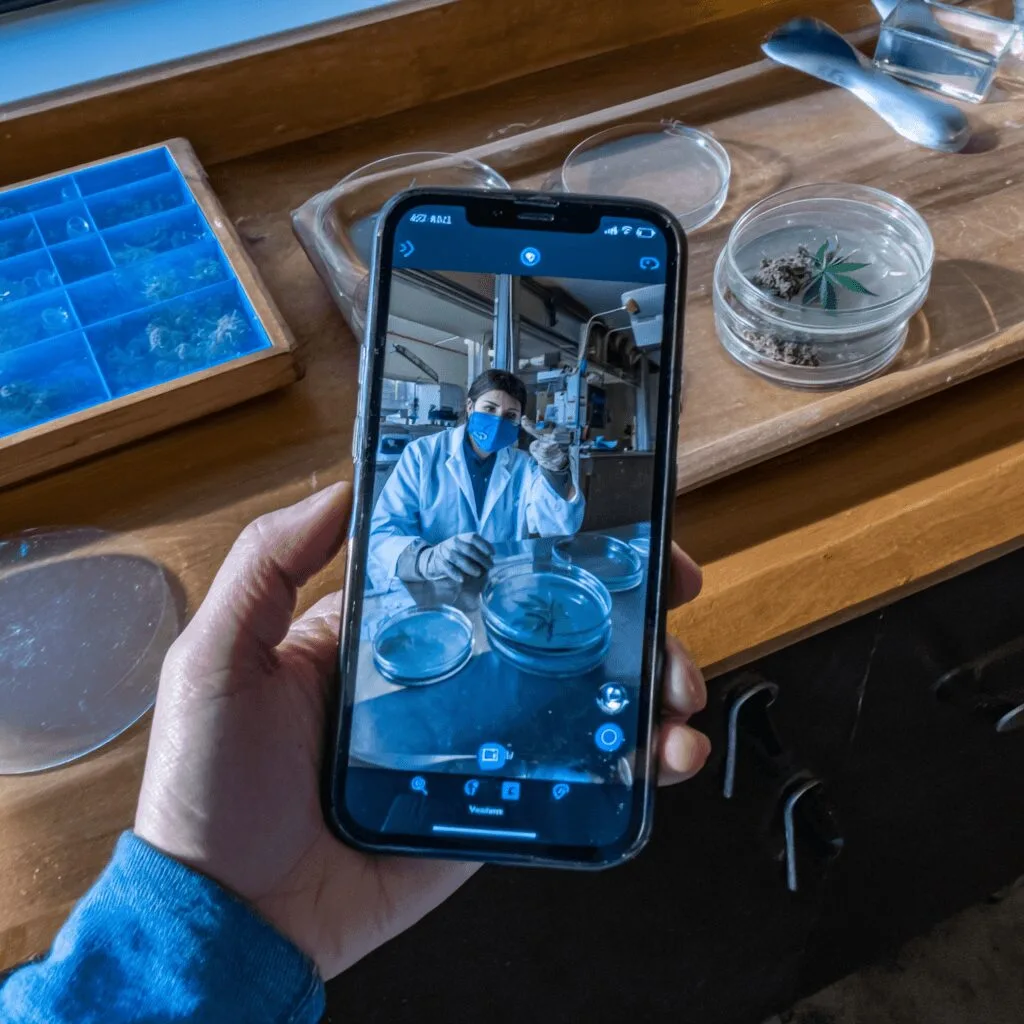
The biggest recent breakthrough is a peer-reviewed study published on PubMed, showing that particular cannabinoids can inhibit common root canal pathogens. This June 2024 research highlights that cannabinoids like cannabigerol (CBG) and cannabidiol (CBD) significantly disrupted the biofilm formation of Enterococcus faecalis, a key player in endodontic infections. Scientists grew bacterial colonies in treated dishes, observing notable interference with bacterial biofilms compared to untreated controls. While the findings originate from a European university team, regulatory approval is clearing the way for new North American clinical trials. Key agencies such as the U.S. Food and Drug Administration are now acknowledging the need for alternative antimicrobial agents in dentistry. The race is on for dental supply companies to bring these innovations to patient care. This new momentum, encompassing research, regulatory action, and market interest, signals a genuine shift—comparable to how shifts in cannabis-related policy and economic impact are shaping other sectors, such as with tax policies that have changed the conversation for local governments and consumers, much like those revealed in the effects of Michigan’s marijuana tax on communities and travelers. The interplay of groundbreaking results and policy changes is creating tangible progress for antibacterial cannabinoids endodontic infections research.
The Expert Angle: Cannabis, Science, and Disruptive Potential
Let’s get real, the movement for plant-based therapies is about harnessing science for better outcomes in oral health. Dr. Ethan Russo, a leader in cannabis research, states: “Cannabinoids offer a unique multifunctional profile that could address antibiotic resistance while delivering patient-friendly therapies” (Project CBD). Real-world potential exists for enhancing root canal treatment using antibacterial cannabinoids, resulting in faster recovery and less dependence on traditional antibiotics. Medical cannabis advocates also point out that non-intoxicating cannabinoids like CBG are well-tolerated and effective in disrupting biofilms, a key factor in persistent endodontic infections. Organizations like NORML and supporters of integrative health care emphasize these unique antibacterial benefits—especially in tackling problems where classic drugs fall short. While there is more to accomplish, the increase in laboratory evidence and industry investment suggests a new age for antibacterial cannabinoids endodontic infections solutions. At the same time, shifts in policy and regulatory debate are increasingly influenced by the involvement of political contributions and advocacy as recently highlighted during election cycles—much like those detailed in the evolving discussion on how marijuana political donations are shifting power and policy.
The Road Ahead For Antibacterial Cannabinoids In Oral Health
If the story of cannabis in 2024 is about crossover breakthroughs, then antibacterial cannabinoids endodontic infections research is its next chapter. Industry veterans agree: as regulatory frameworks mature and trailblazing studies pass peer review, cannabinoid-based oral therapeutics will enter mainstream dental care. According to Leafly Health, both patients and dental pros want safer, more natural antimicrobials. Expect major advances as clinical trials move forward, dental organizations update best practices, and cannabinoid scientists work alongside regulators. Bottom line? The intersection of cannabis advocacy, modern science, and the need for innovation has never looked brighter. As the world reimagines oral health, cannabis—once relegated to the giggle corner—is getting its white coat moment. The era of antibacterial cannabinoids tackling endodontic infections isn’t just hype; it’s a revolution in progress.
Originally reported by: pubmed.ncbi.nlm.nih.gov