




California psychedelic chocolate warning: What you must know now
The cannabis industry in California is known for rapid innovation, but lately, the “California psychedelic chocolate warning” is everywhere. With edibles getting bolder and the lines between cannabis and psychedelics blurring, health officials are now stepping in. This warning has real implications for both casual consumers and hardcore connoisseurs. You’ll want to know why the state felt the need to step in, what products are involved, and how this might impact you. Get ready for the essential facts, straight talk, and expert perspective you’ve come to expect.
Why California’s Psychedelic Chocolate Warning Matters: Background & Context
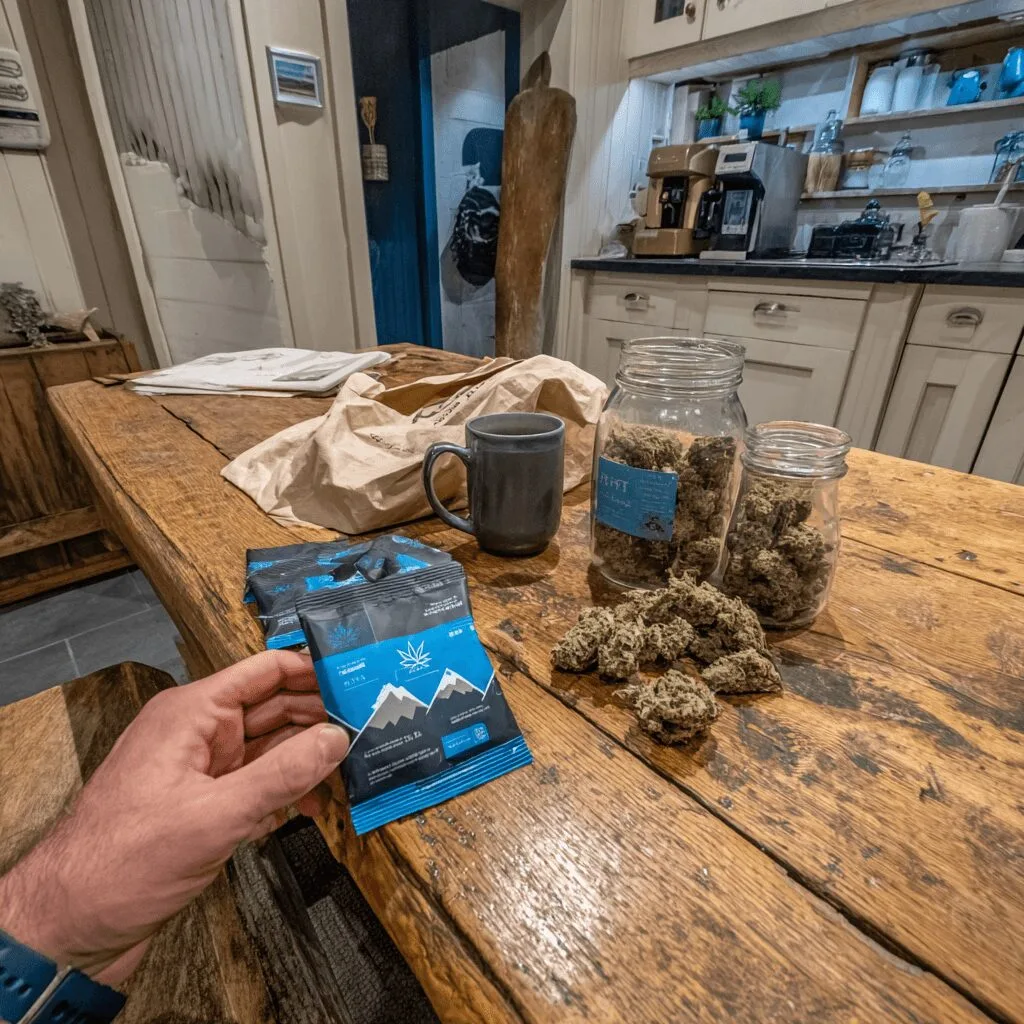
The California psychedelic chocolate warning isn’t just clickbait. Over the past few years, California’s edible market has boomed, think everything from THC gummies to wild chocolate bars. Some see this as golden-era innovation, while others, including state regulators, see new risks. Industry reports highlight a massive increase in alternative cannabinoid and psychedelic-inspired products. At the same time, the legal framework is evolving: recreational cannabis is legal statewide, but psychedelic substances remain largely prohibited. According to the California Department of Cannabis Control, there’s increased scrutiny on any product that treads the line between licensed cannabis and unregulated, potentially psychoactive compounds. There’s also mounting pressure from consumers to ensure accurate labeling and safe access, reflecting wider market maturity and shifting public attitudes about plant-based wellness. This tension is similar to ongoing debates over policy and public response, such as recent events in community drug arrest investigations that have shaken local perceptions.
Key Developments: California’s Psychedelic Chocolate Warning Unpacked
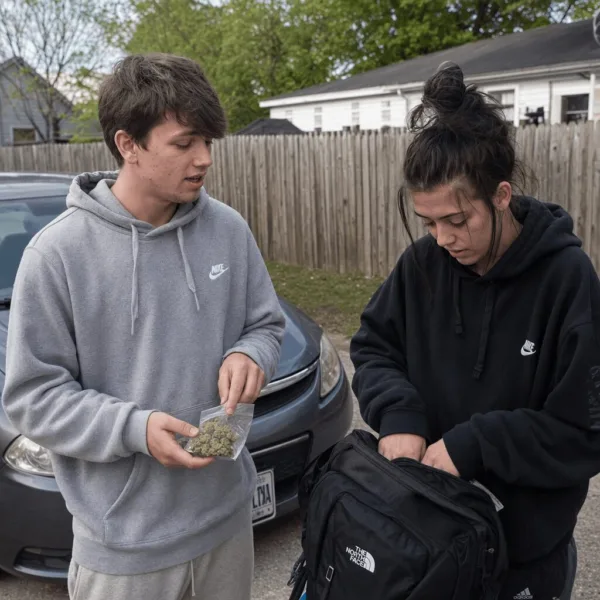
So, what triggered the “California psychedelic chocolate warning”? In late May 2024, California’s Department of Public Health issued a formal alert targeting so-called ‘magic mushroom’ chocolates being sold in communities from Los Angeles to the Bay Area. According to coverage by Fox 5 San Diego, state officials flagged several products containing psilocybin, the psychoactive compound in shrooms, disguised as innocent-looking chocolate bars. The department cited reports of hospitalizations linked to accidental ingestion, often involving consumers who thought they were purchasing regular cannabis-infused edibles. This uncertainty about regulated and unregulated products mirrors the ongoing regulatory challenges seen in other states, like the impacts of tax policies discussed in Connecticut’s cannabis business landscape. The warning specifically mentioned brands dubbed “PolkaDot” and noted unlicensed storefronts and pop-up markets as major sources. The legal risk isn’t just about product possession, as vendors were allegedly violating both California cannabis law and federal statutes prohibiting psychedelics. Health authorities urged consumers to verify purchases through licensed dispensaries and avoid any product not displaying a state cannabis compliance label. The timeline? This alert came just as the state considers new psychedelic decriminalization measures, intensifying the debate. These developments, verified by the California Department of Public Health, signal the need for clarity as product categories overlap and evolve.
Expert Analysis: Impacts and Industry Perspective of the California Psychedelic Chocolate Warning
Here’s where it gets real: the California psychedelic chocolate warning isn’t just regulatory noise. Market veterans know the edge between innovation and risk is razor-thin. Industry analysts referencing MJBizDaily report that confusion between legal and illicit edibles threatens both consumer trust and brand reputation. As highlighted in discussions on changing perceptions of marijuana-related risks and realities, understanding nuance is crucial for consumers and policymakers alike. A respected cultivation consultant said, “People don’t realize how easy it is for an unlicensed edible to slip into the market. As the lines blur, these warnings matter, not to kill a good buzz, but to keep the industry credible.” (Leafly News). Shroom chocolate isn’t the first boundary-pusher in this space. Yet as more adults want both the recreational and ‘wellness’ vibe, raising awareness around safety is essential. Clinical voices including the Journal of the American Medical Association highlight the potential for accidental ingestion and mislabeling, especially when unlicensed products skirt regulations. For legacy operators and mainstream brands alike, transparency and rigorous quality control are non-negotiable moving forward.
Outlook: Growth, Responsibility, and What’s Next for California Edibles
The “California psychedelic chocolate warning” is a wake-up call, not a market death knell. It signals a coming-of-age moment for the state’s edible scene. Industry leaders and regulators are now working together to refine what responsible innovation looks like. Many believe the answer lies in smarter consumer education and robust tracking—from seed to sale—for all high-potency goods. According to Cannabis Business Times, the regulatory shakeup could even drive positive change, fostering safer, more diverse product offerings. Looking forward, expect clear boundaries around psychedelic compounds, increased compliance pressure, and a cannabis culture that values both freedom and responsibility. One thing’s certain: California’s edible industry isn’t slowing down; it’s just getting savvier—proving again why the Golden State leads the pack.
Originally reported by: fox5sandiego.com


2 Comments
Pingback: Missouri cannabis license revocation: What you must know
Pingback: Missouri cannabis license revocation: What every business must know