



Alabama medical marijuana law: What’s changing now?
Right now, the Alabama medical marijuana law is making headlines—grabbing the attention of patients, advocates, and anyone watching Southern drug policy. With regulatory shakeups, increasing public debate, and state officials gearing up to license medical cannabis vendors, the landscape is rapidly shifting. If you’ve ever wondered where Alabama stands in the cannabis conversation, now’s the time to pay attention: these evolving laws will affect real lives, local businesses, and broader conversations about access and criminal justice. Let’s break down what’s happening and why it matters for anyone who cares about safe access and sensible regulation.
The Landscape: Alabama Medical Marijuana Law and Its Roots
The Alabama medical marijuana law didn’t spring up overnight. It’s the result of years of advocacy, legal wrangling, and, yes, a ton of red tape. For context, Alabama historically boasted some of the country’s most restrictive cannabis laws. Change was inevitable, mounting pressure from medical professionals, patient advocates, and national shifts encouraged lawmakers to revisit outdated models. According to NORML, states that create sensible medical programs tend to achieve both safer outcomes and a reduction in opioid dependence. By 2021, Governor Kay Ivey signed the Darren Wesley ‘Ato’ Hall Compassion Act, setting the foundation for strictly-regulated medical cannabis. Still, the legislative details reveal that Alabama’s approach is one of the toughest in the nation, something similar to regulatory battles seen in other tough medical cannabis states, such as what happened during efforts to expand access as outlined in Ohio’s cannabis law activism.
- Regulatory hurdles: Alabama’s system is well-known for its strictness, prescriptions are only possible for a limited set of conditions.
- Social context: Public opinion is quickly shifting. According to a 2023 AL.com poll, the majority of Alabamians now support medical access.
- Market impact: Possibilities for dispensaries and regulated cannabis not only imply rural growth, but echo debates in communities weighing the benefits of new local cannabis businesses, reminiscent of issues raised in municipal dispensary limit debates.
Key Developments: What’s Actually Changing?
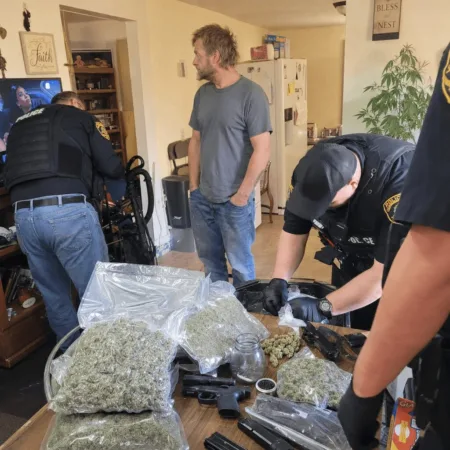
Recently, changes under the Alabama medical marijuana law have been significant. Law enforcement and regulators are actively clarifying the difference between medical and recreational use. Reports from Alabama Public Radio confirm a heightened crackdown as state officials gear up for licensing medical cannabis vendors for the first time. At the same time, these developments show Alabama faces similar implementation issues as other states, who also see delays and legal wrangling over cannabis manufacturing and sales, not unlike those described in the Newark permit rollout for local manufacturing.
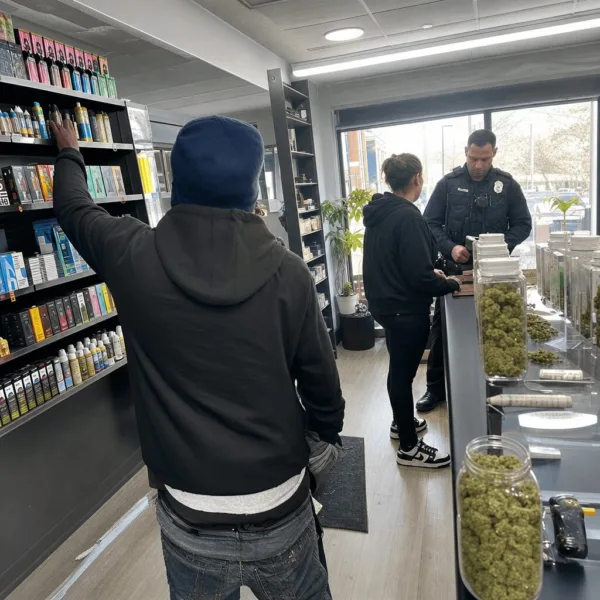
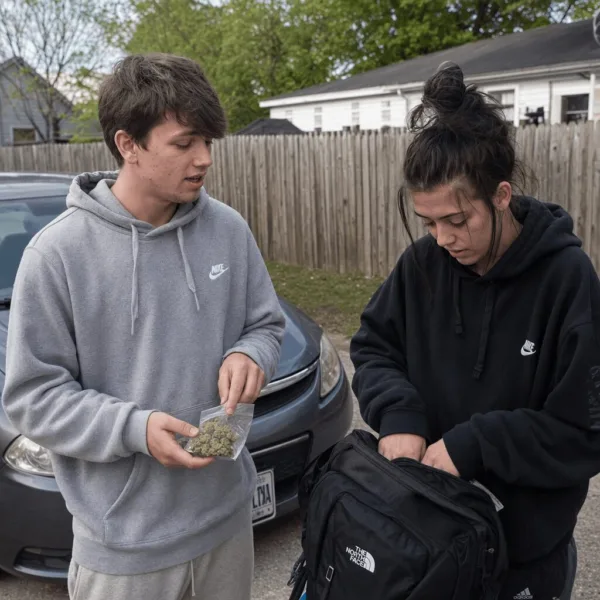
- Increased Enforcement: Police and state agencies have begun a clampdown on illegal possession, making clear that only qualified patients are now protected by the current system.
- Licensing Delays: The state is working to license dispensaries and production sites, but legal hurdles and bureaucratic delays persist, leaving many applicants frustrated.
- Tight Medical Restrictions: Only specific conditions like chronic pain, cancer, and PTSD are eligible. Products are tightly controlled and must come from in-state providers, with smokable forms still banned.
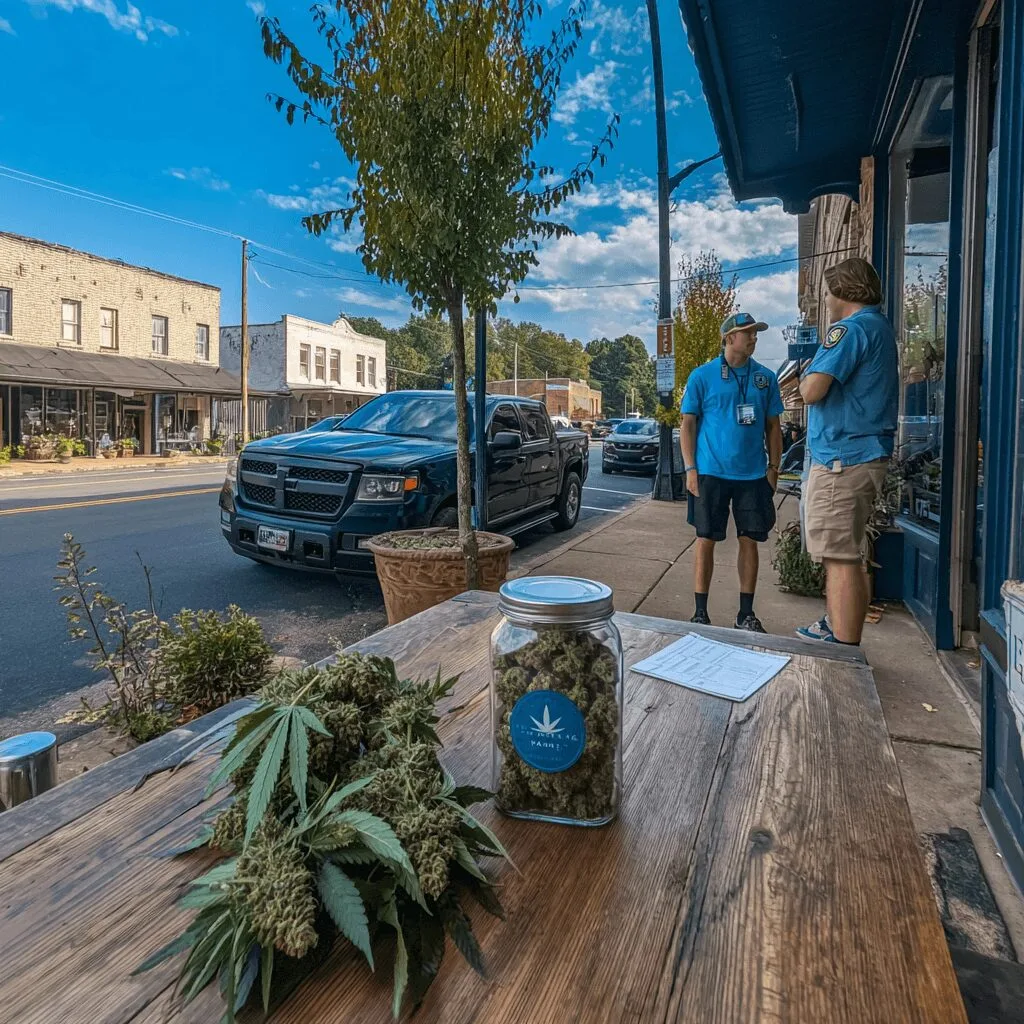
- Vendor Preparation: Business owners are already laying groundwork for entry, investing in facilities and expertise, all while monitoring the state’s aggressive regulatory stance.
- Ongoing Legal Pushback: Legal filings and criticisms continue, as many believe the restrictions still leave too many patients behind. Ongoing amendments to the Alabama medical marijuana law are expected as stakeholders seek more balanced reform, a process not unlike controversial state reform initiatives in the past, which can be seen in episodes like the Arizona legalization campaign.
Expert Takes: Analysis and Industry Perspective
As someone intimately familiar with the cannabis landscape, I can attest that the Alabama medical marijuana law is both progress and paradox. Conservative states now see the value in medical cannabis access, but implementation remains complex and fraught with barriers. According to Dr. Dustin Sulak, a prominent physician and researcher, “States that enact thoughtful, patient-focused medical cannabis laws not only help those in need but reduce societal harm overall,” as noted in his interview with Leafly.
Alabama’s extra-cautious approach highlights the ongoing tension between entrenched perceptions and evolving policy. For many low-income and rural residents, the tight qualifying conditions and slow-moving rollout remain major challenges. Every step forward, though, gradually breaks down old attitudes. Interestingly, this conservative entry may foster better product quality and tighter oversight, much like national debates on addiction and access reported in analyses like this editorial on marijuana use and public discourse.
Despite frustrations, there is also hope that carefully controlled legalization can establish Alabama as a model for restrictive but functional regulatory frameworks. If accessibility broadens over time, the Alabama medical marijuana law could become a positive case study for other conservative regions weighing patient rights and public health.
Looking Ahead: Alabama, Cannabis, and Hope for a Brighter Future
Despite bumps in the road, there’s reason to feel optimistic about the Alabama medical marijuana law. The state has gone from zero tolerance to—at long last—dabbling in medical cannabis, all in under a decade. If the current rollout learns from early hiccups (and listens to the people), Alabama could build a system that truly serves patients while protecting public interest. National trends are on its side: according to Pew Research Center, a record number of Americans now favor legal medical marijuana. Keep your eyes peeled—because if Alabama gets this right, it’ll join a growing wave of states balancing public health, business, and justice through credible cannabis access.
Originally reported by: apr.org

1 Comment
Pingback: Grafton man marijuana charges: what really happened?