





Cannabis Grow Limits Regulation: What Every Business Must Know
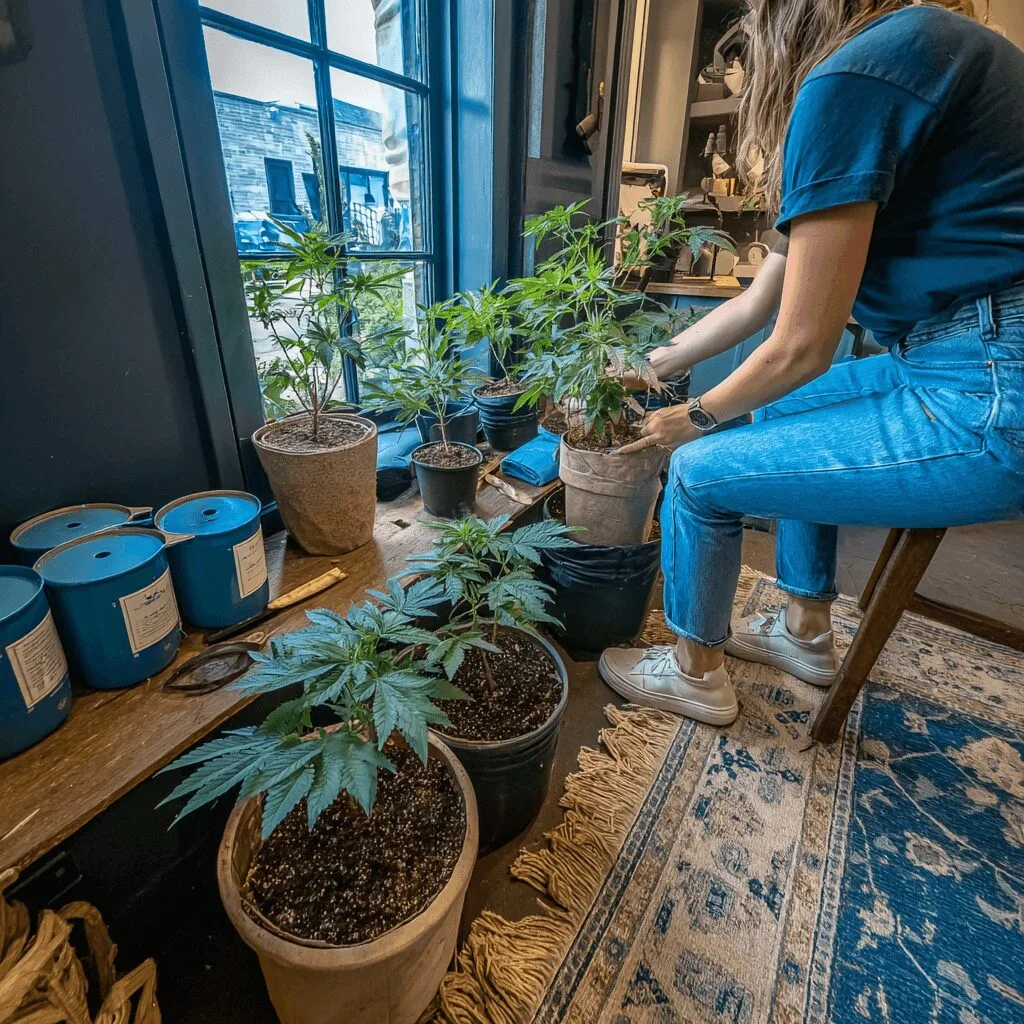
The buzz around cannabis grow limits regulation just got a lot louder. As lawmakers and regulatory agencies revisit the rules that cap cultivation, cannabis entrepreneurs and operators are feeling the impact. The recent shakeups are not just legal jargon—these regulations affect business strategies, market supply, and everyday operational choices. Smart industry players need to stay ahead of these changes to adapt effectively and keep their crops—and profits—thriving. Let’s break down what’s happening, why it matters, and how every cannabis business can respond as oversight tightens.
Understanding the Regulatory Landscape for Cannabis Grow Limits
The journey of cannabis regulation in the United States has been a wild ride, packed with rapid legal pivots, evolving compliance rules, and heated debates on licensing caps. NORML reports that state regulators use grow limits to manage market stability, safety, and environmental impact. Some states, like Colorado and Massachusetts, tie cultivation area and plant counts directly to license class, while others occasionally revisit the numbers based on demand or supply surpluses. Marijuana Policy Project (MPP) regularly details how regulatory bodies amend grow restrictions in response to concerns like illegal market competition or medical supply shortages. Ongoing conversations about enforcement continue—such as how law enforcement handles marijuana possession during traffic stops, a topic highlighted by recent debates surrounding notable arrests and legal ambiguities. Ultimately, cannabis grow limits regulation sits at the heart of a complex intersection between public health, social equity, and free enterprise. Social movements championing decriminalization often push for fewer limits, but policymakers must also weigh diversion risks and neighborhood impacts. This delicate balance keeps the cannabis industry, businesses, and advocates on their toes.
Key Developments and Core Issues in the Latest Cannabis Grow Limits Regulation
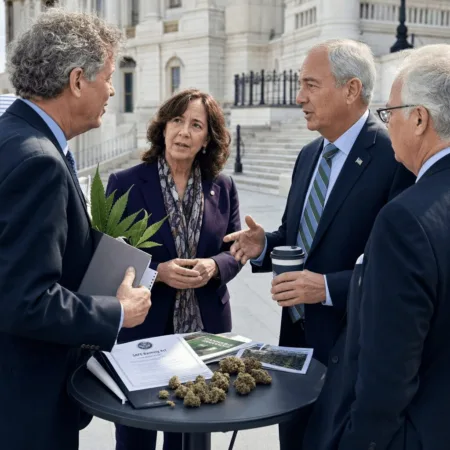
According to a recent report from The Inquirer & Mirror, Massachusetts regulators are considering new restrictions that would lower the cultivation limits for licensed cannabis operators. As early as June 2024, proposals suggest reducing canopy space permitted under certain license types, citing concerns over overproduction and market saturation. Some business owners, especially smaller cultivators, are bracing for impact, as these changes could squeeze profit margins and threaten expansion plans. The Massachusetts Cannabis Control Commission (CCC) is leading discussions on the issue, hosting public hearings and reviewing feedback from businesses, legal analysts, and advocacy groups. Many operators argue that current limits already challenge sustainability, as compliance costs and taxes keep rising. Meanwhile, neighboring states are watching closely; New York and Rhode Island regulators have stated that they may adjust their own policies based on the Massachusetts outcome. National Conference of State Legislatures highlights this trend of regulators tightening limits to control supply gluts and maintain safety standards. Businesses and observers alike are taking cues from ongoing legislative pushback, echoing sentiments seen in places like Idaho, where lawmakers’ opposition to marijuana has increased grassroots activism and shifted the dialogue on local cannabis grow limits regulation. Ultimately, the current wave of cannabis grow limits regulation marks a pivotal moment for businesses, indicating heightened scrutiny and shifting priorities among policymakers.
Expert Insights and Industry Analysis: The Real Cost of Changing Limits
Industry insiders see both challenges and opportunities in the latest wave of cannabis grow limits regulation. As Leafly notes, overly restrictive caps can stifle innovation and force small businesses to the margins, while poorly enforced rules encourage black market activity. According to Dr. Amanda Reiman, a long-time cannabis scholar, “A realistic approach to grow limits is all about balance. Too strict, and you punish the little guys. Too loose, and the illicit market thrives.” (Drug Policy Alliance). Many operators echo this sentiment, pushing for regulation that accounts for market realities and encourages healthy competition. Related developments in state markets, such as adjustments to Kentucky’s beverage laws, show how even small tweaks to policy can deeply affect compliance pressures and business strategies—demonstrating the ripple effects of regulatory changes on industry practice. Some experts argue that periodic reviews, rather than permanent limits, give regulators flexibility while still protecting public health. Business advocates also point to evidence from states like Oregon, where adjusting limits in response to market feedback helped stabilize prices and preserve legal-market share. Bottom line: effective cannabis grow limits regulation means dynamic oversight, informed by real-world data, dialogue, and industry expertise.
Looking Ahead: A Brighter, More Balanced Future for Cannabis Growers
Despite new challenges, most experts remain optimistic about the path forward for cannabis entrepreneurs. As social acceptance climbs and more data becomes available, policymakers are getting savvier about what works—and what doesn’t—in cannabis grow limits regulation. Organizations such as NCSL are already outlining model regulations that consider business sustainability, product quality, and social equity. For growers and advocates alike, this moment is an opportunity to shape the conversation, champion fairer rules, and help the industry mature responsibly. As the legislative dust settles, one thing’s clear: the cannabis industry’s roots are only getting deeper, and smart regulation can help it flourish for years to come.
Originally reported by: ack.net


1 Comment
Pingback: Massachusetts cannabis price drop: What retailers won’t tell you