Medical Marijuana Research: Wayne State Neuroscientist’s Take
There’s never been a wilder time to talk about medical marijuana research. With so much buzz about reclassifying cannabis and the feds finally rethinking outdated laws, the science can finally catch up. The push for real, unbiased research is sweeping across universities and labs everywhere—including spots like Wayne State, where neuroscientists are ready to break decades of regulatory silence. Today, we’ll dive into why this moment matters, how shifting policies could impact everything from your doctor’s office to Wall Street, and what the experts on the ground really think.
How We Got Here: Regulatory Roadblocks, Shifting Perspectives, and the Rise of Medical Marijuana Research
For decades, good old-fashioned medical marijuana research was mostly stuck in neutral. The U.S. government classified cannabis as a Schedule I drug, grouping it in the same legal basket as heroin. According to the DEA, this top-tier status means cannabis has no officially recognized medical use, making legal research all but impossible. As scientists, doctors, and even the American public called for reform, things started to thaw. In recent years, the National Institutes of Health and groups like the National Organization for the Reform of Marijuana Laws (NORML) have been championing studies that contribute to medical marijuana research. Society’s mindset is also doing a 180. Polls from Gallup now show more than two-thirds of Americans back some form of legal cannabis. Meanwhile, the market is exploding and the stigma fades, which mirrors the unseen forces shaping the cannabis industry today as explored in industry reflections on critical cannabis shifts, creating the perfect storm for meaningful scientific progress.
The Turning Point: Key Developments, Current Issues, and Advances in Medical Marijuana Research
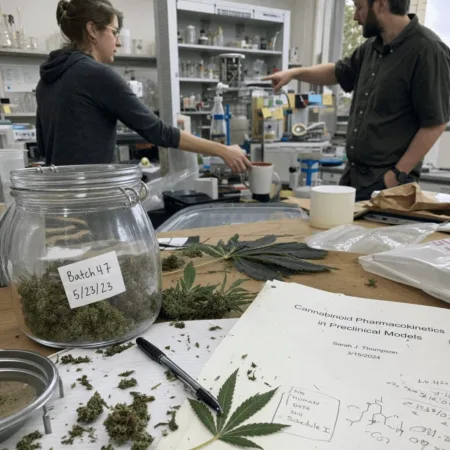
The big news? The push to reclassify cannabis is finally on the table. Just last month, the U.S. Department of Health and Human Services officially recommended downgrading cannabis from Schedule I to Schedule III. According to The New York Times, this would make it far easier for researchers to conduct medical marijuana research. Meanwhile, Wayne State University made headlines as their lead neuroscientist spoke out publicly. The neuroscientist explained how the current legal bottleneck blocks much-needed research, especially on real-world cannabis—something far different from the government’s ultra-weak NIDA grow. As covered by Detroit Free Press, she described routine hurdles like securing government-grade weed (which barely resembles what patients buy) and the mad paperwork that delays progress by years. The rescheduling recommendation, backed by momentum in Congress and the White House, sets the stage for a wave of robust medical marijuana research that was once just wishful thinking, resembling how regulatory reforms could pave the way for rescheduling as analyzed in recent legislative summaries.
Expert Breakdown: Neuroscientist Perspectives, Industry Voices, and the Future of Medical Marijuana Research
Industry folks have waited decades for this kind of progress. As Dr. Faye Hill, a neuroscience research lead at Wayne State, recently remarked, “Keeping cannabis classified like heroin had no scientific basis. We’ve missed chances to use medical marijuana research to help millions.” (source: Detroit Free Press). Removing barriers for scientists opens the door to real-world studies on cannabinoids, dosage, side effects, and more. It also means the public can finally get answers grounded in science, not hearsay or marketing hype. As highlighted in Leafly’s in-depth reporting, allowing researchers to use actual dispensary-grade cannabis makes findings more relevant for patients and physicians. These changes echo the broader shifts in the healthcare landscape, including updates like recent registration extensions for medical marijuana patients that ensure easier access for those in need. All of this signals a major leap forward, both for credibility and for patient outcomes.
Where It’s Headed: Hope, Hurdles, and the Road Ahead for Medical Marijuana Research
Things are finally moving in the right direction for medical marijuana research. The doors to real science are opening wider every day, giving the industry, patients, and doctors new hope. Rescheduling cannabis could mean less red tape, more funding, and results that matter in real life—not just in a lab. Regulatory tweaks, like those currently debated at the federal level (Congress.gov), will impact how quickly these changes roll out. But one thing is clear: As society embraces cannabis both medically and socially, the research will only get better, deeper, and more impactful. The next chapter looks bright, and, as industry analysts from PubMed Central note, the science now has real backing for the first time in decades.
Originally reported by: facebook.com