





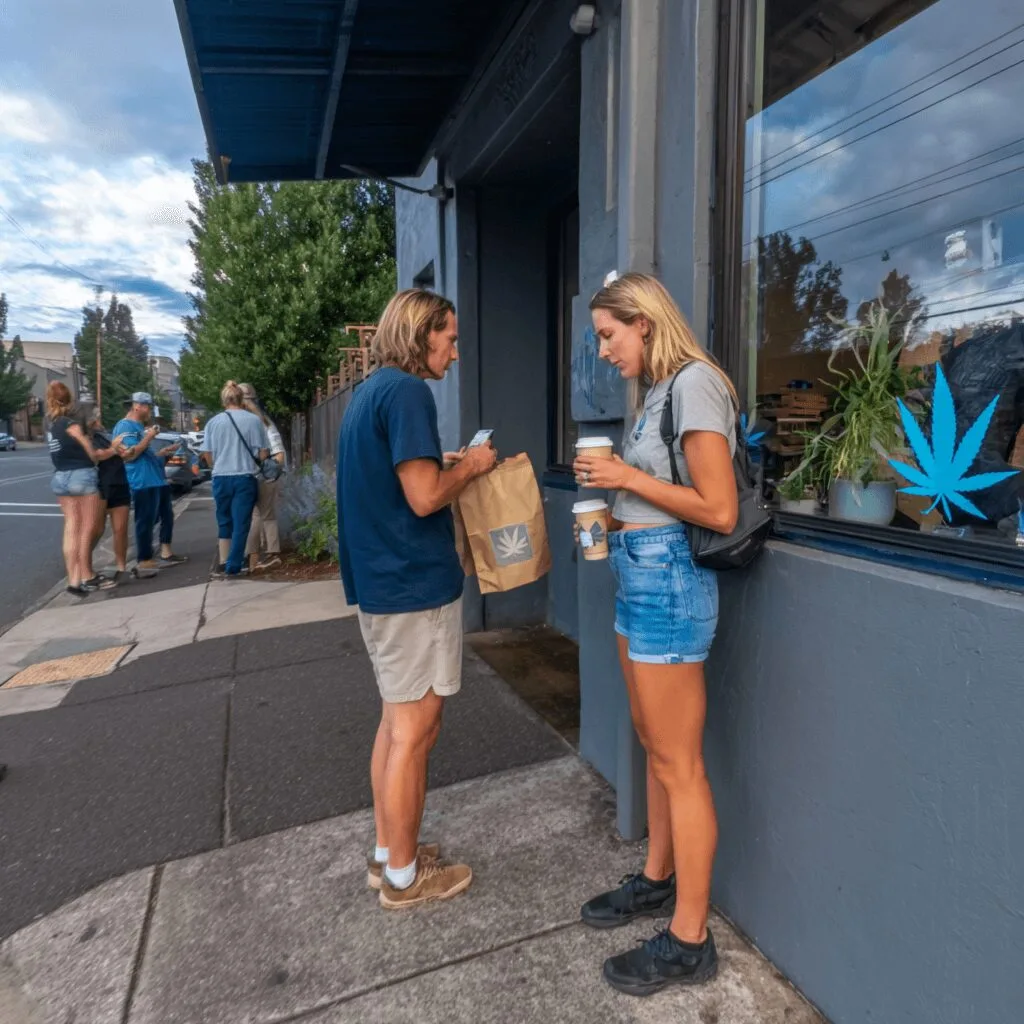
Washington cannabis laws: What’s changing for your rights?
There’s never been a more important moment to check in on the state of Washington cannabis laws. The Pacific Northwest—famous for its trailblazer attitude and chill vibes—just rolled out some big changes. If you’re a consumer, a medical patient, or work in the industry, these updates could shape your rights, workplace rules, and daily life. Let’s break down what’s new, why it matters, and how Washington’s evolving approach mirrors larger industry trends.
Background: How Washington Cannabis Laws Set the Stage
Since Washington legalized recreational cannabis in 2012, the state has established itself as a trendsetter in reform, balancing public safety, business growth, and individual freedom as priorities. According to the Washington State Liquor and Cannabis Board, ongoing updates ensure regulations reflect modern cannabis science, workplace realities, and shifting public attitudes. These laws affect not only licensed dispensaries, but also employers, patients, law enforcement, and regular folks out for a Saturday stroll in Spokane. The evolution is similar to how national policy changes influence cannabis reform elsewhere. With new employment protections, family leave rules, and evolving business compliance standards, understanding the latest changes to Washington cannabis laws is key for anyone working, living, or rolling up here, and they reflect a larger national movement toward cannabis normalization.
Key Developments & Issues: What’s Actually Changing?
Recent updates to Washington cannabis laws, effective in mid-2024, cover everything from employment protections to industry rules. According to KHQ News, here are the big changes:
- Employment Protections: As of January 1, 2024, employers can no longer discriminate against job applicants solely for testing positive for off-duty cannabis use. This means your weekend wind-down is less likely to cost you a job, aligning with legislation signed by Gov. Jay Inslee last year. However, certain positions, like those in law enforcement or involving safety-sensitive work, remain exceptions.
- Industry Transparency: New compliance standards require stricter inventory tracking for cannabis businesses, advancing the state’s already robust seed-to-sale requirements. According to regulators, this aims to prevent diversion to illegal markets and ensure product safety for consumers. This focus on transparency follows high-profile incidents, such as major marijuana product recalls in other regions.
- Family Leave Adjustments: Updates to Washington’s family leave laws impact those working in the cannabis sector, bringing them into line with employees in other major state-regulated industries. These changes seek to clarify eligibility and reporting requirements for dispensary workers who need time off for family or medical reasons.
- Market Stability: The Washington State Liquor and Cannabis Board has announced additional support mechanisms for small, independent dispensaries, aiming to level the industry playing field as retail competition heats up.
While not a free pass to light up anywhere, public use rules and other restrictions still apply, these changes show the ongoing adaptation and refinement of Washington cannabis laws as legal cannabis grows up.
Expert Analysis & Insights: What Do These Changes Mean?
Let’s keep it real, Washington cannabis laws have always been an experiment in finding the right balance. Protecting applicant rights from unnecessary testing stigma is a significant move forward. As NORML Executive Director Erik Altieri recently stated, “No one should be denied employment or otherwise discriminated against simply because they responsibly use cannabis in their personal time.” These changes reflect growing acceptance, and similar reforms are taking place in other states, mirroring the ongoing debates detailed in recent New Jersey dispensary legal battles.
Experts at MJBizDaily note that tightening inventory rules also helps Washington maintain its reputation for safe, legal products, reducing risk for consumers and operators alike. Meanwhile, inclusion of cannabis employees in expanded family leave policies signals that workers in this sector are gaining legitimacy, catching up with peers in healthcare or hospitality.
However, as the industry gets bigger, so do growing pains. It’s not all sunshine, increased compliance sometimes means more paperwork for small businesses, and employment protection carve-outs, like for law enforcement, show where stigma still lingers. Those shifts in workplace policy also align with national questions about how cannabis is impacting pain relief and broader healthcare practices.
What’s Next? The Future of Washington Cannabis Laws
Here’s the upshot: the latest tweaks to Washington cannabis laws might seem technical, but they mark major steps toward fairer workplaces, safer products, and broader acceptance. According to a recent report from the Seattle PI, support for expanded legalization and reform is higher than ever among Washingtonians.
As more states adopt similar policies—and as federal reform creeps closer—Washington continues to serve as a model for responsible, evidence-based cannabis laws. Whether you’re a job seeker, business owner, or simply a supporter of civil liberties, these changes prove that momentum is shifting in the right direction.
Stay tuned, stay informed, and don’t forget: your rights and the future of Washington cannabis laws are still evolving. Onward and upward, Evergreen State!
Originally reported by: khq.com
1 Comment
Pingback: Vape Detectors in Schools: Do They Stop Student Vaping?