





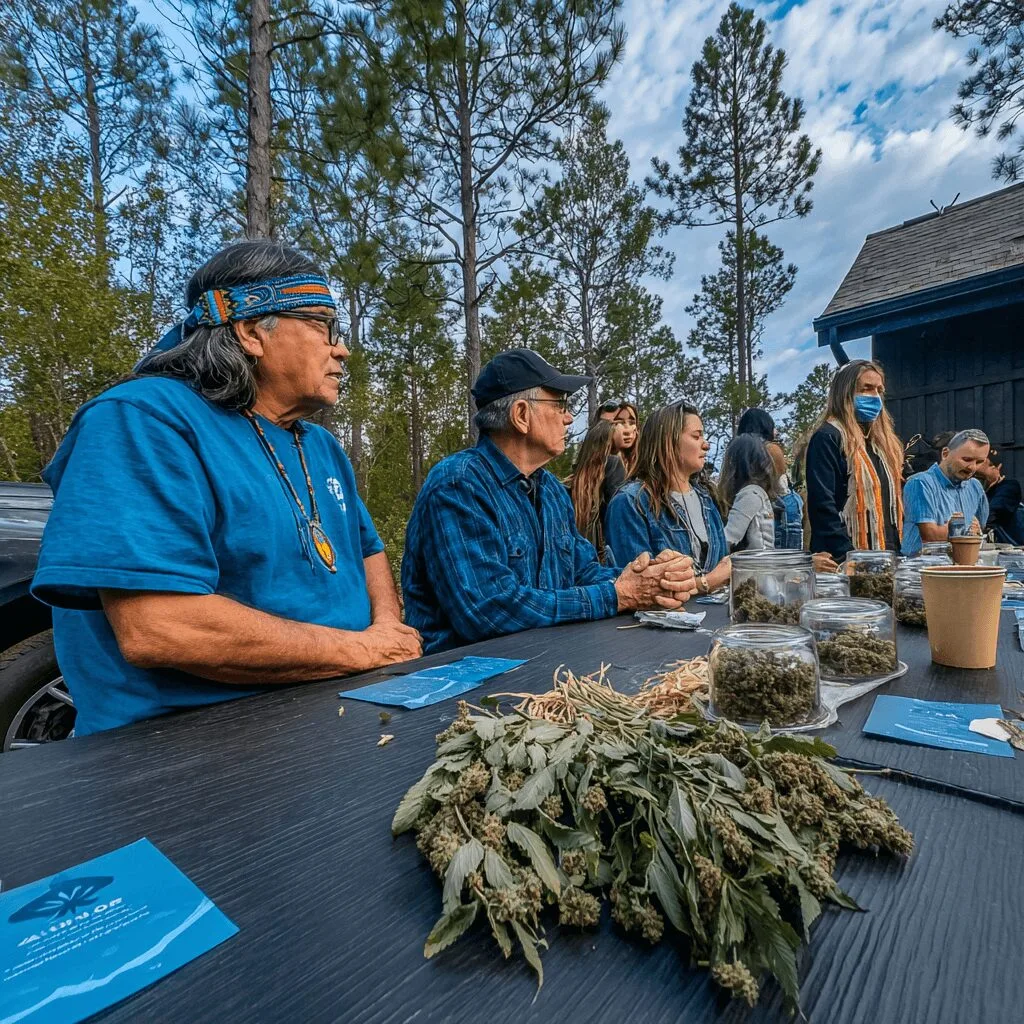
Bois Forte cannabis compact: What This Means for Minnesota
It’s official—Minnesota just took a huge step with the Bois Forte cannabis compact, shaking up the whole conversation around legal cannabis and tribal sovereignty. With legalization still buzzing across the country, the Bois Forte Band of Chippewa’s agreement with the state lands at a pivotal moment. This isn’t just another document: it’s tribal leaders and Minnesota officials choosing collaboration over confusion, paving the way for regulated, culturally grounded cannabis operations. In this article, we break down what’s in the compact, why it matters, and what this means for anyone watching Minnesota’s evolving cannabis marketplace.
Regulatory History and Tribal Leadership: Context for the Bois Forte Cannabis Compact
For years, U.S. tribal nations have navigated a patchwork of cannabis laws, often caught between federal, state, and tribal rules. Minnesota legalized adult-use cannabis in 2023, joining a wave of states pushing the green frontier (MPR News), while also reflecting changes seen as far away as Alabama, where local marijuana law enforcement has undergone major shifts. But until lately, tribal sovereignty and cannabis licensing marched down different paths. While federal law still frowns on marijuana, the Department of Justice has set guidance giving tribal nations space to self-regulate, especially after the historic Cole and Wilkinson memos (US Justice Department). Minnesota’s tribal compacts, like the new Bois Forte cannabis compact, create legal clarity. Compacts mean tribes can operate dispensaries, regulate their own cannabis businesses, and set their own standards, without waiting on state bureaucracy. This model mirrors what’s happening in states like Washington and Nevada, where tribal enterprises have become cornerstones of the legal cannabis economy, according to Marijuana Moment. For the Bois Forte Band of Chippewa, the compact isn’t just paperwork. It represents a new era where sovereignty and commerce meet, blending traditional values with modern business.
Key Developments: The Bois Forte Cannabis Compact Unveiled
The real headline, on December 31, 2025, was the Bois Forte Band of Chippewa announcing they’d finalized a groundbreaking cannabis compact with Minnesota. Signed by state regulators and tribal leaders, this deal brings Bois Forte’s operations fully above board, making them among the first Minnesota tribes to formalize such a partnership, following the lead set by the Red Lake and White Earth Nations. As FOX21 Online reported, the compact includes clear rules for cultivation, product safety, taxes, and legal distribution. This agreement allows the Bois Forte Band to run cannabis operations on tribal land, aligning product testing and quality standards with state law, and clarifies revenue sharing, tax protocols, and ongoing oversight. These developments are not unlike recent changes in Michigan, where shifting tax laws are significantly impacting dispensary operations (see the Michigan marijuana tax law update). This compact is about more than just retail—it’s a model showing how states and sovereign nations can partner up without conflict. While the details remain under wraps until a public release, the immediate effect is that Bois Forte can open dispensaries and production facilities, providing jobs and kickstarting the local green economy. Tribal government representatives have noted that they’re already fielding business proposals and starting education efforts for community members and visitors alike.
Expert Analysis: Why the Bois Forte Cannabis Compact Matters
This agreement signals a major shift in the Midwest’s cannabis landscape, advancing the transition already underway in states like Ohio, where marijuana laws are also evolving rapidly. Nationwide, more tribes are taking control of their cannabis destinies. According to the National Cannabis Industry Association, compacts like Bois Forte’s show how tribal nations can tap into lucrative markets while retaining sovereignty and community control (NCIA).
Veteran advocate and industry consultant Mary Jane Thomas told Leafly,
“Tribal compacts like Bois Forte’s set a gold standard for how legal cannabis can honor both culture and compliance. It’s not just about business, it’s about restoring self-determination and economic vitality.”
That spirit is at the heart of this move. The compact lets Bois Forte set its own pace, cultural priorities, and economic terms, strengthening the framework for health and safety—common trouble spots for illicit dispensaries in other states such as Missouri, where the debate over illegal cannabis dispensary operations remains heated. As the Minnesota market matures, these legal tribal projects will almost certainly influence best practices, partnerships, and broader acceptance statewide. For those concerned about patchwork laws or market disparities, industry experts point to the compact as evidence that real collaboration works best when it’s grounded in respect and transparency.
What’s Next? Future Potential for Minnesota’s Tribal Cannabis
The Bois Forte cannabis compact sends a strong signal: Minnesota’s cannabis era is tribal, progressive, and very much open for business. More compacts could follow, driving rural job growth and opening doors for wider partnerships—all while promoting best-in-class safety and social responsibility. If historians look back, they’ll see 2025 as a turning point for sovereign cannabis in the Midwest.
According to Cannabis Law Report, compacts like this could serve as templates for dozens of other states now eyeing tribal partnerships. It’s about more than profit. It’s about autonomy, justice, and healing—values that run older than cannabis prohibition itself.
If you’re tracking legal weed, indigenous rights, or just cheering for a smarter industry, watch Bois Forte closely. Their cannabis compact is a reminder that the green economy isn’t just growing—it’s growing up, with tribes leading the way.
Originally reported by: fox21online.com


1 Comment
Pingback: Teen Drug Use Trends: Surprising Facts Parents Must Know