





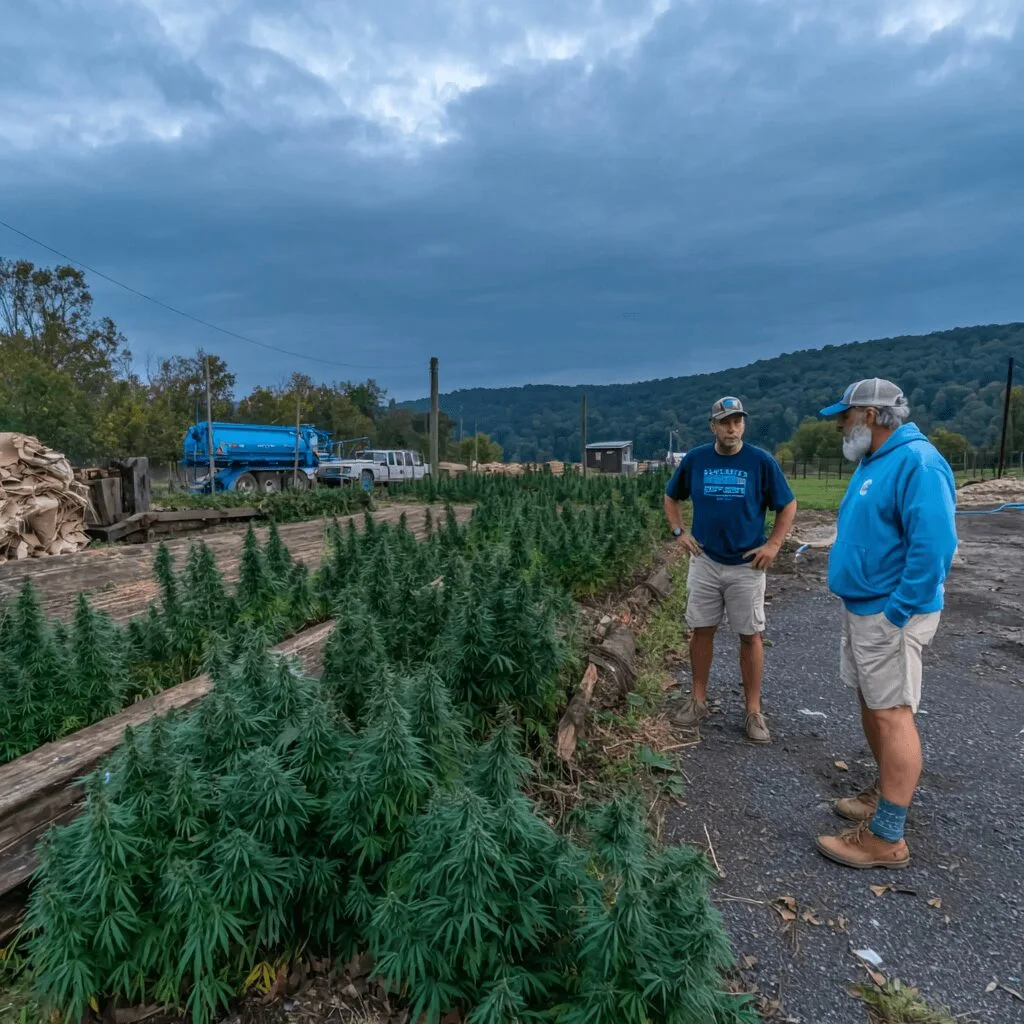
Pennsylvania hemp regulations: What’s changing right now?
Here’s the real scoop: Pennsylvanians working in hemp are feeling the shake-up yet again. The winds of change are blowing strong, thanks to new updates in Pennsylvania hemp regulations. That’s not just statehouse drama – it directly affects farmers, CBD brands, and anyone invested in the crop’s future across the Keystone State. As lawmakers and regulators update requirements, understanding what comes next isn’t just smart – it’s essential for staying in the game. Let’s dig in, break down new rules, and see why Pennsylvania hemp regulations are in the headlines right now.
The Regulatory Roots: How We Got Here
Pennsylvania’s relationship with hemp is complicated, like a classic 4:20 chat on legalization. Legal hemp returned in 2017 after generations in legal limbo (Pennsylvania Department of Agriculture), but each season has brought new layers of compliance and oversight. Since the 2018 Farm Bill federally legalized hemp under tight THC limits, states like Pennsylvania have played catch-up, crafting specific rules for production, testing, and sale. Meanwhile, market demand for CBD and industrial hemp has expanded, putting pressure on lawmakers to set guidelines that keep pace. As new laws shift in neighboring regions, there are parallels with evolving cannabis legalization debates, such as those influencing Ohio’s marijuana ballot measures. Ongoing Farm Bill debates, consumer safety concerns, and pressure from both advocates and skeptics all factor into the current legislation. And just so you know, industry watchdogs like MJBizDaily continually track how states like PA are setting benchmarks for hemp and cannabis regulation. In short, the state’s farmers, processors, and sellers haven’t been able to just coast. Pennsylvania hemp regulations keep evolving as policymakers wrestle with economic opportunity, safety, and ever-changing federal guidance.
Major Updates: What’s New in Pennsylvania Hemp Regulations
This winter, Pennsylvania rolled out some of its boldest hemp reforms yet. According to a feature in the Pittsburgh Post-Gazette, the Shapiro administration announced several regulatory changes impacting growers, processors, and retail operators. Here’s what stands out:
- Revised Licensing Requirements: Effective January 1, 2026, all permit applicants and renewals must follow new verification procedures and background checks imposed by state regulators, intended to weed out bad actors while streamlining renewal for compliant players.
- Tighter THC Compliance: New mandates reduce the threshold for field-testing and in-lab sample scrutiny, with surprise inspections now officially part of the state’s oversight toolkit.
- Cultivation Limits: The updated policy introduces acreage caps for first-time licensees, aimed at slowing “hemp speculation” and reducing risk for regional co-ops.
These rules quickly ripple through the industry. Major growers such as Keystone Botanicals and Central PA Hemp announced that expansion plans are being revisited, citing the additional compliance costs and new reporting headaches. At the same time, advocacy groups like Pennsylvania Hemp Industry Council have voiced cautious support for tighter quality controls but warn about unintended blows to smaller operators. The state government says the new Pennsylvania hemp regulations are all about protecting consumers and encouraging legit businesses over opportunistic newcomers. This reshaping of policy mirrors trends arising in other legal markets, as in the recent cannabis industry predictions for 2026. In the mix, farmers are sounding off about uncertainty, and some CBD brands are holding back on launches until the dust settles. Industry observers confirm that 2026 will be a turning point for Pennsylvania hemp regulations, with more reviews planned each legislative season.
Analysis: Why These Changes Matter, and What Can Go Right
Here’s where it gets real. Reforms in the Pennsylvania hemp regulations scene aren’t just about law books or red tape. They shape jobs, crop choices, and the long-term credibility of the whole cannabis space. Pennsylvania’s tweaks have serious ripple effects, especially as other states look to local outcomes for guidance. Many industry pros argue that while oversight is good, inconsistency and rapid changes can make farmers feel stuck in a constant game of regulatory limbo. But, done right, solid rules protect the industry from bad press and promote consumer safety. As Hemp Grower magazine recently cited: “Regulatory guardrails, when crafted with growers and processors at the table, pave the way for stability and investment.”, Cassandra Lewis, Executive Director, Pennsylvania Hemp Industry Council. In other words, clear Pennsylvania hemp regulations, despite their growing pains, build a foundation for a more respected and sustainable industry. Nationally, news of increased enforcement and legal shifts can put smaller operators on edge, similar to some enforcement actions that have made headlines, like those involving distribution cases (trafficking issues between Oklahoma and Texas). According to Leafly’s industry insights, consistent guidance, fair testing, and transparent licensing are must-haves if hemp and eventually broader cannabis are to prosper. By setting higher standards without stifling innovation, Pennsylvania can become a model, not a cautionary tale.
Looking Ahead: Hemp’s Future in Pennsylvania
So, where does all this leave us? If you’ve ridden the cannabis regulatory rollercoaster before, you know nothing stays static for long. While some see current Pennsylvania hemp regulations as yet another speed bump, others sense a real chance to upgrade standards and craft a legit, community-rooted industry. As oversight gets tighter, advocacy and education become even more important, keeping small farmers and new consumers in the loop. According to NORML, smart regulation paired with open dialogue is key to social acceptance and industry progress. Expect more tweaks ahead—but also expect Pennsylvania farmers and entrepreneurs to find a way through. The long-term vibe is hopeful: higher quality, greater job security, and a welcoming environment for what could be the East Coast’s next green gold rush. If you care about Pennsylvania hemp regulations, stay tuned—because the best is yet to come.
Originally reported by: post-gazette.com
1 Comment
Pingback: Pennsylvania hemp industry regulations: What’s disrupting growth?