





Drug Testing at Traffic Stops: What San Diego Police Use Now
Things are changing fast, folks. The way law enforcement handles cannabis behind the wheel is under a bright, fresh spotlight. With San Diego rolling out new tech for drug testing at traffic stops, every cannabis consumer, advocate, and curious onlooker is watching to see the fallout. As legalization sweeps the nation, these roadside tests hit right at the intersection of safety, civil liberties, and evolving attitudes on weed. In this article, we’ll break down what’s really happening, how the new system works, and what it means for anyone rolling down California’s sunlit roads.
Background: Why Drug Testing at Traffic Stops is Heating Up
California’s cannabis scene is legendary, but it’s also highly regulated. Ever since adult-use was legalized, lawmakers, law enforcement, and everyday stoners have been asking: how do you keep roads safe while respecting rights? According to the Los Angeles Times, concerns over increased impairment behind the wheel have led to new policies. But here’s the rub: unlike alcohol, there’s no clear-cut, universally accepted roadside test for THC impairment. Different police departments have tried field sobriety tests, blood draws, and even old-school eye checks, but reliability is a hot topic. Social pressure from safety advocates remains strong, but organizations like NORML point out the dangers of criminalizing responsible consumers. Meanwhile, local governments are eager to show they’re proactive without alienating voters who support legal weed, especially as communities look to approaches that have helped revitalize smaller towns with new perspectives, as seen in how cannabis retailer repurposing is breathing new life into small town streets.
Key Developments: What San Diego Police Are Really Using
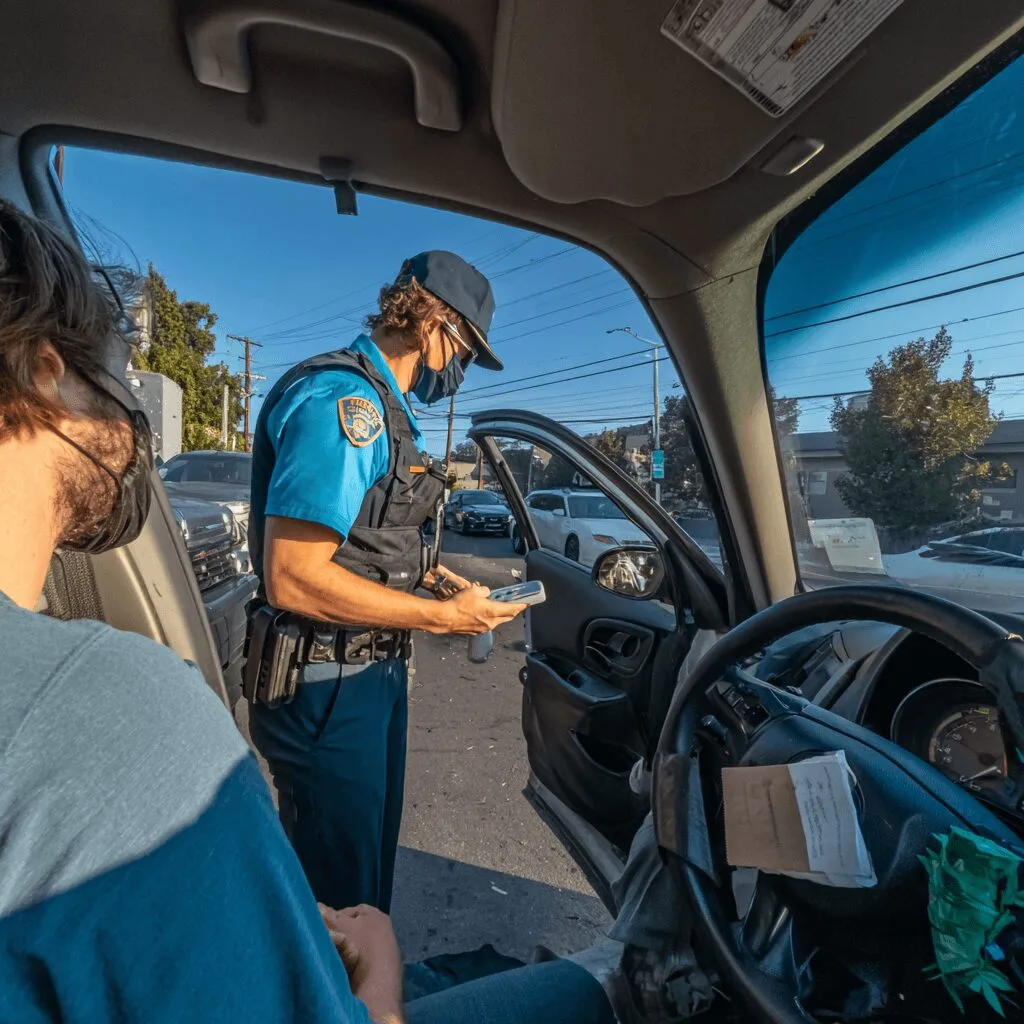
San Diego is now using a handheld screening gadget, the SoToxa oral fluid test device, at drug testing at traffic stops. According to a detailed report from CBS 8 San Diego, these devices can detect substances like cannabis, cocaine, opiates, and amphetamines from saliva in about five minutes. The rollout started in 2023, but ramped up in early 2024, as confirmed by ABC 7 News. Officers say this tech helps them quickly identify who might be driving under the influence, even when alcohol isn’t the culprit. The device is discreet, not a huge contraption, but something that looks almost like a glucose meter. While the company Alere Toxicology supplies the tests, city officials insist results are never used as the sole piece of evidence. Legal experts, including representatives from ACLU San Diego, continue to question whether a positive test really proves impairment at the time of driving. But make no mistake, more and more motorists are encountering drug testing at traffic stops every week in San Diego. The move reflects a larger statewide and national trend, as mentioned by the National Institute on Drug Abuse. Recent regulatory developments in other states are also shaping these shifts in enforcement at the roadside, much like how new Ohio cannabis laws are changing everyday life in 2024.
Expert Analysis: Breaking Down What This Means for Cannabis Users
So, what does this all mean? First, let’s get real: most cannabis advocates agree impaired driving isn’t cool, whether it’s weed, wine, or whiskey. But here’s the kicker: existing saliva-based drug testing at traffic stops just can’t measure when, or even if, someone’s actually high behind the wheel. THC lingers in saliva long after effects fade. Dr. Staci Gruber, a neuroscientist at Harvard Medical School, told Leafly, “Presence of THC in saliva doesn’t necessarily equate to impairment. The science simply isn’t there yet.” The cannabis industry and harm reduction advocates continue to push for fairness. Groups like Marijuana Policy Project and Cannabis Industry Journal stress the need for science-based approaches. The tension is clear: law enforcement wants rapid results, but consumers deserve accuracy. False positives put non-impaired drivers at risk of serious legal headaches, not to mention stigma. In fact, research from NORML shows that public confidence in roadside testing drops when science is still evolving. These complications highlight the important need for public education and access to fact-based information, in the same way that new findings about THC and pain relief are shaking patient expectations, as discussed in recent studies on THC pain relief.
What’s Next? The Road Ahead for Cannabis and Drug Testing at Traffic Stops
Big changes are rolling down the highway, but so is progress. While San Diego’s new device raises tough questions, it also pushes the discussion toward better policies. Industry leaders, policy nerds, and everyday folks are demanding improvements—smarter science, fairer enforcement, and common sense. According to Leafly’s latest coverage, more states are piloting unbiased impairment standards and funding real research. Let’s be honest: cannabis isn’t going away, and neither is legalization. That means future roadside tech will need to evolve too. The ultimate goal? Keeping roads safe without punishing responsible, legal users just for living their best life. As California continues to refine its approach, expect smarter laws, broader education, and ultimately a safer, more inclusive cannabis culture—for everyone.
Originally reported by: cbs8.com

1 Comment
Pingback: Marijuana Impaired Driving Policies: What States Must Fix Now