





WakeMed shooting THC gummies: Inside the Search Warrants
It’s impossible to ignore what’s going down with the WakeMed shooting THC gummies news. The combo of gun violence, cannabis products, and law enforcement scrutiny puts a spotlight on the changing landscape of legal edibles in the South. Whether you’re a patient, a skeptic, or a seasoned cannasseur, these recent developments stir real questions about regulation, safety, and perception. In this article, I’ll break down why the WakeMed shooting THC gummies controversy matters, how it fits into the wider cannabis scene, and what it means for anyone invested in the plant’s future.
THC Gummies & the Southern Legal Landscape, Context Behind the Headlines
The WakeMed shooting THC gummies story isn’t just a blip, it’s a signal in a nationwide conversation about the future of cannabis, especially in states where laws remain complex. North Carolina, the home base for WakeMed, sits at the epicenter of a regulatory clash. While neighboring states like Illinois and New York move forward with medical and recreational frameworks, North Carolina still prohibits THC-rich edibles outside tightly regulated medical use. Meanwhile, products like delta-8 THC and other derivatives linger in legal gray areas, often found in convenience stores and gas stations, according to NORML. Consumer attitudes are evolving quickly, and edibles’ popularity is surging, not just for convenience, but for their role in medical scenarios. For those interested in understanding how THC compounds manifest clinically and what patients should recognize immediately, see this guide on clinical implications of CBD and THC use. Yet, these shifting dynamics create tension between efforts to protect public safety and the evolving needs of patients and consumers.
The WakeMed Incident, Search Warrants, Legal Actions, and Core Developments
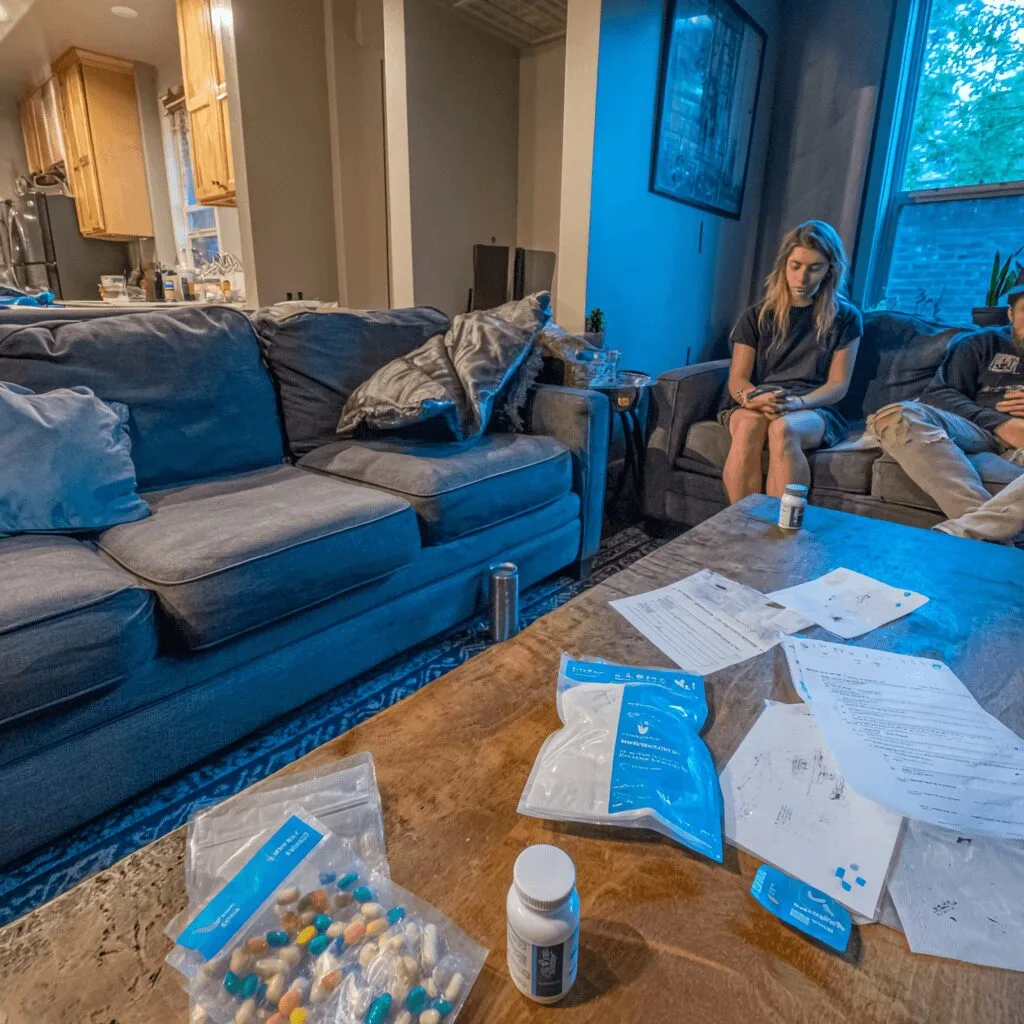
The WakeMed shooting THC gummies story began unraveling on June 13, 2024, when an altercation at the hospital led police to a stunning discovery. According to local news coverage, officers responded to shots fired, which set off a chain reaction, including search warrants executed at an apartment linked to a WakeMed patient. What they found would quickly spark debate, as a table cluttered with a bag of bright THC gummies—clearly labeled with cannabis imagery—sat beside a prescription bottle. Police reports detailed an ongoing investigation into both the shooting and the illicit THC edibles discovered on site. Investigators determined the gummies contained delta-9 THC concentrations exceeding federally legal limits, prompting questions about enforcement and compliance. Continuing scrutiny from state officials has prompted repeated warnings to retailers on the hazards of non-compliant edibles. Similar to how regulatory changes ripple across other regions, the confusion in North Carolina echoes the shifting landscape shaped by actions like the tax benefits tied to cannabis rescheduling, highlighting the clash between evolving law and on-the-ground realities. Now, WakeMed, patients, and advocates are left navigating complex cultural and legal crosscurrents.
Expert Analysis, The Real Impact on the Cannabis Discussion
This WakeMed shooting THC gummies episode transcends tabloid fodder, revealing critical contradictions in policy. Cannabis industry analysts, including the team at Marijuana Moment, have observed, “When law doesn’t keep pace with scientific evidence and consumer demand, incidents like these are bound to happen.” For medical patients, restrictive access means they’re sometimes forced into unsafe choices. Elsewhere, prohibitionists may use cases like WakeMed as justification for harsher rules, missing the progress seen where oversight prevails. States with comprehensive regulation and education—such as Oregon—demonstrate that risk can be reduced and vulnerable groups protected. The struggle in North Carolina illustrates a nationwide dilemma; as some regions advance, others remain in limbo. For a closer look at how legal ambiguity poses challenges beyond the hospital context, review the broader implications in recent public safety incidents like the major commercial THC transportation case. Overall, the WakeMed events invite policymakers, health officials, and the public to imagine smarter regulations that safeguard everyone involved.
Looking Forward: Lessons and Opportunities for Cannabis Reform
Despite the controversy over the WakeMed shooting THC gummies, the broader trend in America is unmistakable—more states are moving toward legalization, regulation, and education. The latest reports from Leafly News underline how public opinion now strongly favors safe access and reasonable regulation over punitive crackdowns. North Carolina stands at an inflection point, with advocates, lawmakers, and business owners all watching cases like WakeMed carefully. If policymakers can learn from these incidents, the opportunity for reform is real: clear standards, transparency for consumers, and legal access for those who need it most. The cannabis industry, driven by innovation and public demand, will keep evolving—and as stories like WakeMed show, the human impact stays front and center. Here’s hoping for more clarity, compassion, and common sense as cannabis finally comes into the light.
Originally reported by: newsobserver.com

1 Comment
Pingback: Kentucky THC drink laws: What You Need to Know Now