




DOJ marijuana rescheduling: What Congress Really Thinks
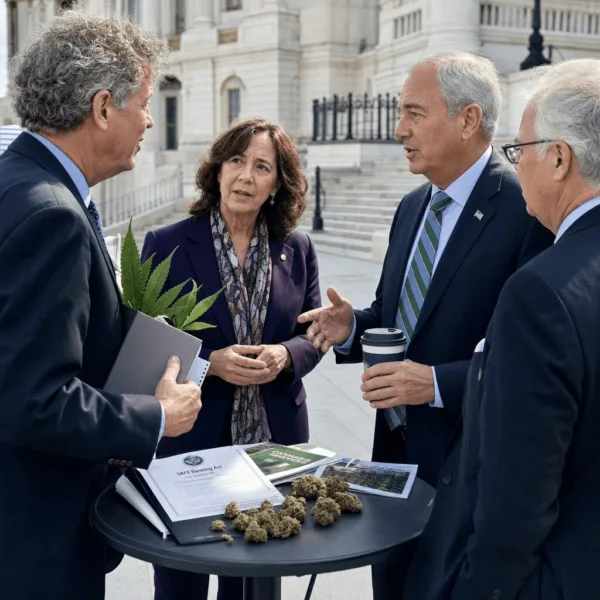
The debate swirling around DOJ marijuana rescheduling is reaching its peak. With the U.S. Department of Justice contemplating a historic shift in federal cannabis policy, everyone from patients to policymakers is watching. Congress is at the center of this action, and recent developments have sparked real conversations about marijuana’s future under federal law. As the landscape changes, understanding what’s happening—and why—could help you stay one step ahead in this rapidly evolving industry.
The Complex Backdrop: Cannabis Regulation and Political Forces
America’s relationship with cannabis is, let’s just say, complicated. Cannabis remains federally illegal, classified as a Schedule I substance, right up there with heroin and LSD, according to DEA scheduling guidelines. Meanwhile, over 20 states have legalized adult-use marijuana, and medical markets are booming. This disjointed legal landscape makes federal movement on DOJ marijuana rescheduling both highly controversial and desperately needed. Major trade groups, policy think tanks, and veteran advocates have long called for Washington to address these contradictions. Yet lawmakers consistently clash about the best path forward, torn between outdated stigma and modern economic realities. The result, industry uncertainty, legal dilemmas for businesses and consumers, and big questions about what true reform looks like. Trusted sources like Pew Research report overwhelming public support for legalization, underscoring the disconnect between voters and policymakers. Recent headlines have also highlighted concerns about state-level shifts, such as state legalization efforts potentially being at risk, further complicating the national picture.
Key Developments: DOJ Marijuana Rescheduling Moves, Congressional Concerns, and Federal Uncertainty
Recently, news broke that the DOJ is seriously considering rescheduling marijuana from Schedule I to Schedule III, a huge step that could unlock new research, ease banking hurdles, and reshape law enforcement priorities. According to a widely cited Marijuana Moment article, Congressional Research Service (CRS) analysts believe the DOJ could ignore executive branch directives, even those from former President Trump, regarding marijuana rescheduling. This revelation followed an internal CRS memo, dated recently, distributed to key committee members reviewing the DOJ marijuana rescheduling debate. The CRS researchers highlighted the considerable discretion DOJ holds, noting there’s no automatic requirement for the department to follow presidential orders on rescheduling. This puts significant power squarely in the hands of current decision-makers at DOJ and, crucially, Congress. Lawmakers have already weighed in, some demanding that Congress, not a federal agency, serve as the ultimate decider. Legal analysts and advocacy organizations continue to track every twist, including the DOJ’s evolving timelines and the complex administrative hoops that could still stall progress. For more on how this power struggle intersects with recent political developments, see how congressional power plays affect current cannabis policy.
Expert Analysis, Industry Insights, and Strategic Cannabis Advocacy
Let’s be real, DOJ marijuana rescheduling wouldn’t just shift laws, it would change lives. By reclassifying cannabis, research institutions could finally dig deeper, destigmatizing the plant from a scientific, economic, and social angle. Leafly News notes that moving cannabis to Schedule III would remove many tax roadblocks, putting more cash back in the hands of licensed operators. This isn’t just theory, the Congressional Budget Office has suggested rescheduling could trigger billions in new tax revenue and job growth. As Rob Kampia, co-founder of the Marijuana Policy Project, puts it: “Federal reform would finally let cannabis businesses operate like any other mainstream industry.” NORML, a respected advocacy organization, underlines that science, not politics, should dictate how cannabis is scheduled, defending patient access and research above all. The emerging consensus among top experts, the longer Congress and the DOJ wrangle, the more U.S. entrepreneurs and patients are left stuck in limbo. Market analysts from NCSL agree, the disconnect between state and federal law is costing the country dearly, both in missed opportunities and community trust. Industry insiders are watching closely, as reactions to the potential for rescheduling have caused major shifts in industry sentiment.
Looking Ahead: A Hopeful Road for Cannabis and Federal Reform
Despite political hurdles, the momentum for DOJ marijuana rescheduling is building stronger than ever. The cannabis space is driven by patient needs, market growth, and evolving social norms. Every delay from Congress and the DOJ risks deeper confusion and missed opportunities, but the overwhelming shift in public opinion signals a tipping point is near. According to Pew Research, more than 85% of Americans now support some form of legal access. Industry leaders predict that responsible, thoughtful reform is only a matter of time. Whether Congress steps up or holds back, cannabis will keep forging new paths—reshaping communities, economies, and lives. Stay tuned, stay informed, and don’t forget: being part of this movement isn’t just about policy, it’s about progress.
Originally reported by: marijuanamoment.net


1 Comment
Pingback: 2026 Cannabis Industry Outlook: Key Trends & Bold Predictions