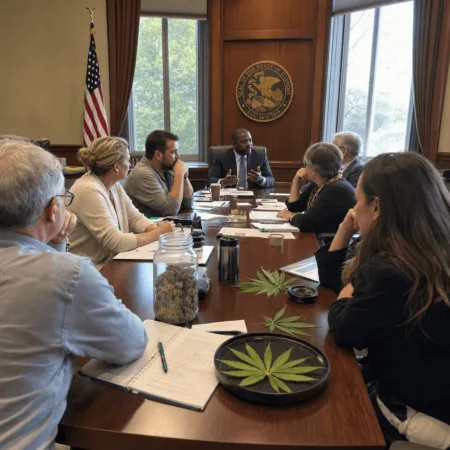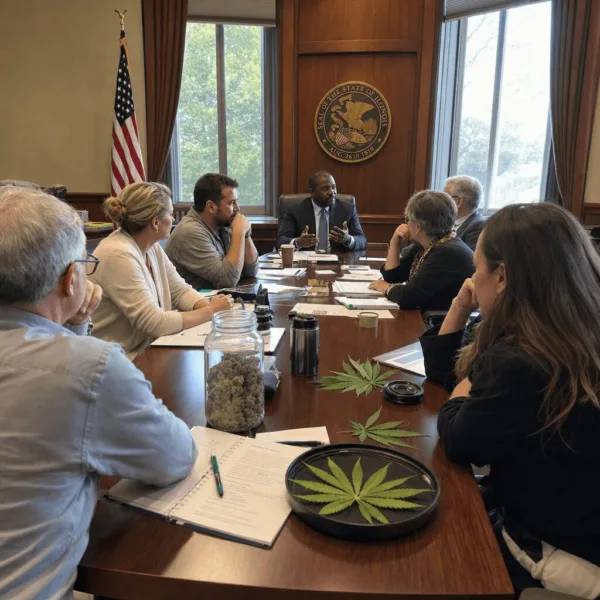





Right now, the buzz around marijuana sales tax proceeds is louder than ever. As more states legalize cannabis, tax revenue from these green goods is climbing fast. The fate of this cash flow could change everything for local governments, thanks to a pivotal court decision on the horizon. We’re breaking down why this case matters, what might shift statewide budgets, and how the future of marijuana sales tax proceeds could affect everything from public services to industry growth.
Background: How Marijuana Sales Tax Proceeds Shape Local and State Policy
Weed legalization isn’t just about rolling one up without looking over your shoulder. It’s about the dollars, lots of them, rolling into public coffers through marijuana sales tax proceeds. According to the Marijuana Policy Project, states have collected more than $15 billion in cannabis tax revenue since Colorado first legalized adult-use marijuana in 2014. This money often funds schools, infrastructure, mental health, and more. But, the legal landscape is a wild patchwork. Depending on the state, cannabis tax dollars can be earmarked, diverted, or fiercely contested. Take this summary of state-by-state cannabis tax rules: while some counties use proceeds for education, others invest in addiction support or policing. The stakes are especially high when local governments become reliant on these funds, and a single lawsuit can throw everything into question as regulations evolve. This is not unlike current debates in other regions, such as how everyday voices shape cannabis politics and policy discussions in Chile, highlighting how broader social and political contexts influence where marijuana sales tax proceeds are directed.
Key Developments: The Court Ruling That Could Reshape Marijuana Tax Revenue
Here’s the latest: In a small county that’s been banking on those sweet marijuana sales tax proceeds, a major legal decision is pending. According to credible news reporting from Yahoo, the county government is waiting to hear whether a recent court challenge will upend how marijuana tax income can be used, or whether it will keep flowing into local budgets as usual. The dispute centers on whether certain allocations of these proceeds align with state law regarding taxation and distribution. Legal filings cited by local authorities signal that millions of dollars in expected marijuana sales tax proceeds might suddenly be unavailable for community projects if the court rules against the county. Local governments facing similar challenges—like those discussed in the impact of new THC-related regulations on Ohio businesses—demonstrate how abrupt legal shifts can disrupt plans for roads, education, or public health that are financed with these proceeds. The ruling is expected within the next few weeks, and local leaders are prepping contingency plans in case the outcome disrupts major projects involving marijuana tax funding.
Expert Analysis and Cannabis Community Perspective
For those who’ve watched cannabis transform from underground culture to legit industry, the fight over marijuana sales tax proceeds is nothing new. Industry pros like Bruce Barcott, a senior editor at Leafly, emphasize, “Every tax dollar raised from legal marijuana is one less dollar going to the illicit market, plus a legit funding source for everything from school lunches to city parks.” In the bigger picture, this court decision mirrors past tension points for public cannabis cash, raising the question—should it be tied to specific uses or flexed as politicians see fit? Recent reports from the National Conference of State Legislatures show that transparent, apolitical allocation of marijuana sales tax proceeds increases public trust and encourages further legalization moves. Ultimately, these local disputes highlight the importance of clarity and consistency, both in legislation and implementation. The cannabis community typically champions flexible, equitable use—get these dollars working to undo past harms, fund education, and keep social impact front and center. Community debates over marijuana and public safety, like those arising after incidents such as the River Market arrest and police response in Little Rock, further demonstrate how vital it is to balance tax revenue priorities and address larger societal issues together.
Future Outlook and Conclusion: Growing Green for Communities
Whatever the outcome, one thing’s certain: marijuana sales tax proceeds are reshaping how cities and counties approach public finance. Even as court battles arise, the cannabis economy continues its boom—fueling not just innovation, but vital local services everywhere weed is legal. Experts and advocates alike remain optimistic that, with smart regulatory tweaks, marijuana sales tax proceeds will keep playing a key role in positive, inclusive community development. As NORML highlights, increased social acceptance and ongoing policy reform bode well for a system where everyone benefits, not just the bottom line. The court’s fate may change the game, but the future for cannabis—and the communities it lifts—looks greener than ever.
Originally reported by: yahoo.com