



Ohio THC beverage regulations: What Businesses Must Know
Ohio’s cannabis market is bubbling over with innovation, but with the new Ohio THC beverage regulations stirring the pot, business owners are paying extra close attention. The state’s tightening grip on infused drink rules is shaking up retailers, small businesses, and product makers. With public demand and regulatory scrutiny both at all-time highs, anyone in the state’s growing cannabis scene needs to understand what’s really happening—before the next compliance crackdown. Here’s how these updated regulations could impact the entire Ohio cannabis beverage game, and why this moment matters for everyone from bar owners to curious customers.
The Regulatory Backdrop: How Did We Get Here?
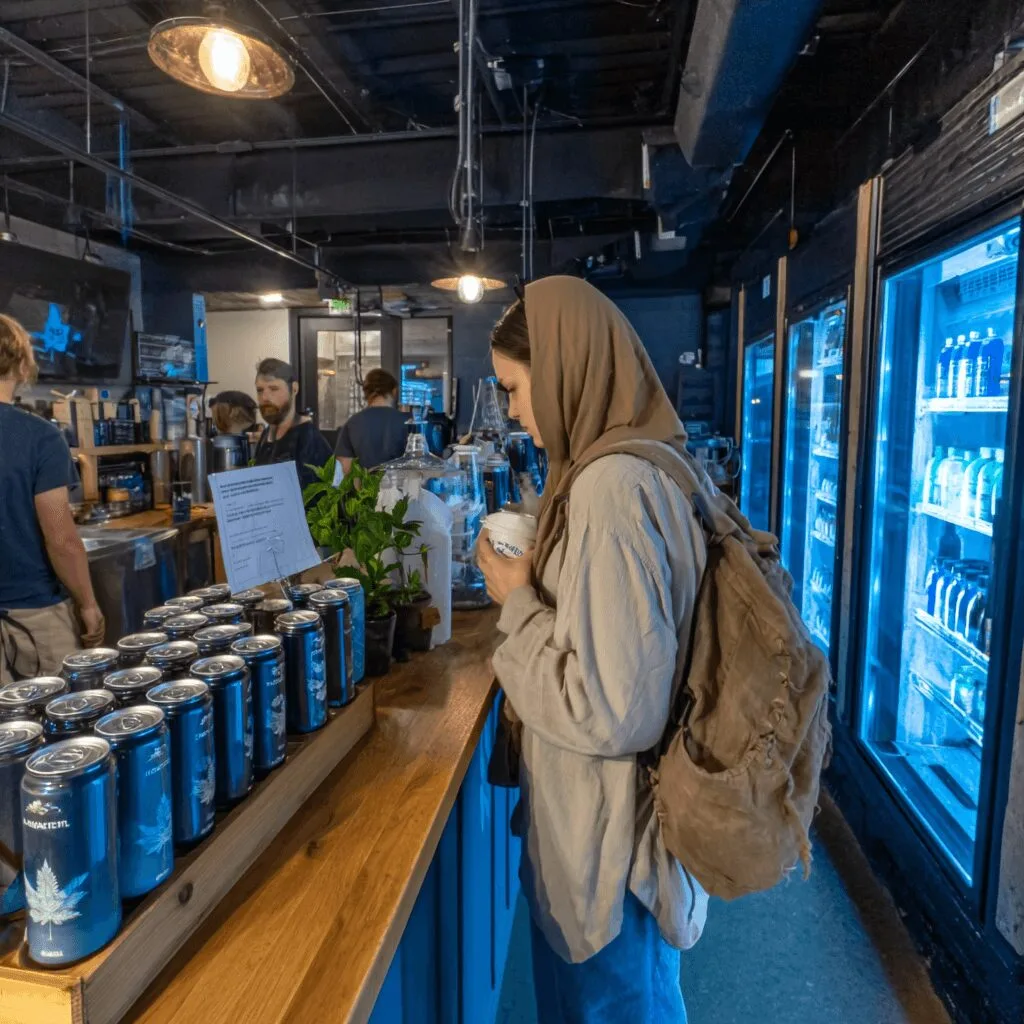
Ohio’s journey to legalized cannabis started slow, but is now picking up serious momentum. Following the state’s medical marijuana legalization in 2016, recreational cannabis came next, paving the way for all sorts of new infused products. As highlighted by the Cleveland.com, demand for THC edibles and beverages has soared, making these products highly visible in cafes, bars, and convenience stores across the state.
Unlike smokable or oil-based cannabis products, THC-infused beverages slip into familiar routines, with cans next to colas and seltzers. This market disruption has kept regulators alert, especially with concerns about product safety, underage access, and clear labeling. Ohio is now among several states seeking a middle road, fostering innovation while wrangling potential public health risks. In fact, these changes underscore conversations happening nationally about how marijuana legalization could reshape America, especially as explored in possible futures if the green light broadens nationwide.
New Ohio THC beverage regulations reflect mounting pressure on lawmakers to balance economic opportunity against the real risks of an emerging industry, influenced by similar moves in Illinois and Colorado, where loose beverage standards have sometimes led to controversy. In Ohio, this regulatory moment marks a turning point for social acceptance, and how new rules could set the national pace.
Key Developments: What’s Shaking Up the Ohio THC Beverage Market?
The original Yahoo News report details mounting anxiety among Ohio’s small business owners after the state’s Department of Commerce rolled out new Ohio THC beverage regulations in early June 2024. Effective immediately, the new rules require:
- Strict THC content limits per serving and bottle (10mg THC per serving, 100mg max per package).
- State-approved child-resistant packaging and explicit cannabis warning labels on all THC beverages.
- Mandatory registration for every THC-infused product sold, no more “test” launches or informal pop-up sales.
- Routine surprise inspections targeting dispensaries, cafes, bars, and any retail selling infused drinks.
According to the report, retailers like Dank Café in Columbus and Spark’d Brews in Cleveland have voiced concerns about rapidly changing guidelines. John Miller, owner of a local bar stocking cannabis seltzers, described feeling squeezed, saying, “We’ve invested thousands in these brands, and now we’re scrambling to prove compliance.”
Conflict has brewed as enforcement teams began spot-checking locations throughout June. Some business owners face fines or temporary product removals for minor mislabeling or unregistered brands, highlighting just how fast the new rules hit. While supporters claim these changes are long overdue, critics worry about burdensome paperwork and potential threats to small operators.
State officials, citing safety incidents with out-of-state products, argue these rules are essential for public health and clear consumer guidance. With similar shake-ups reported in states like Massachusetts, Ohio’s approach signals a regional trend towards much tighter regulatory oversight for infused beverages. Notably, these regulatory shifts mirror public concerns about marijuana policy and its impact on community safety, as discussed in recent debates surrounding public safety. As these Ohio THC beverage regulations reverberate statewide, countless businesses and consumers now face a rapidly changing landscape where compliance is key.
Expert Take: Deep Analysis and Industry Perspectives
Let’s get real, no one wants another regulatory mess or public health scare, but heavy-handed rules risk squeezing the little guys. Ohio’s THC beverage scene was just blooming, and now some fear overregulation could knock it back a few seasons. Industry leaders have spoken out.
As reported in Leafly, cannabis consultant Sarah Daley says, “States with clear, scalable beverage rules attract both responsible brands and satisfied adult customers. When you overcomplicate registration or labeling, you just send consumers to the gray market.” The key challenge here is to protect minors and public safety, while allowing businesses room to innovate and educate their customers without being buried in compliance headaches.
Ohio’s Department of Commerce says it’s working with stakeholders to fine-tune policy, acknowledging that rushed implementation can cause confusion and unintended hits to local economies. Critics, like those at Marijuana Moment, point out that a more collaborative approach could keep both safety and entrepreneurship front and center.
The ongoing evolution of regulations in states like Ohio coincides with weekly cannabis market analyses, as seen in recent roundups capturing market trends and regulatory impacts. The industry’s best bet may rest on sustained advocacy from business owners, and ongoing talks with state regulators, industry groups, and public health experts could ultimately shape a balanced future—especially if lessons from states like California and Colorado are highlighted. What everyone agrees on, Ohio’s decision will resonate far beyond its borders, setting precedents for upcoming states joining the beverage revolution.
Looking Ahead: Hope for the Ohio Cannabis Beverage Scene
While Ohio THC beverage regulations have thrown curveballs, this is no time to panic—it’s a time to strategize. Regulatory growing pains are a sign of an industry maturing. As major sources like the Benzinga Cannabis Market Analysis point out, robust dialogue between regulators and the community paves the way for smart policy.
Despite the bumps, Ohio’s THC beverage sector retains strong momentum, now more tightly woven into the fabric of daily life. Local small businesses are rallying together, forming advocacy alliances and launching educational initiatives to keep adult customers informed and policy makers engaged. With tighter rules, expect to see safer products, better labeling, and—eventually—more consumer trust.
The future is undeniably green: as the Ohio market adapts, innovation will keep bubbling up. With public support and smart reforms, the state could become a national leader in THC beverage innovation. No matter what, Ohio THC beverage regulations are now ground zero for industry transformation, showing that when cannabis and compliance jam together, everyone can win.
Originally reported by: yahoo.com