



Isanti County cannabis ordinance: What You Need to Know
Let’s talk about something buzzing in small town Minnesota—yes, the Isanti County cannabis ordinance. As legalization rolls out statewide, Isanti County is hustling to make sense of how cannabis fits its local vibe. With evolving Minnesota state laws, renewed calls for local control, and an energetic cannabis market rising, this ordinance is more than a city hall thing—it’s a community-defining moment. Stay tuned for a full breakdown of the context, the latest moves by Isanti County, expert takes, and what it might mean for the future of legal cannabis here.
Background and Context: Why the Isanti County Cannabis Ordinance Matters
The legalization landscape in Minnesota has shifted quickly. In 2023, Minnesota became the 23rd state to legalize adult-use cannabis, setting the stage for counties to tailor local policies (MPR News). With this, each county, including Isanti, must determine how to manage dispensaries, cultivation, and public safety. The Isanti County cannabis ordinance is the county’s tool to regulate the new green industry while balancing resident concerns and market potential. Local governments are under pressure to adapt, as cannabis companies look for expansion opportunities and residents watch to see how accessible safe, legal products will become. These regulatory debates play out against a backdrop of evolving federal signals, and while cannabis remains federally illegal, federal enforcement is minimal when local laws are solid (NORML). Social attitudes are shifting, too, with public support for legalization higher than ever in Minnesota and beyond (Pew Research). Across the country, policymakers are also closely monitoring cannabis-induced illness trends as highlighted in recent reports on rising cases in 2024 (learn more here).
Key Developments and Issues: What’s Happening with the Isanti County Cannabis Ordinance?
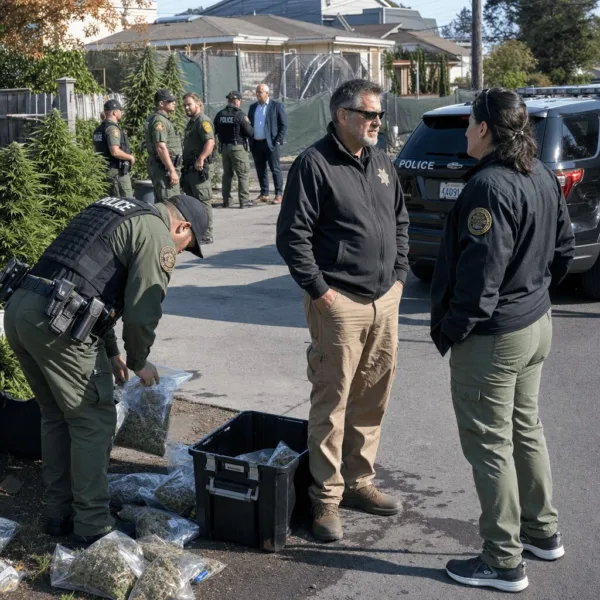
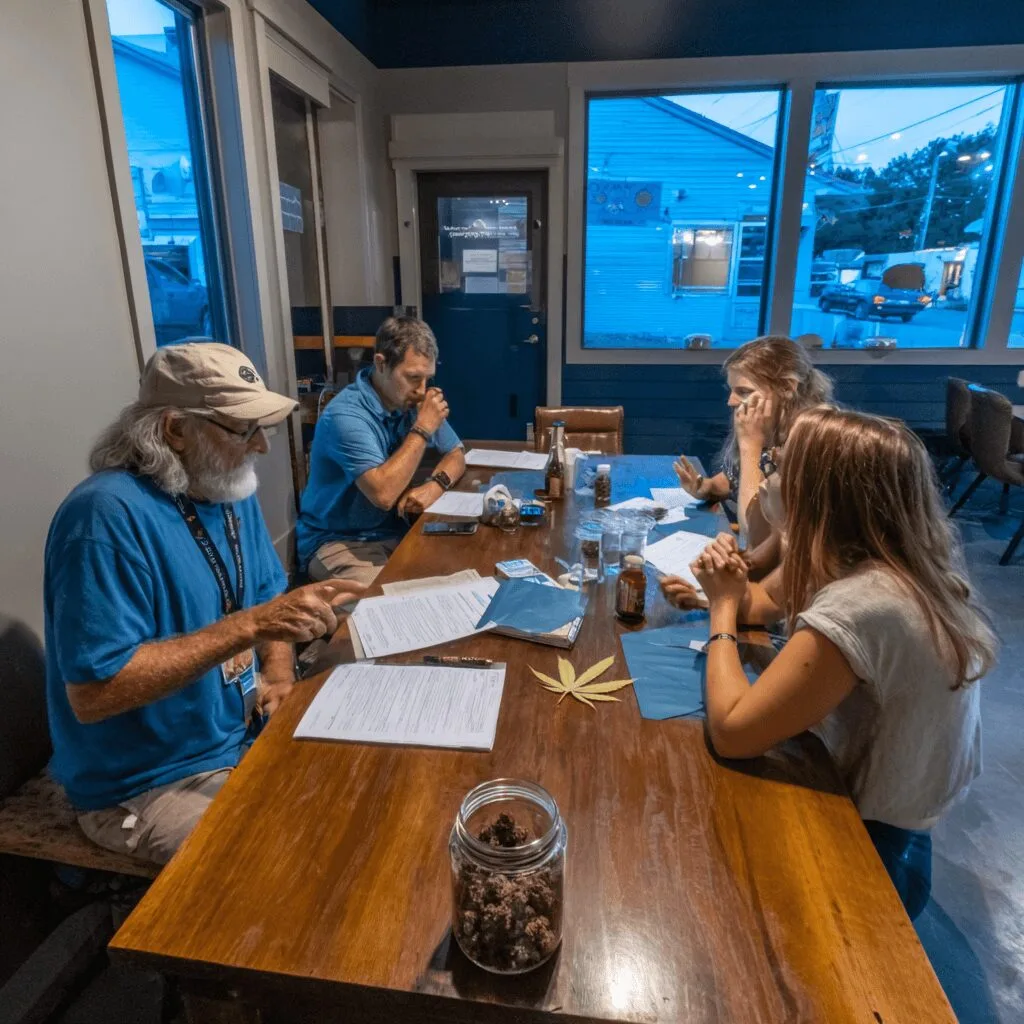
Here’s what’s sparking talk around Isanti. The county board recently held public meetings to hash out specifics of the Isanti County cannabis ordinance. Their focus: setting reasonable limits on retail dispensaries, clarifying zoning rules, and creating a framework for local law enforcement. According to the County News Review, officials debated key provisions, including where businesses can set up shop, how close they can get to schools, and whether to allow cultivation sites. These issues have also mirrored concerns across communities where marijuana-infused products have been accidentally brought into schools, setting off heated debates among parents and educators—such as the recent shocking events that led to panic over cannabis-laced candy in a Minnesota kindergarten (read about the incident). The ordinance aims to balance safety and economic opportunity. Local stakeholders—parents, business owners, and advocates—showed up to voice every angle. Several specific amendments (including setbacks from youth facilities and home-grow limits) were discussed in detail. This process echoes what’s happening in other parts of Minnesota, where municipalities work to tailor ordinances to fit local values (Star Tribune). While the Isanti County cannabis ordinance remains in draft, momentum is high for finalizing the rules soon and setting a local precedent.
Expert Analysis and Cannabis Advocate Insights
The Isanti County cannabis ordinance isn’t just paperwork, it shows the tightrope counties walk as state markets update. Drawing from industry heavyweights like Marijuana Policy Project (MPP), clear, consistent rules tend to foster safe, successful markets. Local ordinances are flashpoints for navigating public health, business potential, and changing attitudes about cannabis. As John Hudak, author and senior policy analyst at the Brookings Institution, puts it: “Giving localities a seat at the cannabis table ensures regulation fits community needs, while avoiding the patchwork chaos that frustrates consumers and entrepreneurs.” (Brookings). Parents have voiced new concerns over THC product sales to minors, with recent scandals igniting national outrage and highlighting the need for robust local safeguards (see the story). The good news: experts predict Isanti County’s measured approach will encourage responsible business, boost tax revenue, and undermine illegal sales. But it’s clear, effective communication and realistic local rules, not just copy-paste from big cities, are central to ensuring a safe yet thriving industry.
Future Outlook and Optimistic Conclusion
Looking ahead, the Isanti County cannabis ordinance is more than local politics—it’s a signal of evolving norms. As more counties join the legal market, Minnesota’s cannabis industry is poised for growth that’s safer and more accessible. Success here could become a model for rural communities statewide. With smart policy, open conversation, and trusted oversight, Isanti County’s ordinance can lay the foundation for a green economy—one where cannabis fits naturally and responsibly into everyday life. As Leafly reports, regulatory clarity leads to better outcomes for everyone. The future’s looking bright (and a little greener) for Isanti and Minnesota’s budding cannabis scene.
Originally reported by: hometownsource.com

1 Comment
Pingback: Cannabis Conditional Use Permit: What You Need to Know