






In recent months, a sharp rise in cannabis-induced illness cases has captured the attention of both health professionals and longtime cannabis enthusiasts. Why is this happening now, and what should regular users know? As more states relax laws and cannabis products multiply across dispensaries, new patterns of usage—and potential pitfalls—have come to the forefront. This discussion matters deeply right now because millions are navigating the evolving landscape of legal weed, potency standards, and emerging health trends. We’ll break down the causes behind these cannabis-induced illness cases, current news, and what all this means for consumers and the industry.
The Regulatory and Social Context: Understanding Today’s Cannabis Landscape
Cannabis policy has transformed rapidly across the United States. Since the landmark legalization wave starting in Colorado in 2012, over 20 states now allow adult-use sales, and even more permit medical programs, as seen in detailed policy reviews by NORML. More stores, more brands, and higher-potency products have become part of everyday life. But regulatory oversight hasn’t always kept pace. Currently, industry standards on THC concentration, labeling, and testing vary widely. As reported by MJBizDaily, state-to-state laws result in wildly different consumer warning labels, packaging rules, and product formulations. Meanwhile, social acceptance has soared, as national surveys like those by Pew Research show, with nearly 9 in 10 Americans supporting some form of legal cannabis. Under this patchwork of rules and surging demand, both known and unexpected effects of cannabis use are coming into sharper focus, including a pronounced uptick in cannabis-induced illness cases. These evolving industry standards are also intersecting with state-level legal reforms, as reflected in the recent major changes to hemp product regulation in Michigan, which have influenced how products are formulated and regulated nationwide. Consumers may not realize that today’s edibles, vapes, and concentrates can pack a much stronger punch than the joints of yesteryear, sometimes triggering adverse reactions, especially in newer or sensitive users.
Breaking Down the Surge: Key Developments & Headlines
According to recent coverage by WRAL News, health providers have reported a noticeable spike in cannabis-induced illness cases across several states. Emergency rooms cite symptoms like intense nausea, vomiting, anxiety, and even temporary psychosis. Most of these cases trace back to high-THC edibles, potent vape cartridges, and unregulated cannabis-derived products. Doctors in the WRAL report point to the popularity of gummies and infused snacks as a critical factor, noting that accidental overconsumption is increasingly common, as precise dosing and delayed onset effects can easily catch people off guard. Reports indicate that hospital admissions involving children who accidentally ingest edible cannabis are on the rise, often due to packaging that resembles regular candy, a fact underscored by incidents in schools where cannabis-infused products have caused distress among young students, such as the recent panic at a kindergarten after marijuana was found in school candy. Just last month, North Carolina’s Poison Control Center released data showing a 30% jump in cannabis-related ER visits compared to last year, mirroring wider national statistics. At the same time, the industry is seeing new lawsuits and regulatory scrutiny, with companies scrambling to update safety information and warning labels to reassure both regulators and the public. But the takeaway is clear: cannabis-induced illness cases have risen not just because of increased usage, but due to shifts in product forms, potency, and gaps in consumer education, especially as legal and illicit markets run side by side.
Expert Insights: Interpreting the Wave of Cannabis-Induced Illness Cases
So, what should we make of this wave of cannabis-induced illness cases? Industry observers emphasize that this is less about cannabis itself and more about how, and how much, people are consuming.
Dr. Peter Grinspoon, a Harvard-trained physician and cannabis specialist, puts it bluntly: “Cannabis remains one of the safest euphoriants known, but overdoing it with today’s products, especially edibles, can be an unpleasant ride.” Reactions like cannabinoid hyperemesis syndrome (a condition marked by severe nausea and vomiting) are rare but increasing, mostly seen with heavy or chronic usage of high-THC concentrates. Industry watchdogs such as the Leafly Newsroom stress the importance of consumer education. Despite the uptick in cannabis-induced illness cases, context is crucial, as the rate of severe or lasting injury remains very low compared to substances like alcohol. To address ongoing questions about shifting regulations and how they affect public health, recent articles have explored what’s really changing in drug policy and why it matters. Most users, once properly informed, can safely adjust their habits—just as drinkers learned to moderate once potent craft cocktails hit the mainstream.
Looking Forward: Growth, Learning, and a Safer Cannabis Future
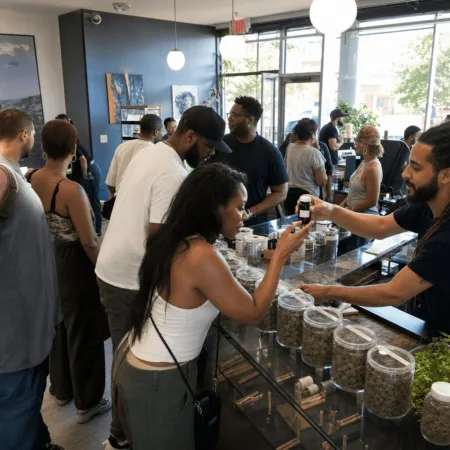
Even as headline numbers for cannabis-induced illness cases rise, the industry is responding with serious innovation and education. Dispensaries across the US are rolling out clearer signage, improved packaging, and comprehensive budtender training to help reduce accidental overconsumption. Forward-thinking companies are investing in responsible marketing—making sure customers know exactly what’s in their edibles or concentrates. Regulators are catching up too: in states like California and Illinois, new laws now require enhanced warning labels and public awareness campaigns (as highlighted by California’s Department of Cannabis Control). The future? Expect continued caution and calls for consistency, but also broad optimism as attitudes mature and best practices spread. Responsible reform, open communication, and political progress are steering the cannabis industry toward safer, more inclusive horizons—while empowering users to make informed, stress-free choices. For all the bumps along the road, the evolution of legal weed remains a powerful example of public health and policy working hand in hand.
Originally reported by: wral.com

1 Comment
Pingback: Isanti County cannabis ordinance: What You Need to Know