



Shocking Truth: Infant Death Marijuana THC Connection Revealed
There’s a big buzz shaking the cannabis scene right now: the headline-grabbing topic of infant death marijuana THC. Whether you’re a seasoned cannabis advocate or just following mainstream news, the growing conversation can’t be ignored. Recent high-profile incidents and new research have sparked urgent public debate around how cannabis use may, or may not, intersect with issues of child safety and mortality. With so much speculation and misinformation floating around, it’s time to get straight to the facts—backed by real expertise—on what this means for the community, industry, and families at large.
Setting the Scene: Legal, Regulatory, and Social Forces
The intersection of infant death marijuana THC sits at the heart of today’s evolving cannabis landscape. Over the last decade, legalization has swept across states, with regulators at sites like Illinois and Colorado refining strict frameworks for cannabis safety. These frameworks address marketing, packaging, and, most importantly, limiting access for minors. Cannabis is still federally classified as a Schedule I substance, according to the DEA, which means scientific studies and guidance get stuck in regulatory limbo, making it hard for parents, caregivers, and policymakers to separate legitimate risks from sensationalist headlines. Meanwhile, the industry is growing rapidly, with the U.S. legal market hitting $30 billion in 2023, according to New Frontier Data, and this growth brings urgent questions about accidental exposure and child safety to the forefront. For a closer look at how such regulatory trends might shape the future of cannabis policy, see this in-depth perspective on cannabis reclassification research shaping our future.
Breaking News: Facts and Developments in the Maverick Bouck Case
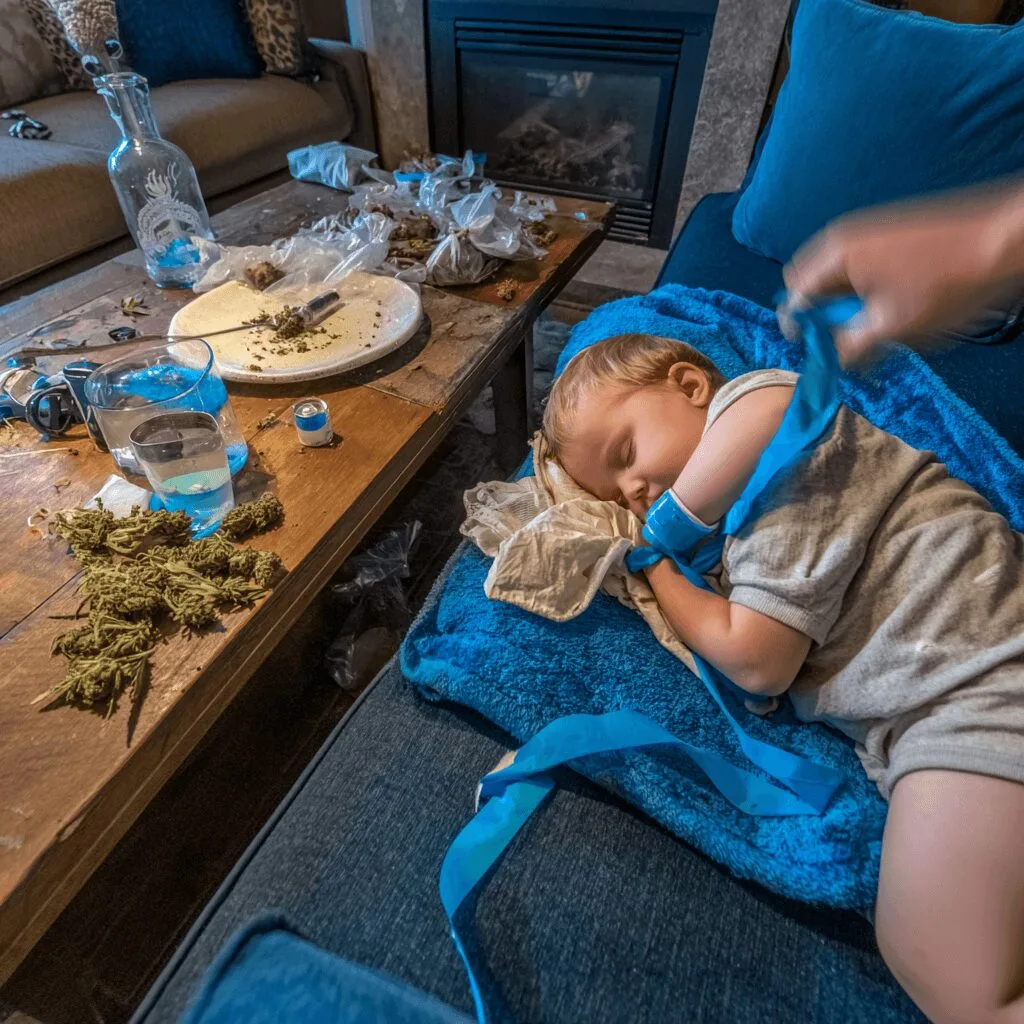
The recent case at the center of this infant death marijuana THC firestorm involves the tragic death of 8-month-old Maverick Bouck in Michigan. Court documents reported by WZZM13 state that authorities found the infant unresponsive in his home. Key details cite a medical examiner’s report, which identified the presence of THC—a primary psychoactive component in marijuana—in the child’s system. Detectives indicated the possible source as accessible marijuana paraphernalia around the household. Legal proceedings have brought public scrutiny to the availability and safe storage of cannabis products in homes with children. As of June 2024, adult THC consumption remains legal in Michigan, yet authorities emphasize the ongoing importance of responsible storage and use, particularly around minors. The case has reignited heated debates, drawing national attention and fueling calls for stronger regulations, clearer parent education, and better clinical research into cannabis-related risks. For broader context about Michigan’s cannabis market and the challenges it faces, you may want to read about the Michigan cannabis tax impact and its effects on local businesses.
Expert Insights: Understanding Cannabis, Risks, and Industry Standards
Let’s not mince words, nobody in the responsible cannabis community dismisses the seriousness of infant death marijuana THC incidents, but it’s essential to bring nuanced, expert-driven context to the table. Most research, including peer-reviewed studies summarized by NORML, emphasizes that there’s no established causal relationship between THC exposure and fatality in infants. Accidental ingestion, while rare, remains a real concern. According to Dr. Peter Grinspoon, a Harvard-trained physician specializing in addiction medicine, “There are no verified cases where cannabis alone directly caused an infant’s death. The risks arise more from improper storage and carelessness, not the plant itself.” (Source: Harvard Health Blog). As child safety becomes more critical with cannabis going mainstream, ensuring childproof packaging and comprehensive public education campaigns are vital. To understand evolving public perceptions and concerns about cannabis, especially during important times, see what people are really saying in this recent discussion on marijuana risks and attitudes.
Looking Ahead: Reform, Responsibility, and Real Solutions
While the story of infant death marijuana THC is understandably charged and emotional, it opens the door for smarter, evidence-based policies rather than knee-jerk overreactions. The cannabis industry has shown a remarkable ability to self-regulate—from national adoption of child-resistant packaging to increased funding for pediatric toxicology research. According to Leafly, leading cannabis companies now routinely partner with health experts to update best practices. As legalization expands and public awareness grows, actual instances of accidental THC ingestion can become even rarer through proactive education and regulation. Let’s remember: as cannabis gains acceptance and legitimacy, the focus must always stay on responsibility, safety, and honest communication. The future of cannabis—done right—looks bright, safe, and constructive for everyone, families included.
Originally reported by: wzzm13.com