


Colorado psilocybin regulations: Surprising edible restrictions
The world of psychedelics is seeing big shifts, especially in Colorado. Right now, Colorado psilocybin regulations are in the spotlight. Why? Because these new rules could redefine everything about how magic mushrooms are consumed, marketed, and understood—mostly by banning those popular edibles, like gummies and chocolates. With growing interest from wellness seekers and medical professionals alike, big changes are coming to how psilocybin is accessed and consumed. This is a turning point for anyone tracking cannabis and psychedelics law. Let’s break down why these evolving regulations matter and what industry insiders need to know.
Understanding the Background: Market, Legal, and Social Drivers
Colorado’s journey with psychedelics mirrors its progressive path with cannabis legalization. The passing of Proposition 122 in November 2022 was a game-changer, setting the stage for the legal use of psilocybin in therapeutic settings. According to The Denver Post, this move placed Colorado at the forefront of a national conversation about alternative therapies. Unlike the recreational cannabis rollout, these new Colorado psilocybin regulations aim to prioritize health, public safety, and careful market evolution, rather than instant retail access.
From the outset, lawmakers and local regulators have highlighted concerns around public perception, youth access, and managing the influx of interest. Shaping psilocybin guidelines has turned into a balancing act, providing safe, intentional use while rolling out a system resilient to abuse. Add to that an emerging clinical evidence base (peer-reviewed in journals like JAMA Psychiatry), and you’ve got a climate where public health and regulatory caution walk hand-in-hand with market potential and patient hope. For additional perspective on how national debates are influencing mental health discussions, see this broader look at how psychedelics and mental health intersect.
Key Developments: What’s Actually Changing with Colorado Psilocybin Regulations
The main headline? Colorado’s psilocybin rules are putting strict limits on consumer-friendly edible options. According to recent coverage from Westword, the draft rules—released by the Natural Medicine Division at the Colorado Department of Revenue as of spring 2024—prohibit psilocybin in commonly recognized confectionary products at licensed centers. So, anyone hoping to snag a psilocybin-infused gummy or chocolate in Colorado will have to reset those expectations, at least for now.
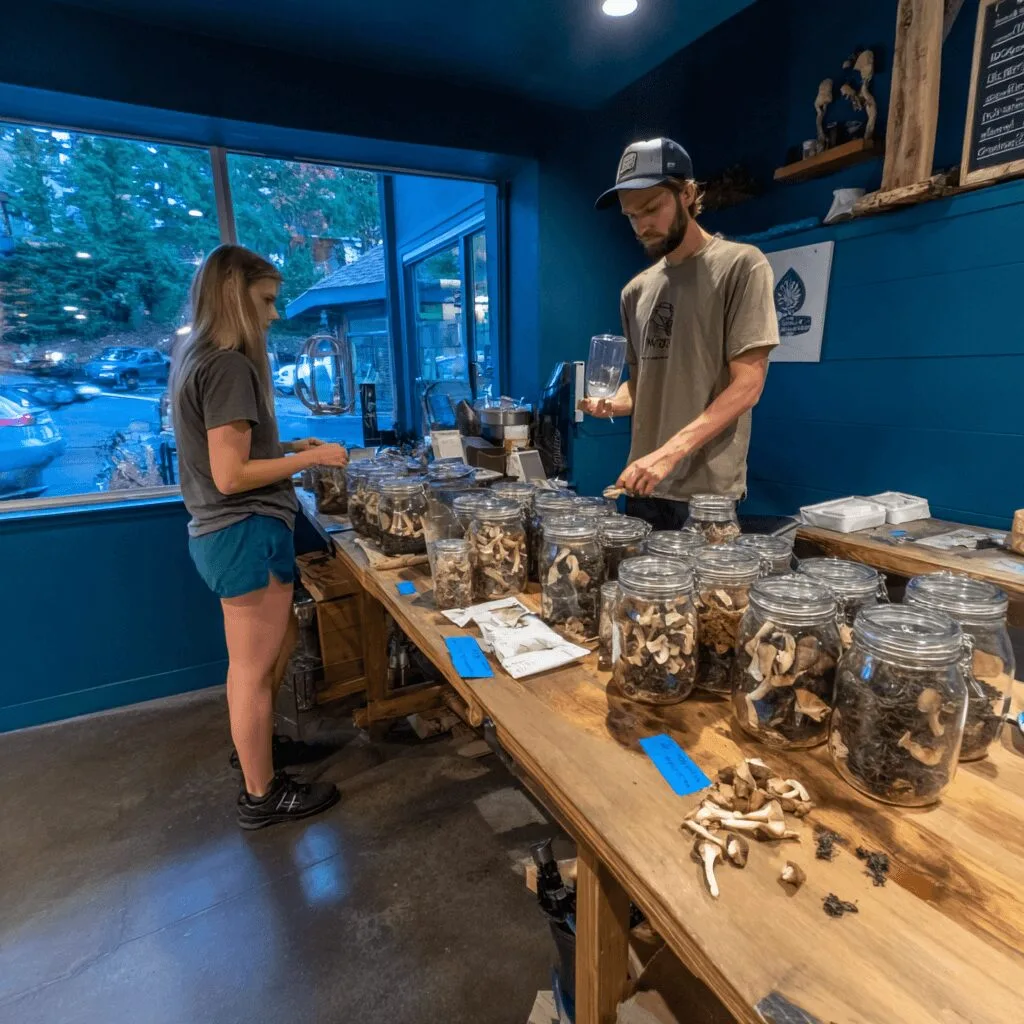
The draft rules specifically exclude the use of psilocybin in candies, baked goods, and infused sweets, citing risks of accidental consumption, especially among kids and uninformed adults. Instead, the focus is on raw, dried, or encapsulated mushroom forms, which are seen as safer and more controllable during administration. The department asserts that these restrictions are temporary, designed to give regulators breathing room while assessing broader impacts (per official state resources).
This move aligns with warnings from early-stage clinical researchers, including feedback from the Multidisciplinary Association for Psychedelic Studies (MAPS), who have stressed the importance of slow, deliberate regulation. It also echoes lessons learned from earlier regulatory booms in legal cannabis, as similar developments have shaped the regulatory landscape for both Michigan’s evolving marijuana taxation and Colorado’s own journey, helping inform the evolving approach to public safety.
Expert Analysis: What These Rules Mean and Why They Matter
On the surface, these new Colorado psilocybin regulations might seem like a buzzkill for fans of creative edibles, but there’s more beneath the surface. The state is taking a cue from earlier cannabis oversight to avoid repeat problems. That makes sense, because nobody wants to see a repeat of the ‘gummy bear crisis’ that caught regulators off-guard during cannabis legalization. For those monitoring national policy debates, it’s relevant to note how rescheduling debates, like the recent federal reclassification discussions, are shaping reform and enforcement decisions at the state level.
Industry pros are divided, but many acknowledge this cautious approach may build industry trust in the long run. As Jane Stewart, an educator with the Americans for Safe Access advocacy group, put it, “The edible restrictions don’t signal a ban forever. They’re meant to protect the movement from a backlash before a safe, controlled market emerges.” This perspective is echoed in Forbes analysis, where regulators emphasize that public health missteps can stall progress for years, if not decades.
Others see clear links to the maturing cannabis industry, where edible regulation ultimately brought safer products and consumer trust. By starting with natural psilocybin forms, Colorado may avoid early-stage regulatory chaos. Plus, the therapy-first model fits closely with how major clinical trials are being run in the US, grounding the legal rollout in credible science (MAPS research). For indigenous communities and broader economic outlooks, some experts note that historic agreements shaping cannabis policy on tribal lands may offer lessons for inclusive and context-sensitive regulatory design nationwide.
The Road Ahead: Future Outlook and Final Thoughts
All told, Colorado psilocybin regulations are being built to withstand political scrutiny and public health concerns while pushing toward mainstream acceptance. Sure, the edible ban stings for some, but it’s a small detour on a long road to normalization. Many analysts believe this incremental, safety-first rollout could serve as a blueprint for states eyeing similar programs. As research and public acceptance grow—as noted in recent Pew Research studies—the overall approach may prove wise for a market still finding its feet. There’s every reason to believe that, with careful regulation and open-minded advocacy, the Colorado model will continue turning skeptics into supporters and opening new therapeutic horizons for patients and seekers alike. The future of psychedelics, like cannabis, is all about responsible growth, evidence-based progress, and a little Colorado DIY spirit.
Originally reported by: westword.com
1 Comment
Pingback: Wisconsin legalize marijuana: Is 2024 the year for change?