

Urgent: Child Meth Marijuana Exposure Case Shocks Community
Recent revelations of a tragic child meth marijuana exposure case have forced our community to confront uncomfortable realities around substance safety, parenting, and shifting cannabis norms. The “child meth marijuana exposure” incident isn’t just another cautionary news flash—it’s igniting serious questions about household safety, current laws, and cannabis responsibility in 2025. In this piece, we’ll break down what went wrong, why this case matters now more than ever, and how regulators, advocates, and families can actually create positive change in a time when cannabis and other substances are more visible than ever before.
Understanding Regulatory and Social Context
Over the past decade, the regulatory landscape around cannabis has evolved rapidly. With an increasing number of states legalizing recreational or medical cannabis, the lines between legal adult use and child safety concerns can blur. According to the National Conference of State Legislatures, over three dozen states have passed some form of legal cannabis law. This surge in availability has brought fresh safety guidelines into focus. Parents, schools, and childcare experts have all raised alarms about accidental child exposure as cannabis products, alongside illegal substances, appear more frequently in everyday households. These modern debates—especially concerns in places with changing marijuana regulations—mirror the ongoing public pressure seen in cities demanding policy change, much like Atlanta’s recent push for marijuana reclassification. Law enforcement and child protection agencies now need to balance public health innovations against the ongoing risk of child meth marijuana exposure. Socially, there’s growing debate over parental responsibilities in homes where legal or illegal substances are present, and experts stress the urgent need for educational campaigns to bridge this awareness gap.
Key Developments: The Savannah Exposure Incident
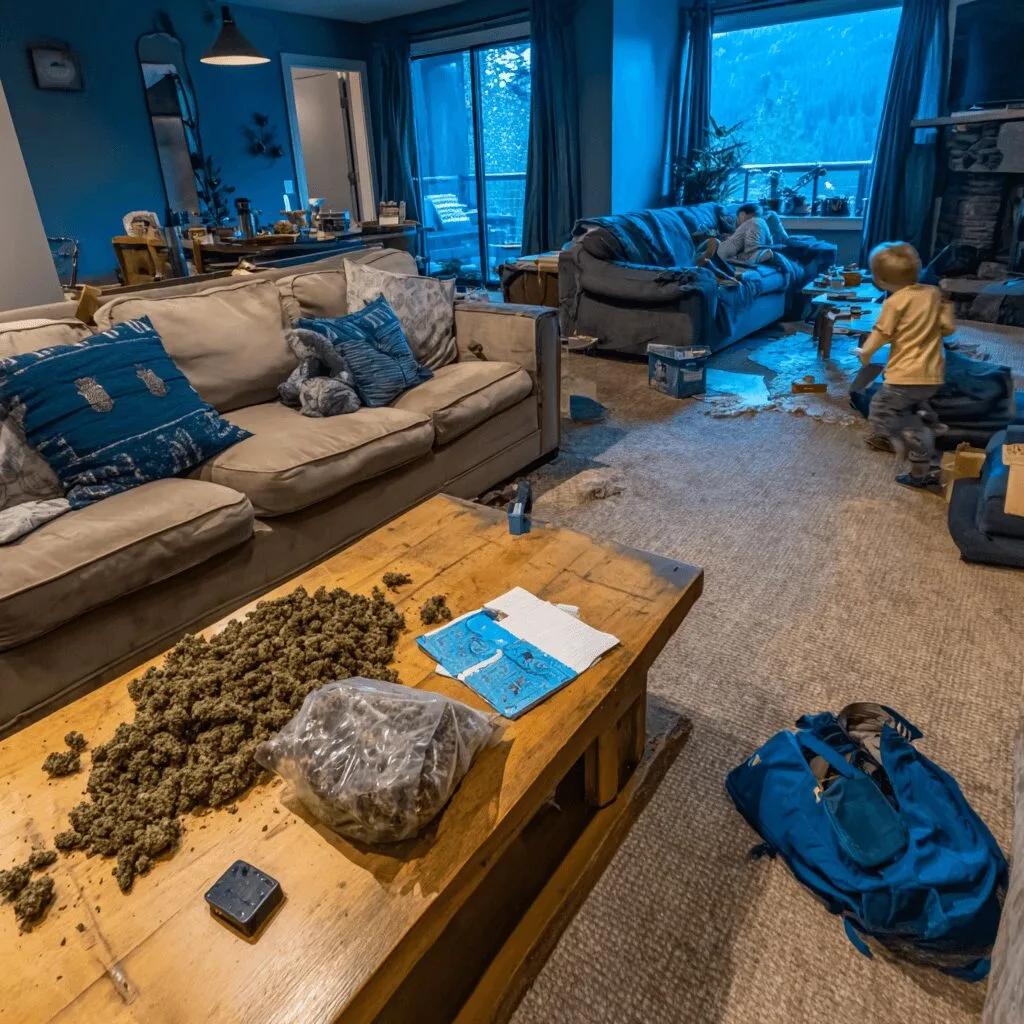
On December 20, 2025, authorities in Savannah, Georgia made headlines after charging five adults in connection with a disturbing case of child meth marijuana exposure. According to original reporting from WTOC, a six-year-old girl tested positive for both methamphetamine and marijuana during a welfare check. Local law enforcement allege that the child was living in an environment where meth and marijuana were actively present. Police noted obvious signs of substance use throughout the residence. The five adults, including the girl’s mother, have been hit with multiple charges, among them cruelty to children, possession of controlled substances, and reckless conduct. Authorities conducted immediate medical intervention for the child, and the Department of Family and Children Services responded. These alarming circumstances have reignited state-level scrutiny much like recent efforts to revisit marijuana laws and criminalization, as illustrated by Ohio’s current efforts to roll back legal weed gains. The case has sparked intense reactions throughout the area, with many calling for stronger child-protection protocols in homes where any drugs, including legalized cannabis, are accessible to minors.
Expert Analysis & Industry Reflection
Let’s not sugarcoat it, any child meth marijuana exposure case is tragic. But context is everything. Cannabis industry leaders and harm-reduction experts stress that most legal cannabis users are extremely mindful of child safety, often storing products in locked containers and following clear labeling. As Leafly points out, “Preventing accidental ingestion starts at home, with education and storage being the first line of defense.” Dr. Ethan Russo, a renowned cannabinoid researcher, says, “Blaming cannabis alone misses the broader picture, we need comprehensive substance safety, not knee-jerk bans.” The core issue frequently lies in negligent or absent safety practices, rather than the mere presence of legal cannabis. Experiences from legal states like Colorado and California show accidental exposures drop when parents are properly informed, and laws require robust packaging and storage. Crucially, public debates that focus on youth mental health trends and commercial access reinforce the urgent need for responsible legalization, as discussed in a recent analysis on teen psychiatric impacts in the cannabis era. However, the media rarely distinguishes between lawful, responsible use and reckless behavior that puts children at risk. This amplifies stigma and can lead to rushed policies that overlook both harm reduction and context.
The Road Ahead: Safer Communities, Smarter Laws
While the “child meth marijuana exposure” case in Savannah is a wake-up call, it’s also a chance to strengthen both accountability and education within the cannabis space. The industry continues to advocate for science-driven consumer safety, expanded child-resistance requirements, and accessible public health information—much like you’d expect from any responsible sector. Organizations such as NORML and various public health agencies actively research and promote best practices for coexistence between legalization and child safety. As cannabis maturity grows, so too does the industry’s commitment to being part of the solution, not the problem. Moving forward, open-minded regulatory tweaks, stronger family resources, and community-led awareness will all help prevent future tragedies—without undermining the progress made in cannabis normalization, medical access, and entrepreneurial growth. In short: we all have a role to play in keeping our most vulnerable citizens safe while championing responsible cannabis culture that reflects empathy, expertise, and evolving social values.
Originally reported by: wtoc.com