


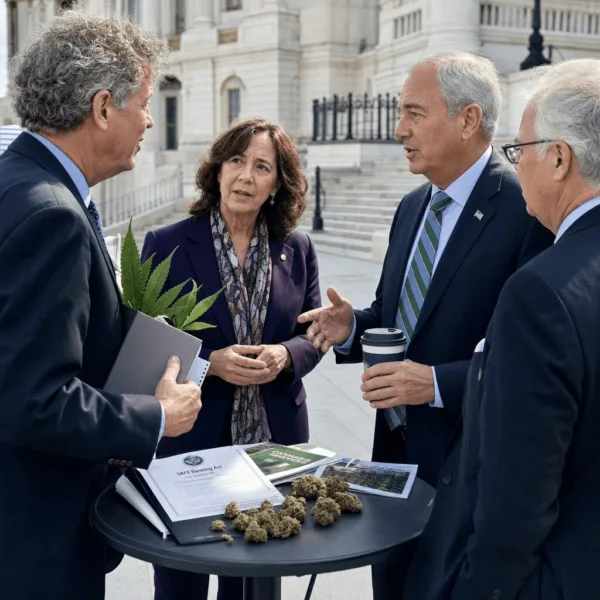



Tennessee marijuana law impact: What could change for you?
Let’s talk about something that’s on everyone’s lips in the Volunteer State: the Tennessee marijuana law impact. Fresh moves on the federal level and local decisions could shake things up for medical patients, everyday citizens, and social reform fans alike. With legalization debates heating up and cannabis laws facing a potential reclassification, now is the perfect time to unpack what’s happening, what it means for Tennessee, and why you should care.
Background: How We Got Here on the Tennessee Marijuana Law Impact
Understanding the Tennessee marijuana law impact starts by recognizing our unique legal territory. For years, Tennessee has held onto some of the Southeast’s strictest cannabis laws, with US News repeatedly ranking Tennessee among the most conservative on this front. Recreational use remains illegal, and even medical use is heavily restricted, limited mostly to low-THC products and narrow qualifying conditions. Meanwhile, national cannabis culture is shifting: over 37 states now offer some form of legal medical marijuana, and most Americans, according to Pew Research Center, back legalization. The disconnect between federal debates, neighbor-state reform, and Tennessee’s hardline approach makes this moment important. Neighboring policy shifts (as seen in Missouri cannabis rescheduling) also fuel the need for clarity on the Tennessee marijuana law impact as potential reforms grab headlines.
Key Developments & Issues: What Recently Changed in Tennessee Marijuana Law
So, what’s new on the Tennessee marijuana law impact radar? Fresh buzz came after the White House announced in late 2024 a push to reclassify marijuana at the federal level. According to The Tennessean, these moves spurred debate among legislators and the Tennessee Department of Health over whether state-level cannabis restrictions should stand. Several state lawmakers, including those on the House Health Committee, promptly filed bills for the 2025 session to clarify licensing, dispensary oversight, and patient protections should federal policy shift, raising questions about how reclassification could change everything for Tennessee.
Key highlights:
- December 2024: The federal government signals support for moving cannabis from Schedule I to Schedule III, no longer seeing it as among the most dangerous substances, but still under prescription-only rules. This shift in scheduling marks a significant federal policy moment.
- December 2025: Tennessee’s legislative session kicks off with new proposals to update the state’s cannabis ban should national changes pass.
- Proposed: A task force to research impacts on patient access, law enforcement, and the broader economy, as reported by The Tennessean. Such research is critical as other states like Virginia look ahead at the future impact of federal rescheduling.
While no bills have yet advanced to the governor’s desk, the Tennessee marijuana law impact debate is already alive in legislative halls, public forums, and, let’s be real, plenty of Tennessean living rooms.
Expert Analysis & Pro-Cannabis Counterpoints: How This Matters for the Industry
Let’s not sugarcoat it, the Tennessee marijuana law impact is a classic southern story of tradition versus change, but the winds are starting to shift. Tennessee’s resistance contrasts starkly with states like Illinois and Colorado, where comprehensive medical and adult-use laws have brought new jobs, tax revenue, and reduced legal inequities. National industry data, as published by Leafly News, shows mature markets experience fewer opioid-related deaths and a boom in local economies once moderated cannabis use becomes the rule. For business leaders concerned about navigating evolving regulations, updated guidance on cannabis workplace policies is increasingly relevant.
Industry analyst Dr. Tia Borden, quoted in Marijuana Moment, puts it plainly: “The Tennessee marijuana law impact will be immense. Reclassification could open up research, reduce stigma, and mean real relief for patients across the state.” She adds that states waiting on federal input risk being left behind in innovation and economic opportunity. For those wanting deeper insights, an excellent resource is this overview of how recent rescheduling changes are shaping legalization for everyday consumers. The Tennessee medical community remains divided: some health policy leaders call for more research while advocates argue that years of data from other states already prove the benefits and safety. The Tennessee marijuana law impact ultimately hinges on whether patient rights and economic opportunity can outpace old stigmas. And let’s face it, when Nashville’s own business leaders and faith organizations start lobbying for reform, you know the tide is turning.
Future Outlook & Conclusion: Optimism in the Age of Tennessee Marijuana Law Impact
Here’s the vibe: The Tennessee marijuana law impact debate is far from over, but momentum is building. Every year, lawmakers are under more pressure from voters, medical professionals, and entrepreneurs to modernize state rules. National advocacy groups, such as NORML, project that social acceptance and regulatory clarity will only increase—with or without rapid federal change. As more Tennesseans see success stories from friends and neighbors in reform states, grassroots support is growing.
If Tennessee embraces a thoughtful approach—balancing public health with freedom and modern economics—the next few years could be historic for cannabis reform. Whether you’re seeking relief, opportunities, or simply a more just society, keep your eyes on this space. The Tennessee marijuana law impact will shape the future, one legislative session and heartfelt debate at a time.
Originally reported by: tennessean.com


1 Comment
Pingback: Trump marijuana executive order: What does it mean for legalization?