





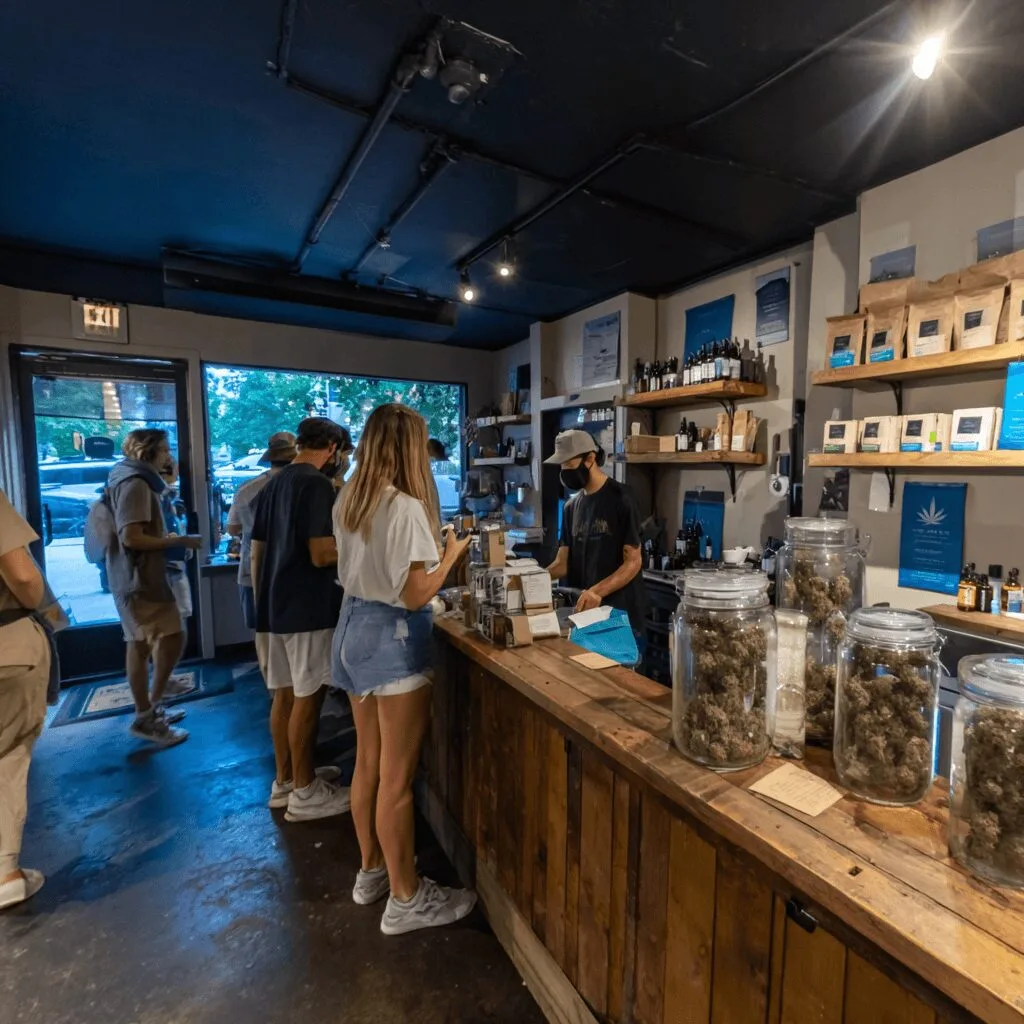
Texas hemp THC restrictions: What they mean for local business
It’s wild times in the Texas cannabis scene right now. The recent rollout of Texas hemp THC restrictions has created a ton of buzz—and more than a little anxiety—for everyone from small hemp shop owners to everyday consumers. With lawmakers tightening the rules and the future of infused gummies, oils, and vapes on the line, this issue hits close to home for Texas businesses and their loyal customers. In this article, I’ll break down exactly what’s sparking this latest firestorm, how the new laws rewrite the rules, and what these changes really mean for our community. Buckle up, because the story behind Texas hemp THC restrictions is more than just legal fine print—it’s about livelihoods, freedom, and the soul of our local cannabis culture.
Understanding Texas Hemp THC Restrictions: Regulatory and Social Backdrop
To really get the vibe on Texas hemp THC restrictions, you need to see the whole chessboard. Back in 2019, Texas made a big move by legalizing hemp and products containing up to 0.3% Delta-9 THC, following the signing of House Bill 1325. This was in step with the FDA’s guidance and the federal 2018 Farm Bill (USDA), which redefined hemp as different from marijuana. That opened doors for CBD shops and hemp-infused products to pop up almost overnight in cities from Houston to Lubbock.
But the rapid growth spurred political pushback. With cannabis still illegal for most Texans, lawmakers, regulators, and even some health officials grew concerned over loopholes that made potent hemp-derived THC isomers—like Delta-8, Delta-10, and HHC—widely accessible. The Texas Department of State Health Services (DSHS) and the state legislature both started scrutinizing novel cannabinoids and high-THC hemp products more aggressively, citing public health and safety worries. As the Texas Tribune reported, many saw these as workarounds that challenged the intent of initial legalization. This echoes what’s happening in other parts of the country, where similar debates (like the California cannabis tax controversies) shape the regulatory landscape.
All this has set the stage for the tougher Texas hemp THC restrictions rolling out today, aimed squarely at closing those so-called loopholes. From new lab testing standards to outright product bans, regulators are tightening the screws. Shops, and the culture, are on alert.
Key Developments: How Texas Hemp THC Restrictions Are Playing Out
Here’s what’s gone down. In spring 2024, the Texas Department of State Health Services (DSHS) began enforcing new rules sharply limiting the THC content allowed in hemp-derived products. According to KHOU News, these restrictions hit not just the classic Delta-9 THC, but also close the door on Delta-8, Delta-10, and other hemp-derived cannabinoids that had become local shop staples—representing a disruption reminiscent of the recent market swings in the cannabis industry due to regulatory changes.
- DSHS Rulemaking: DSHS officials clarified that all ingestible hemp products must now contain less than 0.3% total THC by dry weight, no tricks, no roundabout chemistry. The rule applies to nearly all edibles, vapes, and beverages, effective immediately.
- Legal Pushback: The Texas Hemp Growers Association and shops like Wild Hemp Botanicals and Bayou City Hemp have pushed back, filing legal challenges and seeking injunctions. As of late May 2024, a Travis County judge denied a temporary injunction, allowing the rules to remain in place while lawsuits progress (KHOU).
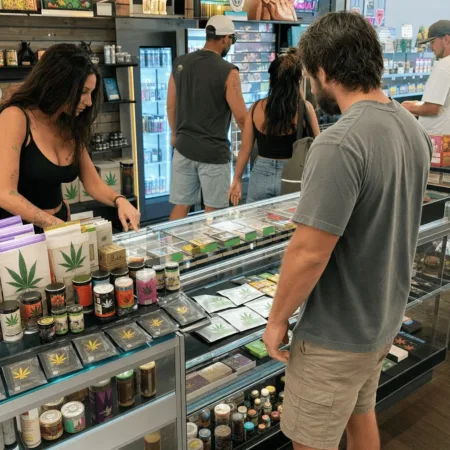
- Market Impact: More than 2,000 hemp retailers statewide are impacted. Some have cleared shelves of Delta-8 gummies, vape cartridges, and beverages, while others now face possible raids or citations if they refuse to comply. In other regions with rapid regulatory shifts, business owners have needed to adapt quickly, as seen in the Minnesota retail cannabis transformation.
- Enforcement Efforts: DSHS inspectors and local law enforcement have begun regular sweeps, checking for products above new THC limits and verifying lab test reports on-site, as confirmed by Texas Monthly.
All this means Texas hemp THC restrictions have hit the industry like a cold front. Shops scramble, lawyers argue, and consumers watch as familiar favorites vanish or change formulas overnight.
Expert Analysis and Pro-Cannabis Counterpoints
Let’s get real: The biggest shakeup from these Texas hemp THC restrictions is the sudden uncertainty now faced by both small business owners and consumers. To some, it feels like regulatory whiplash. According to Leafly, Texas’ evolving stance toward minor cannabinoids isn’t unique, but its rapid enforcement and lack of broader adult-use legalization put local shops in an especially tough spot. Recent findings about how cannabinoids affect the body, including implications for heart health, have also fueled ongoing debate and discussion, highlighted in recent cannabis health research.
Here’s what industry insiders are saying:
- Many argue these Texas hemp THC restrictions punish responsible shops and honest consumers far more than bad actors. As MJBizDaily reports, legitimate businesses meticulously test products and educate buyers, but risk closure all the same.
- Restrictions could fuel unregulated gray markets rather than ensure safety, since demand doesn’t disappear just because products do. “Sudden crackdowns don’t protect consumers, they just push business underground,” notes Mary Bailey, managing editor at The Emerald magazine.
- Other states have set sensible precedence, with regulators focusing on transparency, childproof packaging, and strict lab testing rather than outright bans. Cannabis advocacy groups like NORML continue to urge Texas to prioritize education, not prohibition, to address concerns while preserving access and innovation. The way retailers and patients in other regions navigate sudden restrictions on cannabis products has parallels to Texas, as seen in similar regulatory and patient advocacy stories such as those on therapeutic cannabinoid use.
The broader cannabis community remains hopeful that more balanced approaches can emerge. As Kat Merryfield, founder of Kat’s Naturals, recently told Forbes: “Hemp products and their new cannabinoids can offer a safe, affordable alternative, if allowed to operate above board and responsibly.”
The Road Ahead: Adapting to Texas Hemp THC Restrictions
Here’s the bottom line—Texas hemp THC restrictions are shaking things up. But even as shops and advocates face headwinds, there’s optimism in the air. History shows that cannabis culture is resilient, finding creative ways to adapt and innovate. Industry data from Cannabis Business Times confirms demand for safe, legal cannabinoid products isn’t fading—if anything, public support is hitting new highs.
We’re in a crucial transition. With ongoing court battles, open-minded policymakers, and a loyal customer base, Texas’ cannabis future remains unwritten. Whether through advocacy, smart compromise, or fresh product innovation, there’s hope these latest Texas hemp THC restrictions spark better dialogue about what safe, responsible access truly looks like. As the story unfolds, one thing’s clear: the Texas hemp community isn’t rolling over anytime soon.
Originally reported by: khou.com
2 Comments
Pingback: Federal THC Hemp Restrictions: What Texas Businesses Must Know
Pingback: Marijuana Rescheduling Impact Trucking: What Every Driver Must Know